

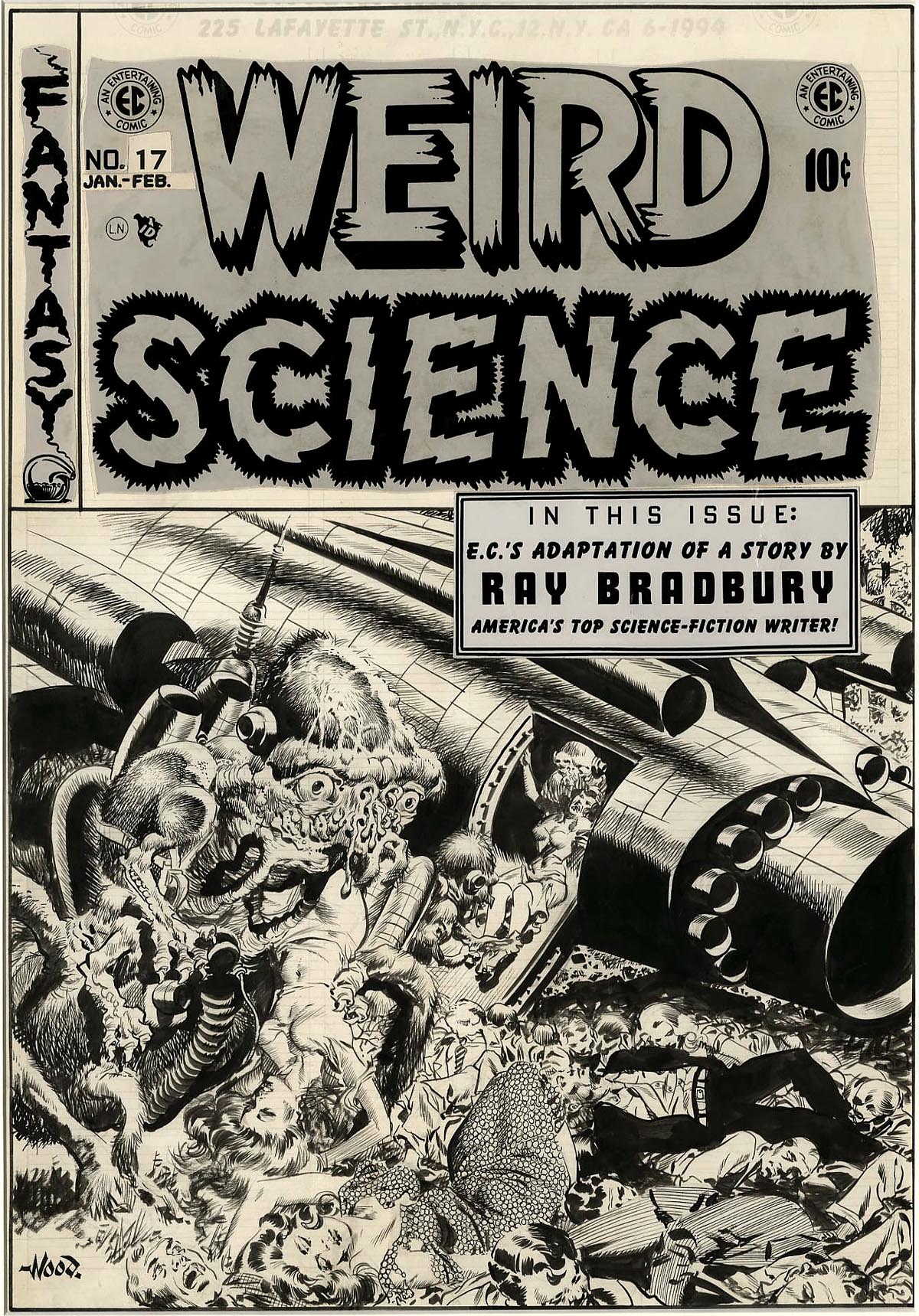
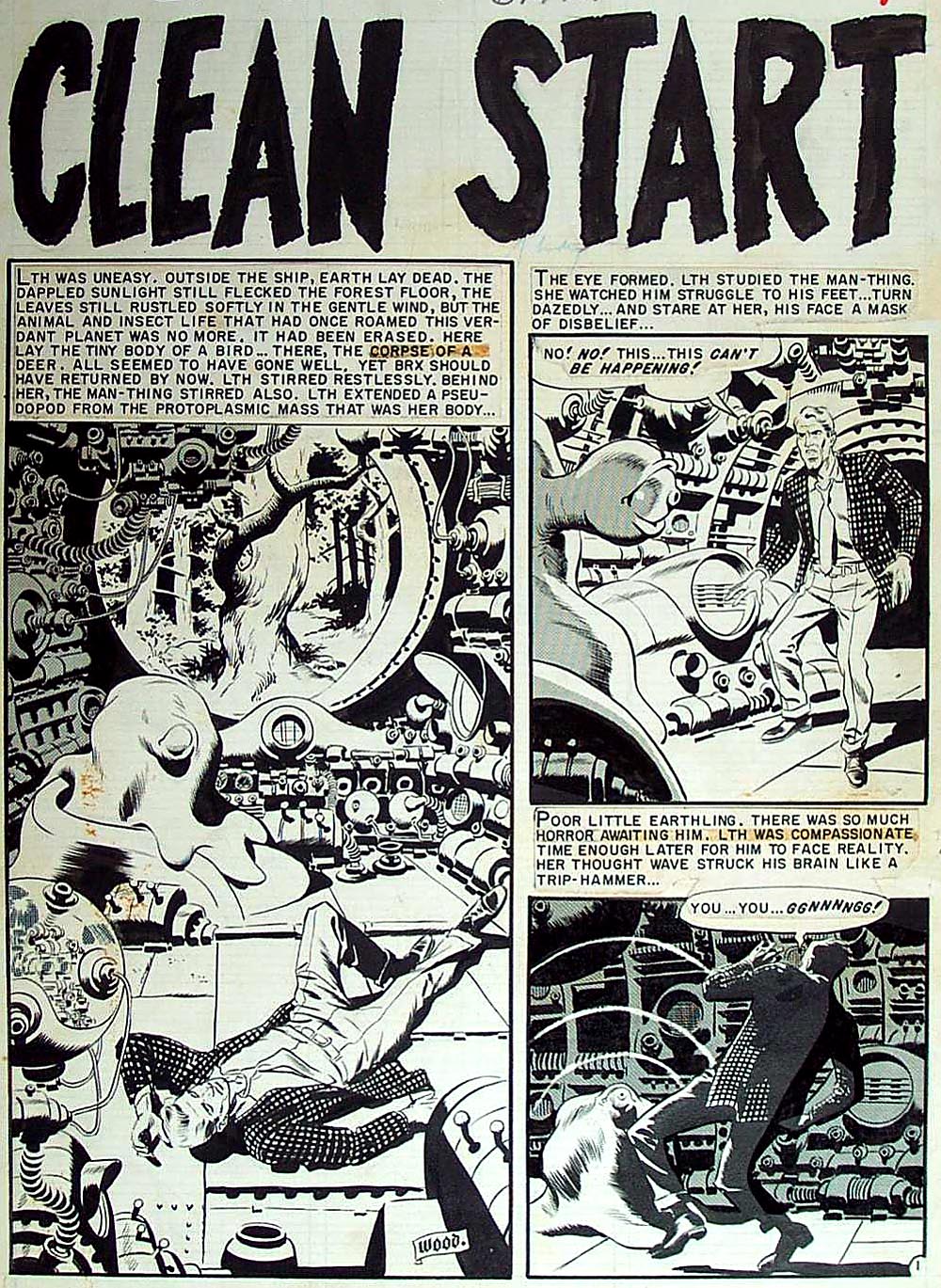
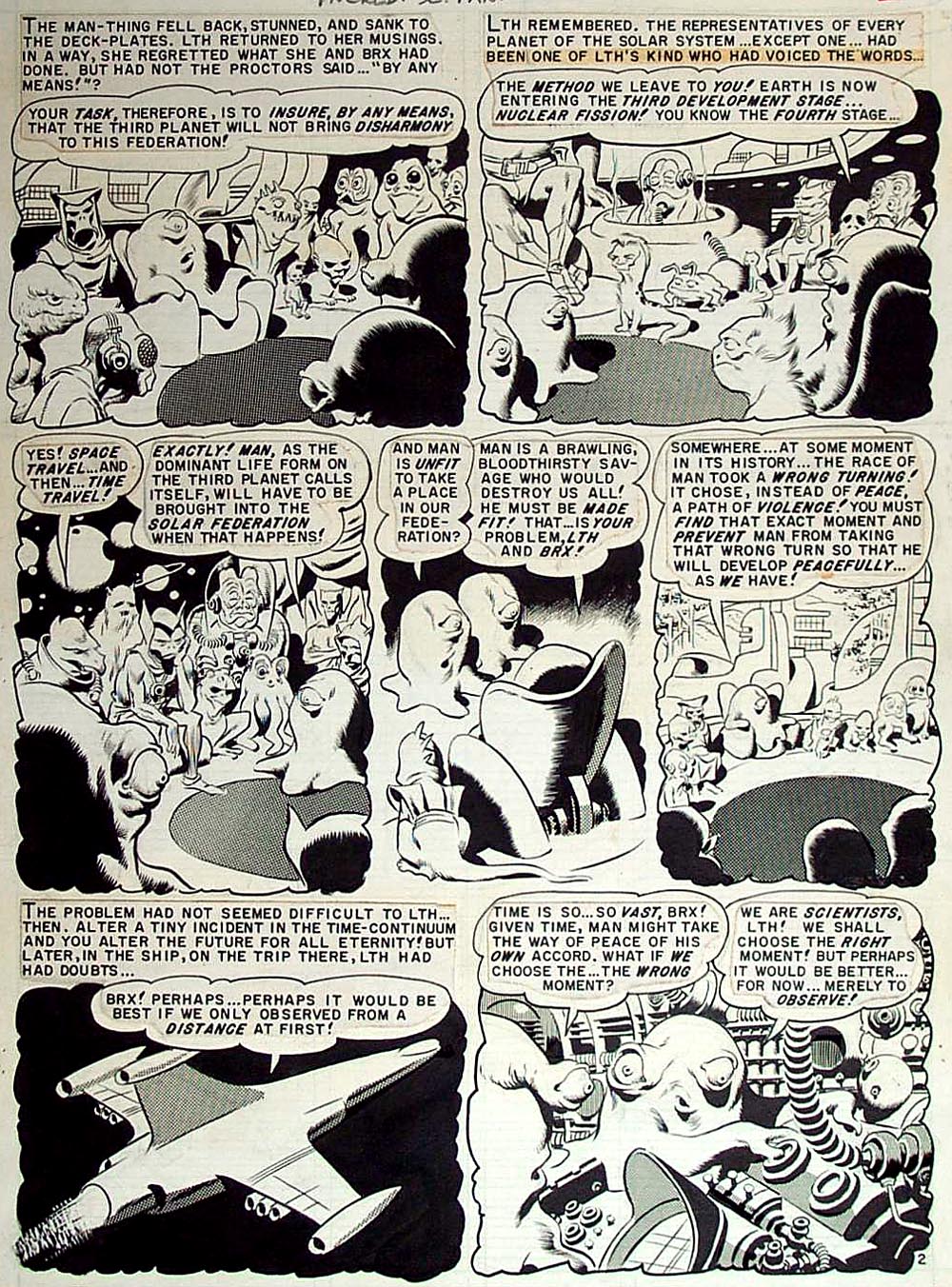
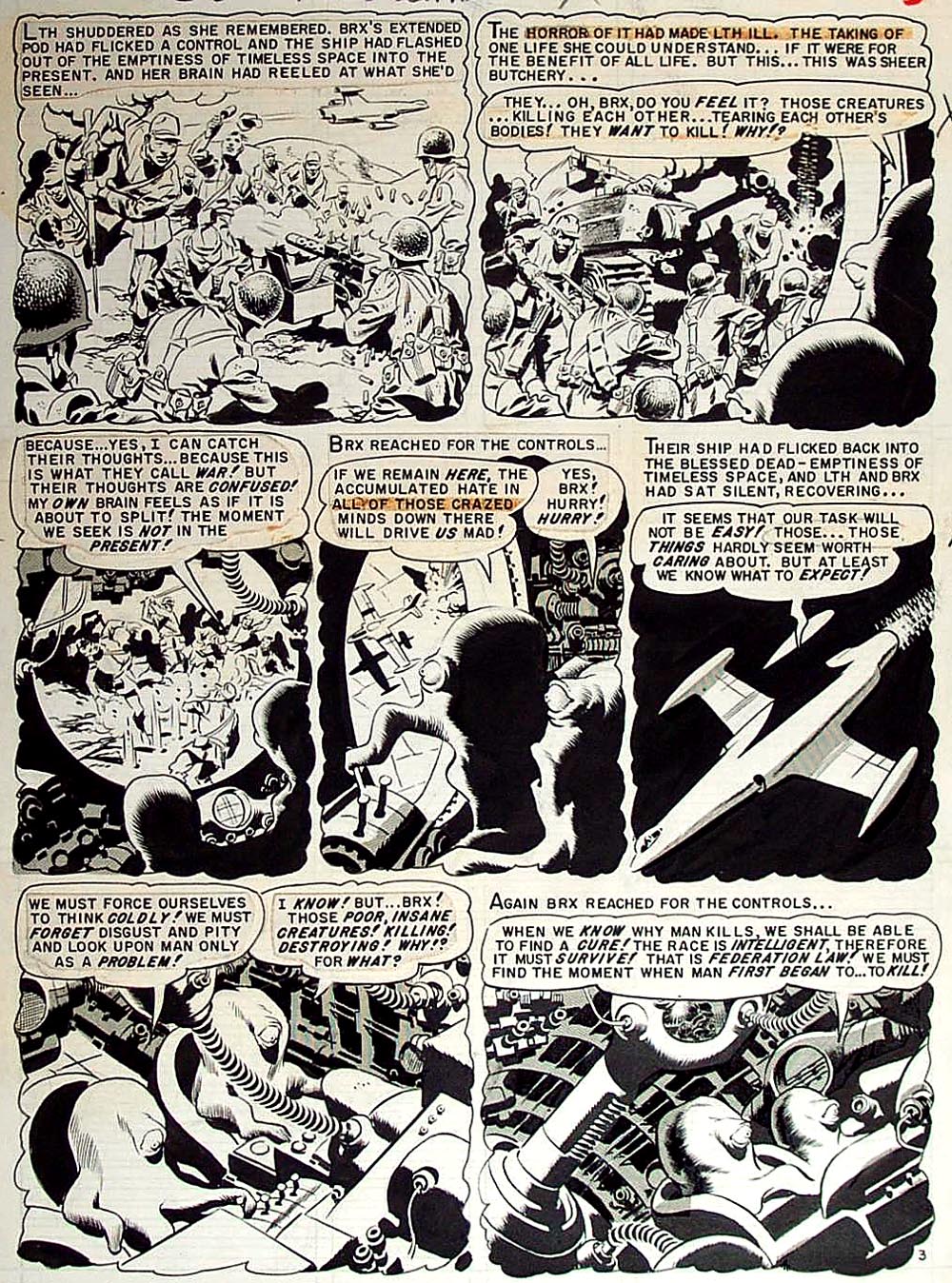
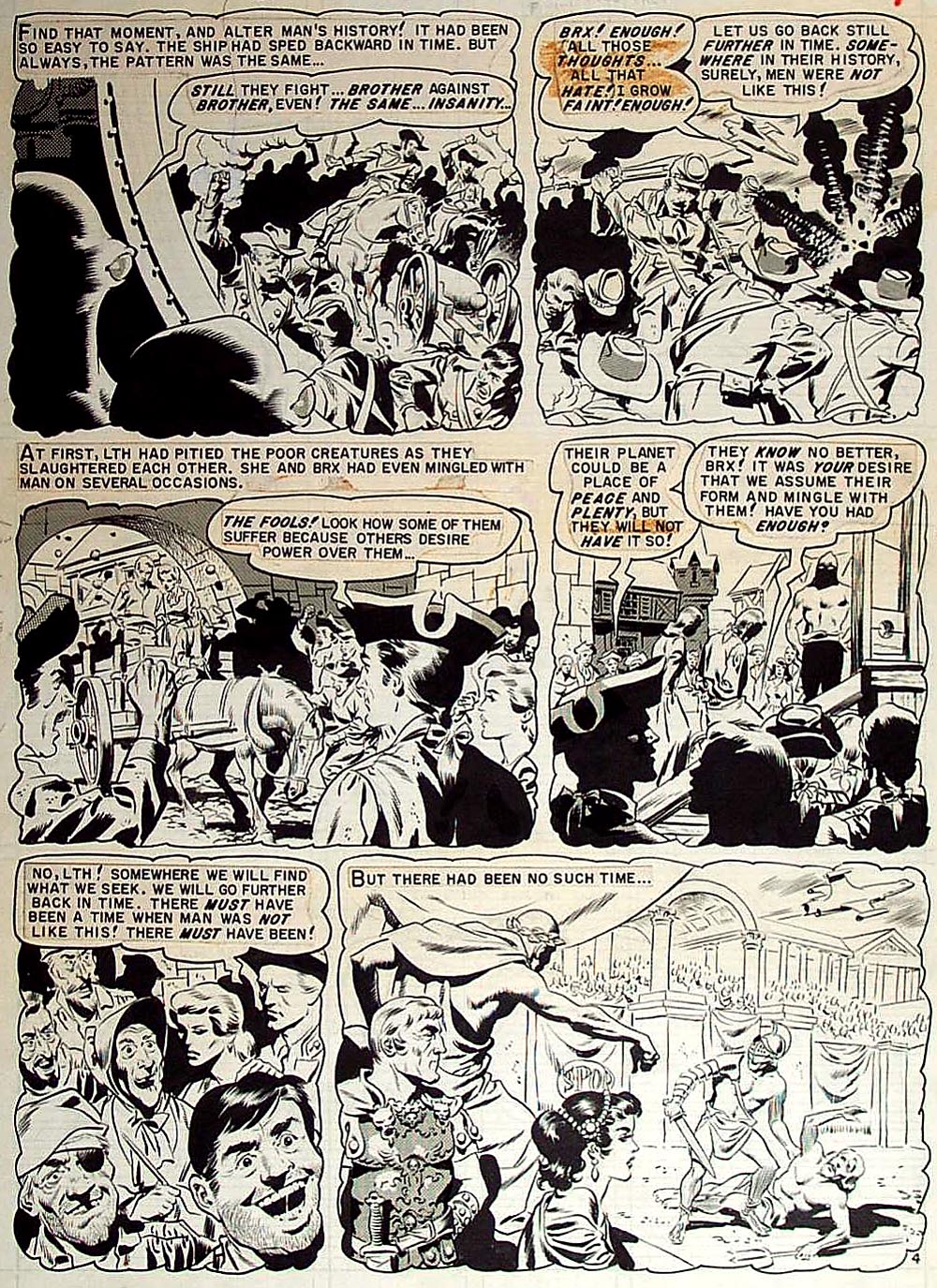
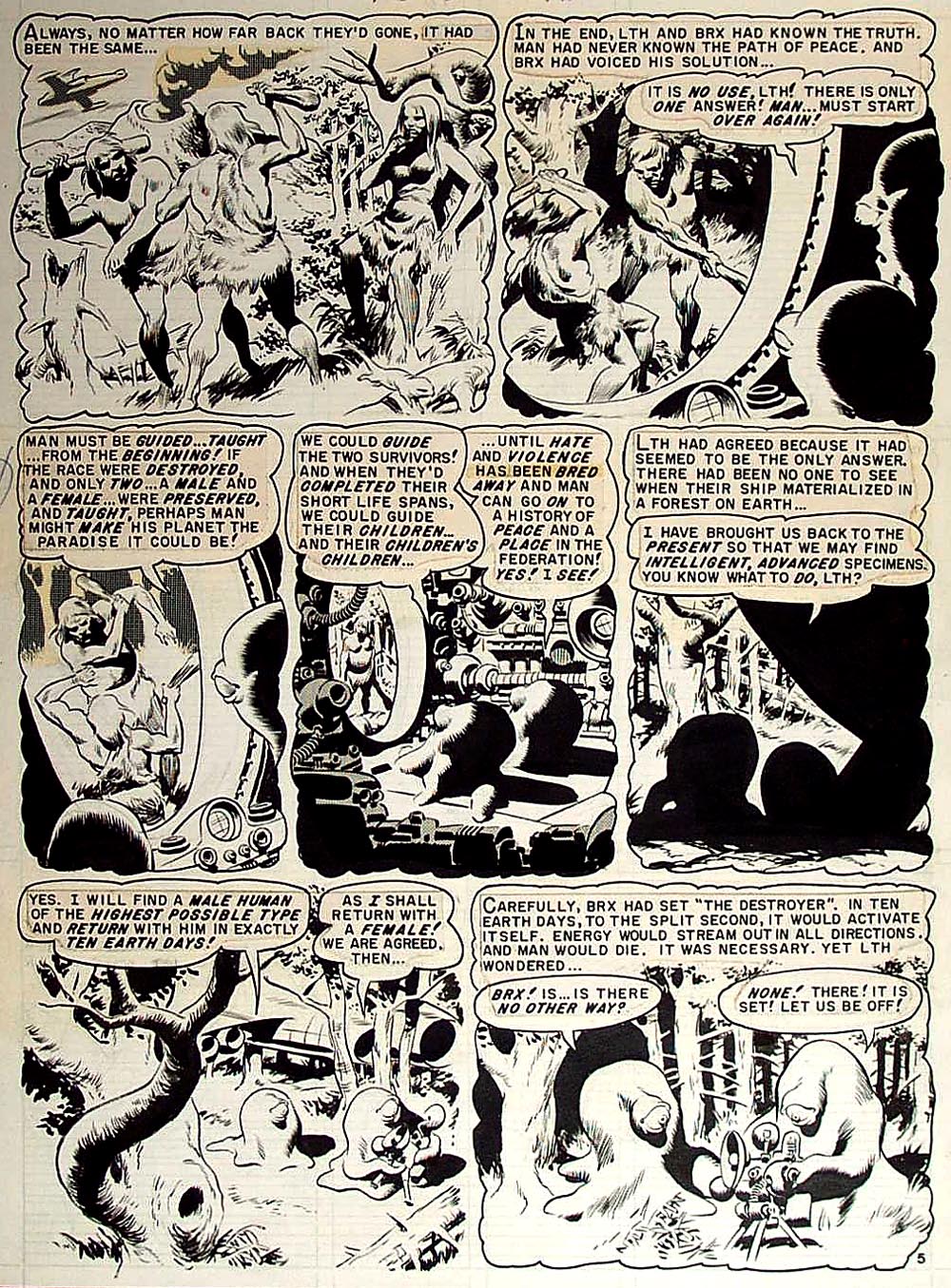
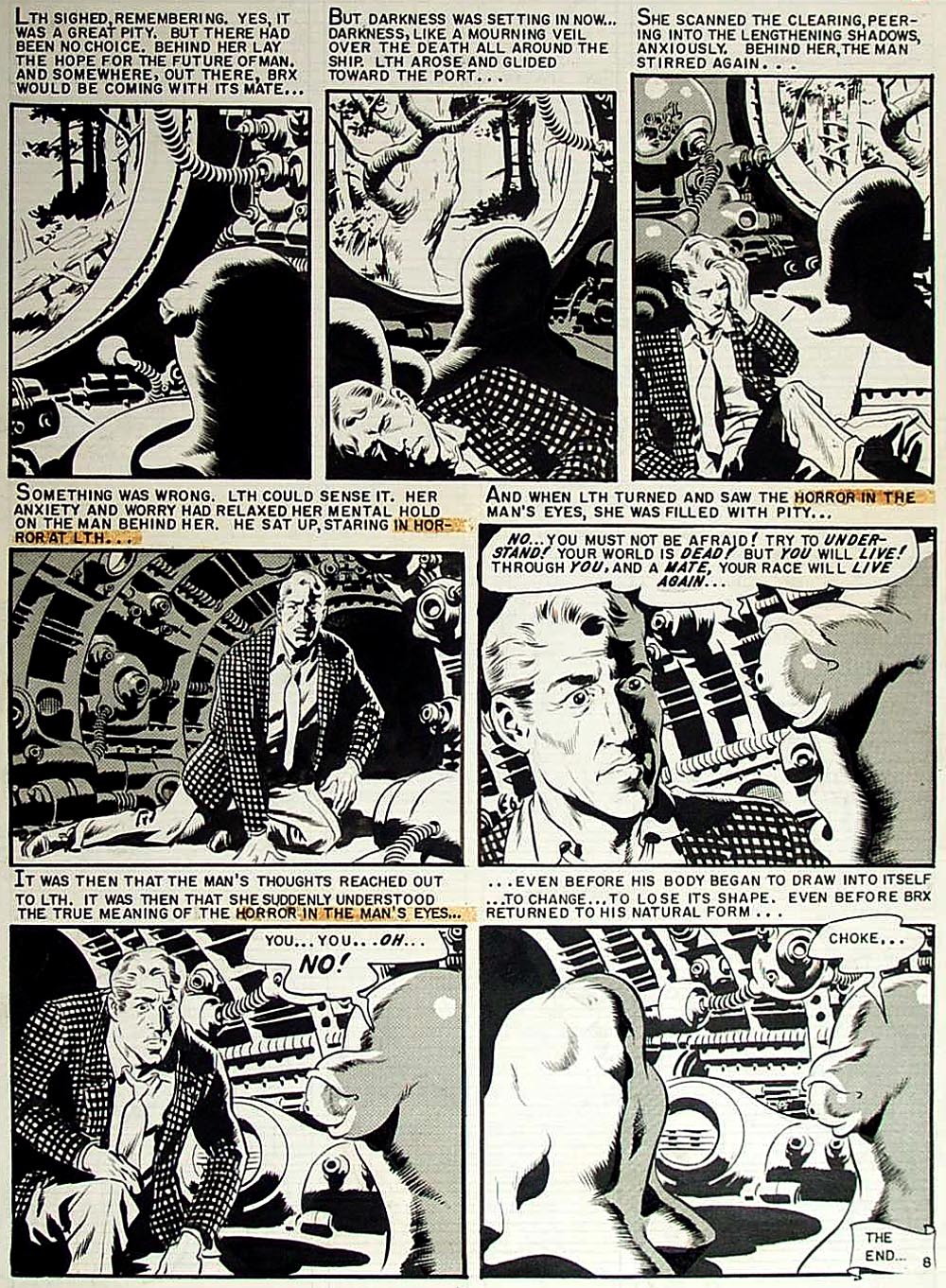
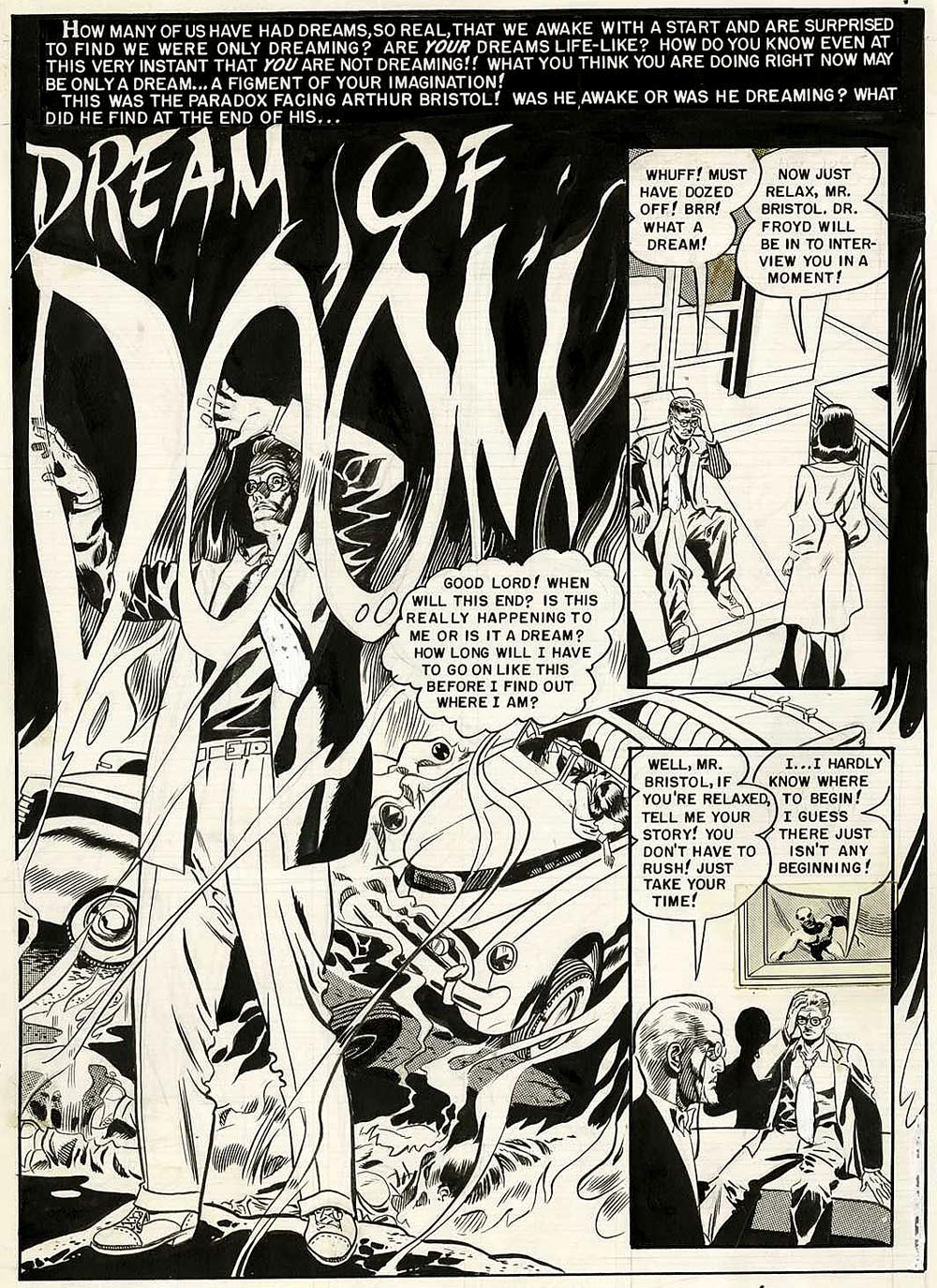
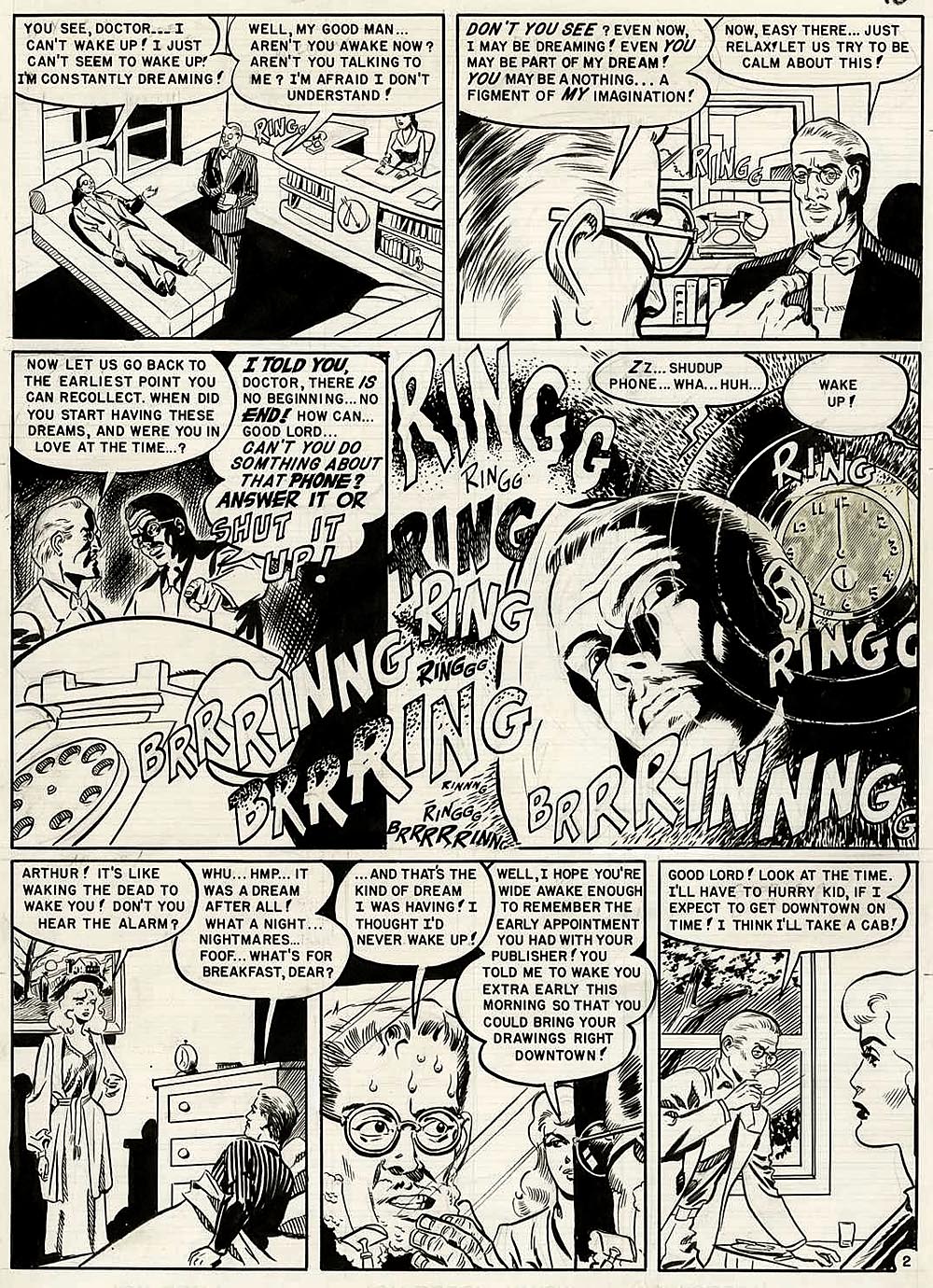
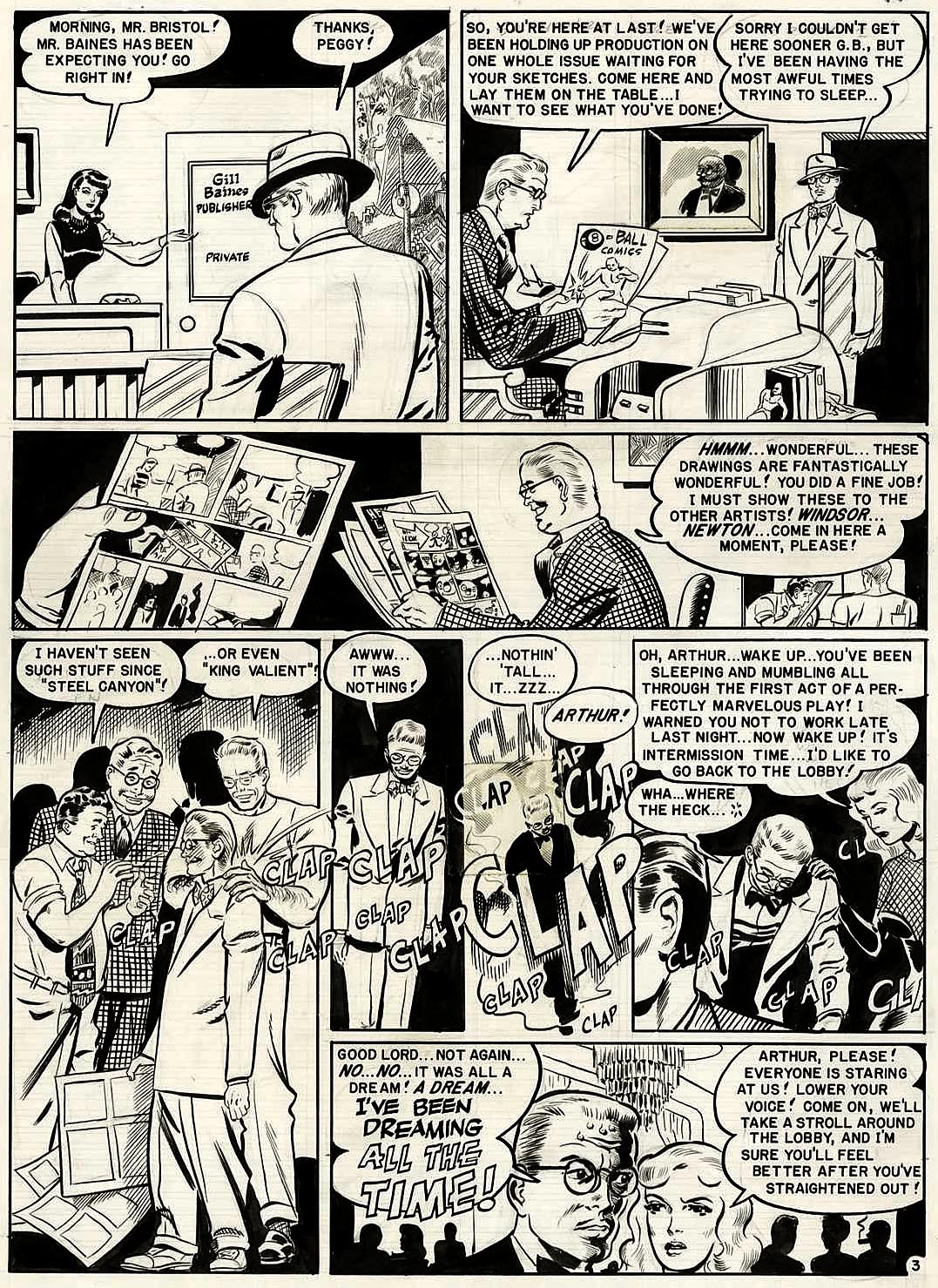
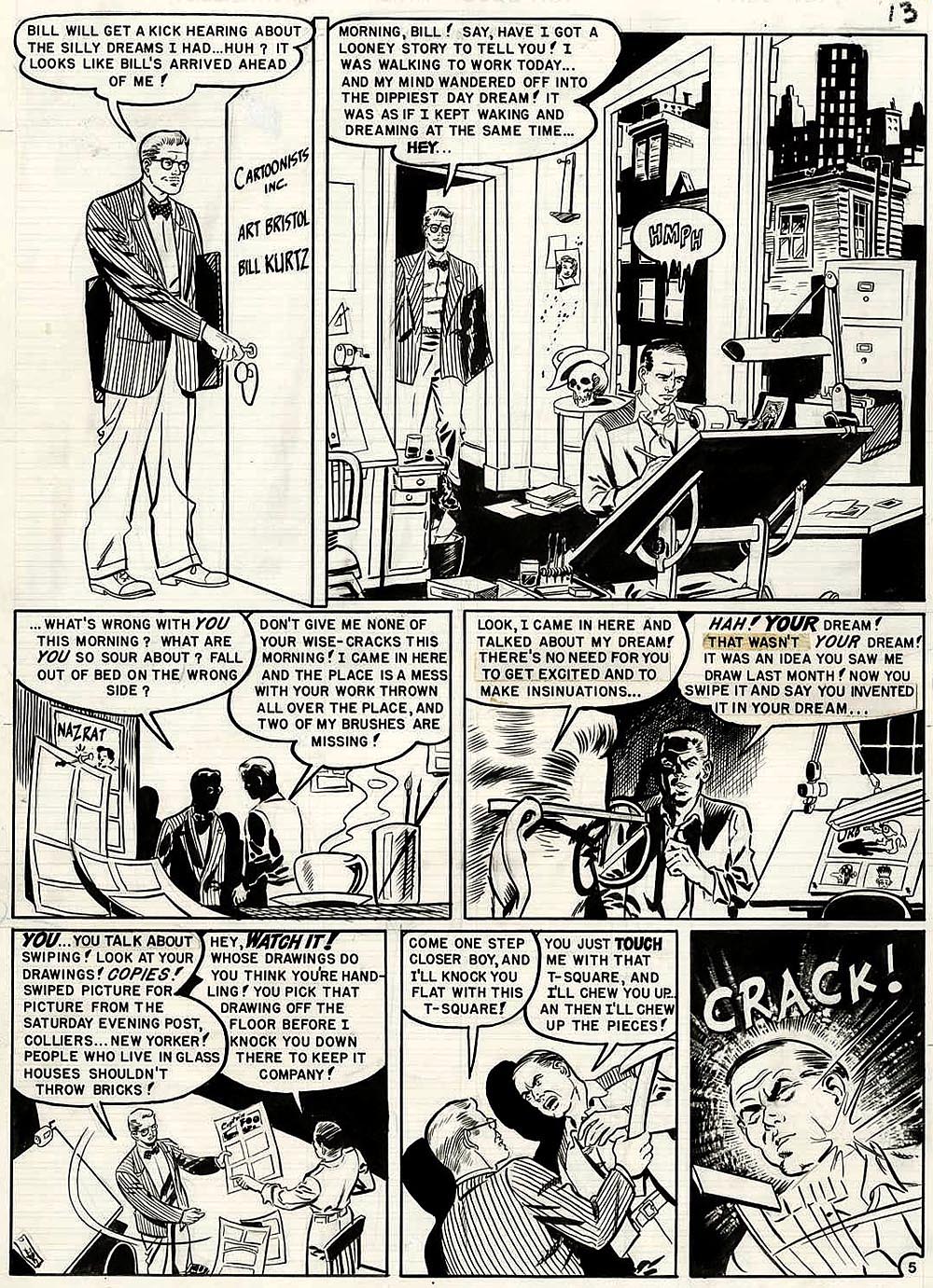
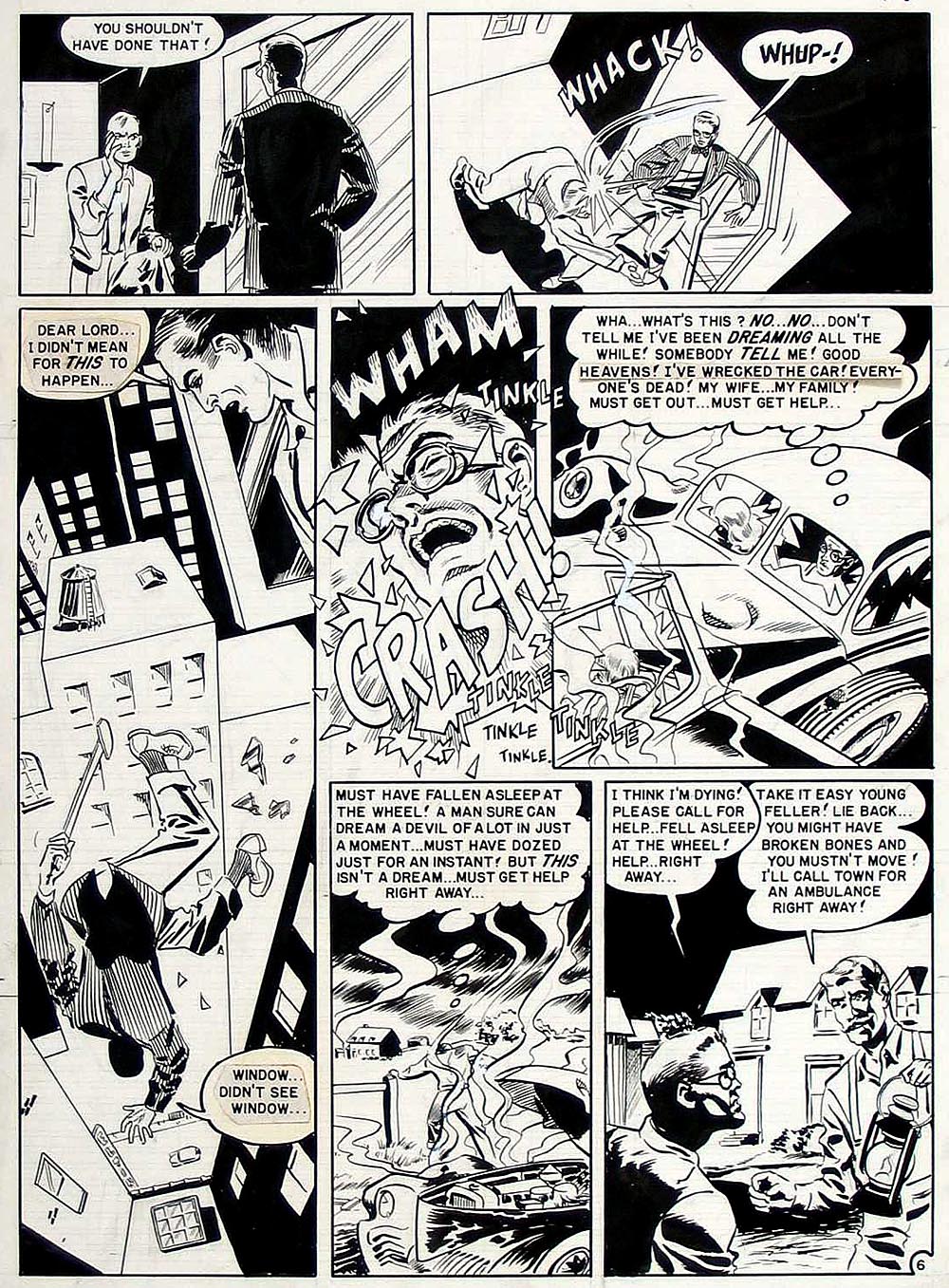
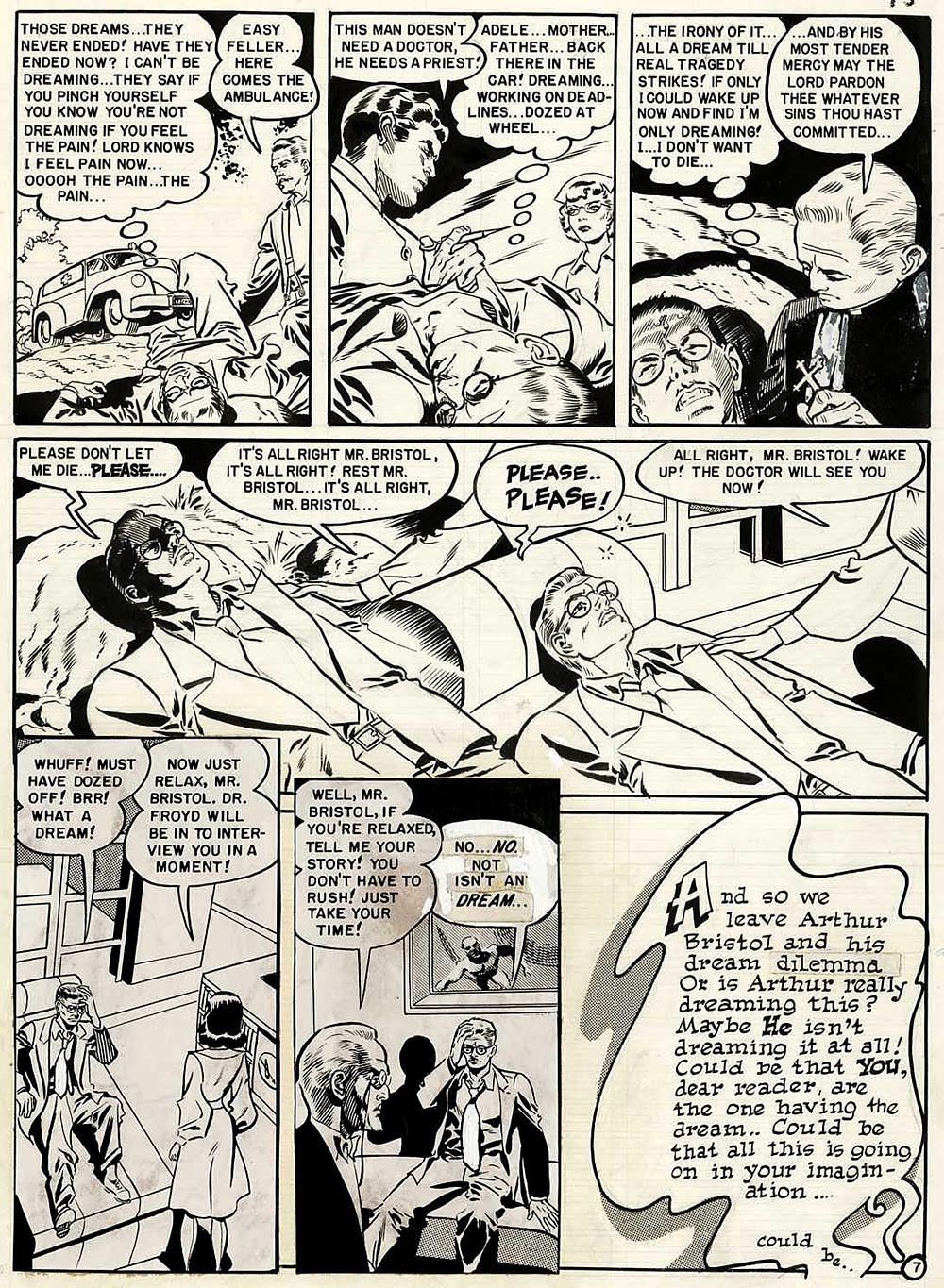
In 1950, Wally Wood convinced EC publisher William Gaines to create science fiction comic books. In Weird Science and Weird Fantasy (later combined into Weird Science Fantasy) Wood knocked the ball out of the park by pencilling and inking spectacular images that defined the way science fiction looked during the fifties.
During the 1970s, Wood’s health began to decline. He suffered from chronic headaches, alcoholism, kidney failure and strokes. The health problems led him to commit suicide in 1981. He left behind a legacy that will never be forgotten.
Here is a sampling of Wood’s work from around the net…

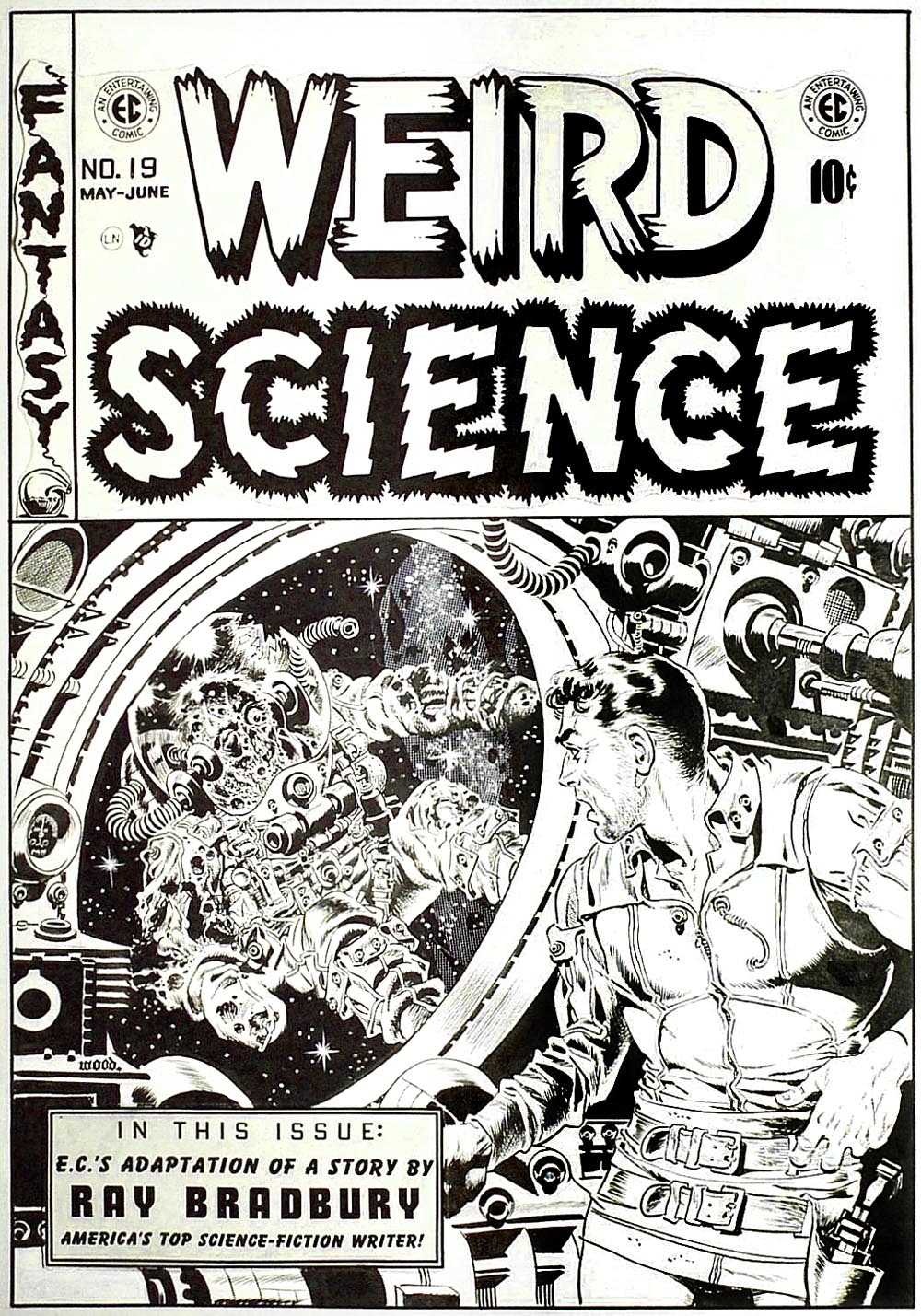
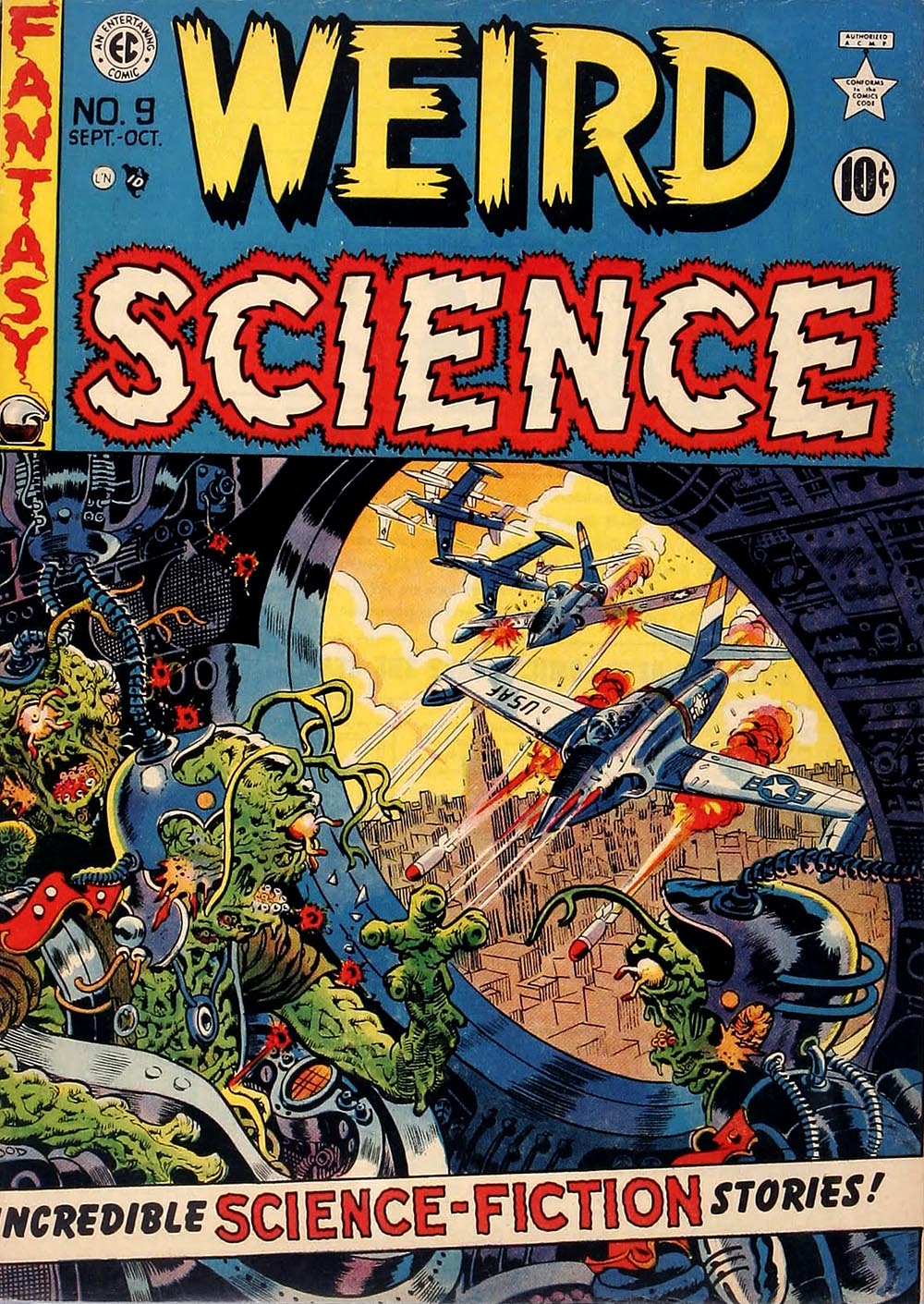
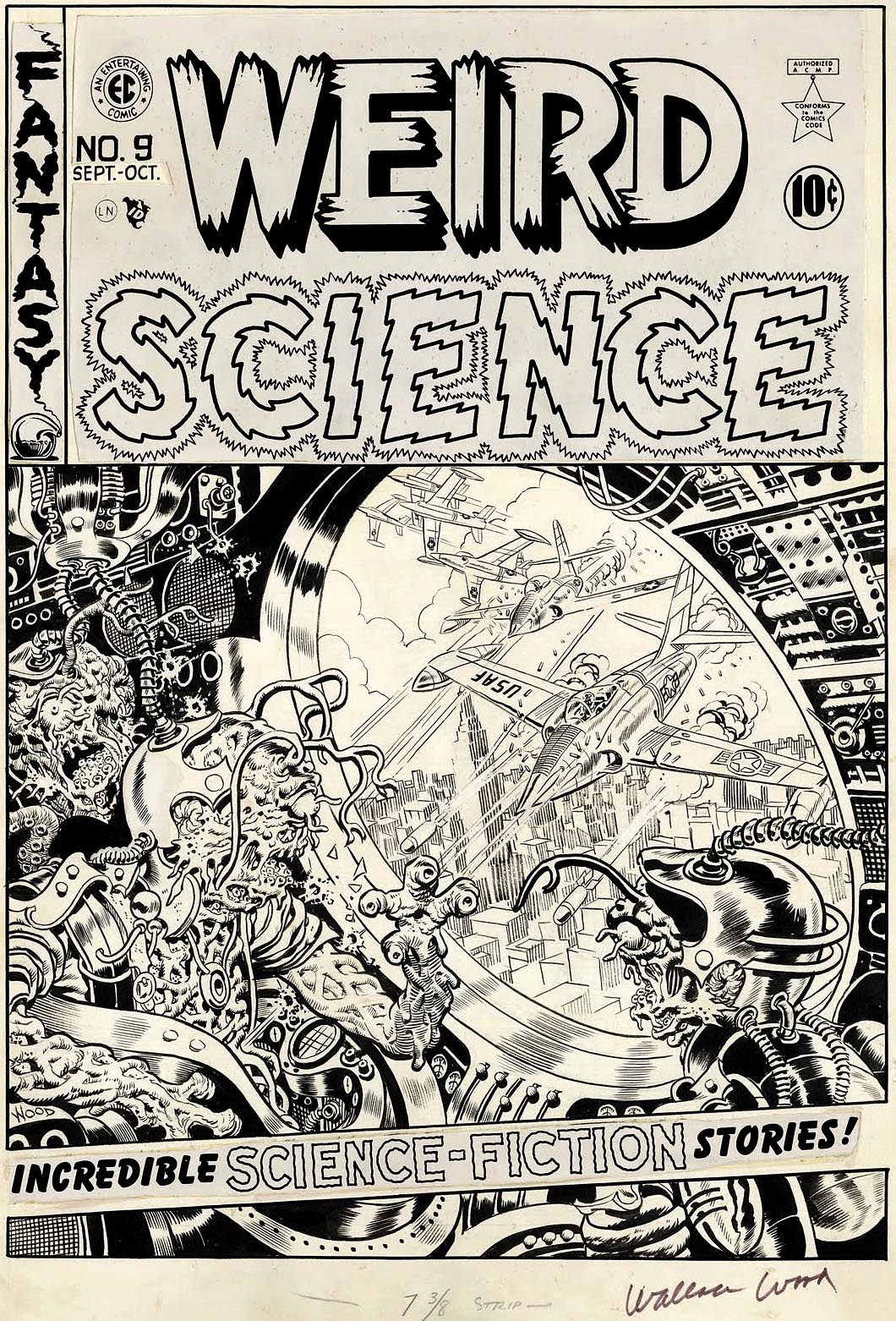

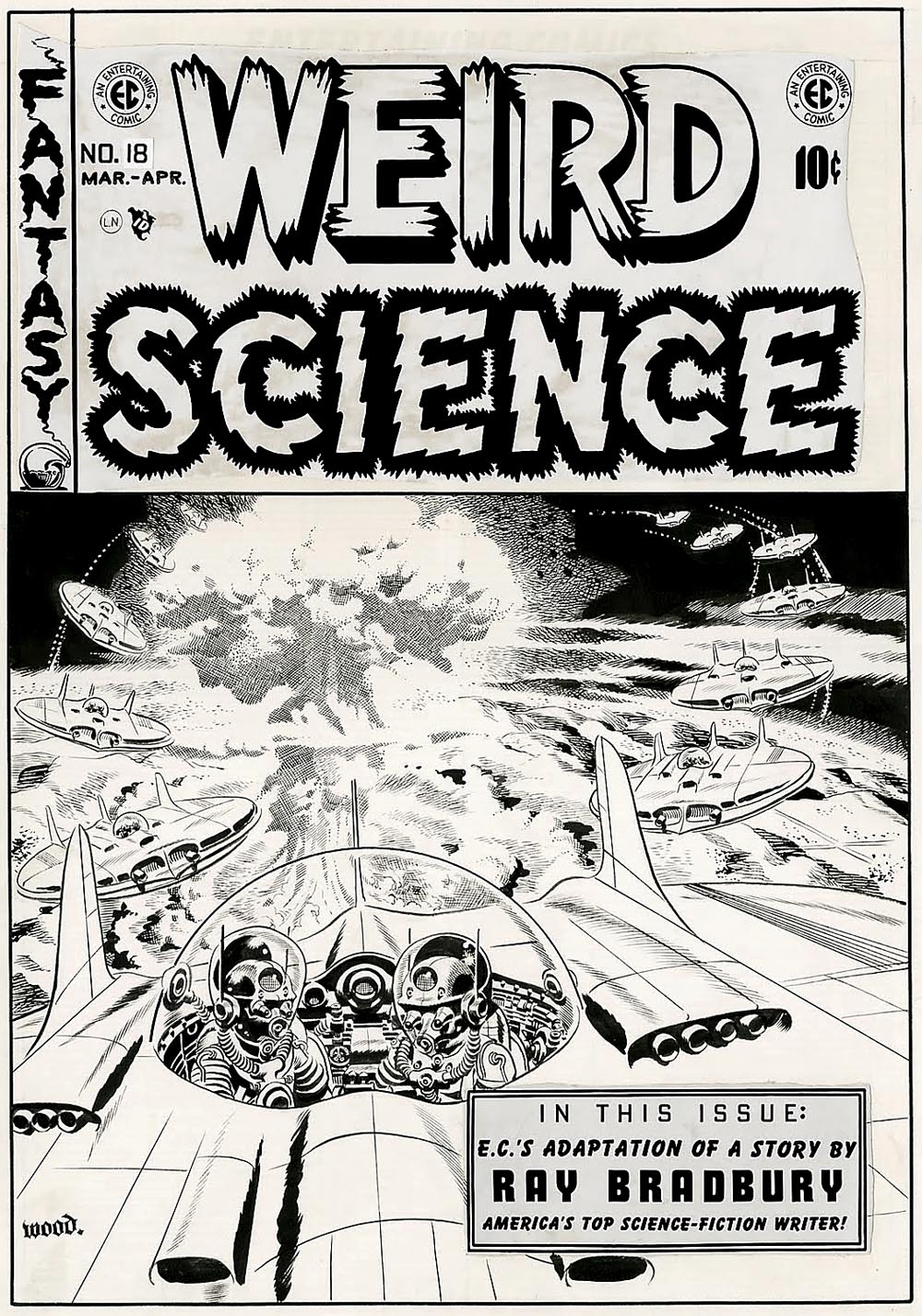
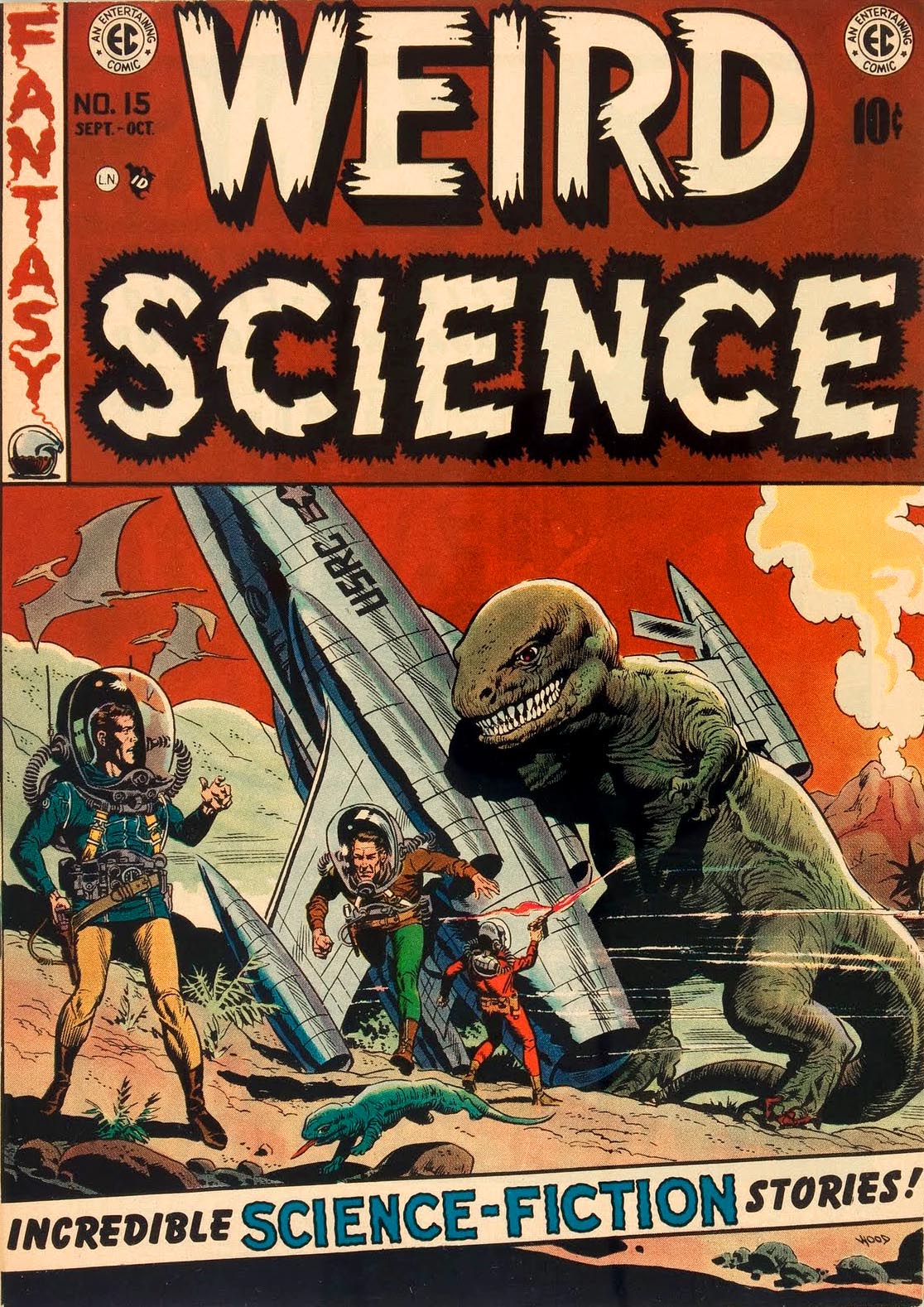
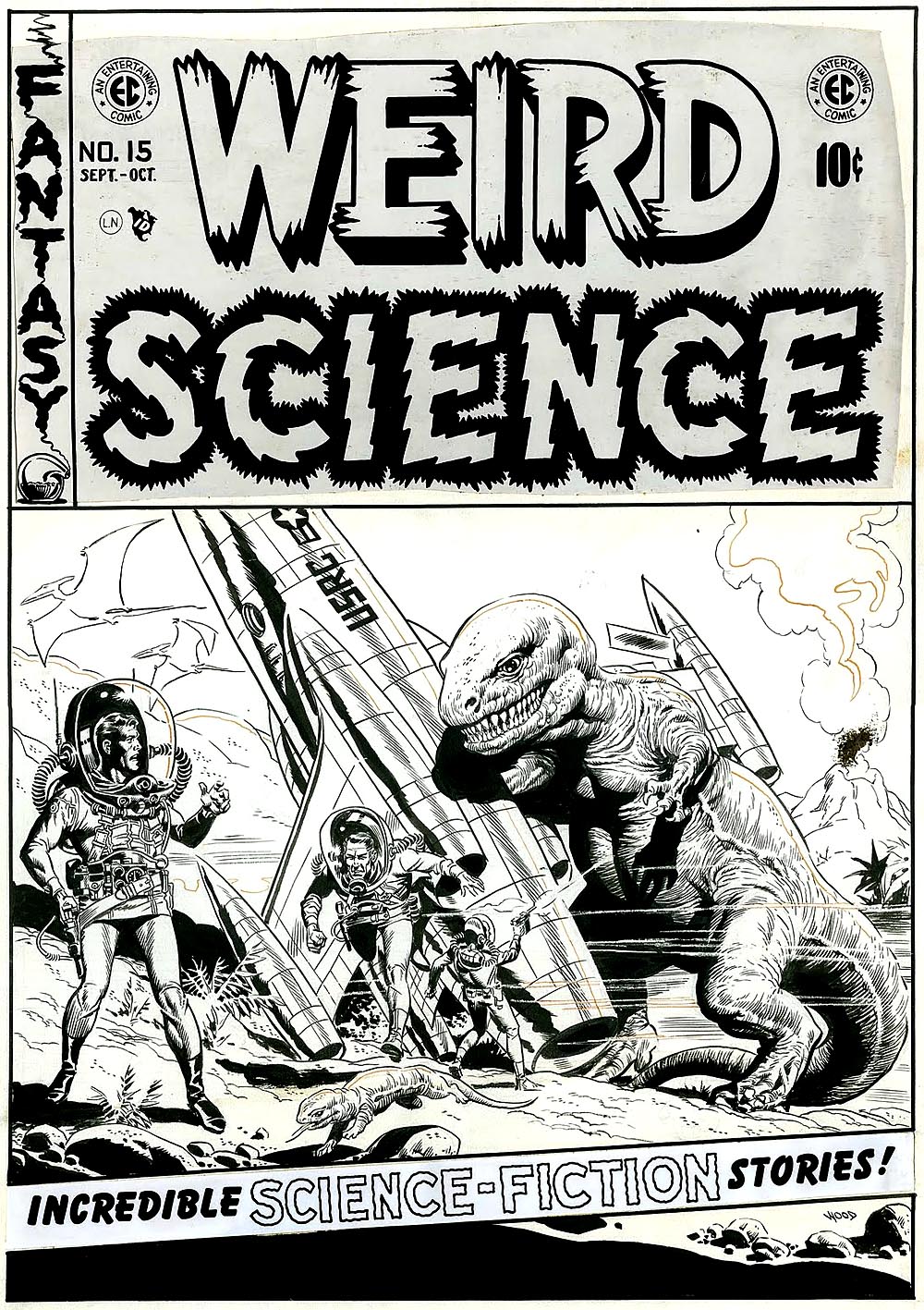
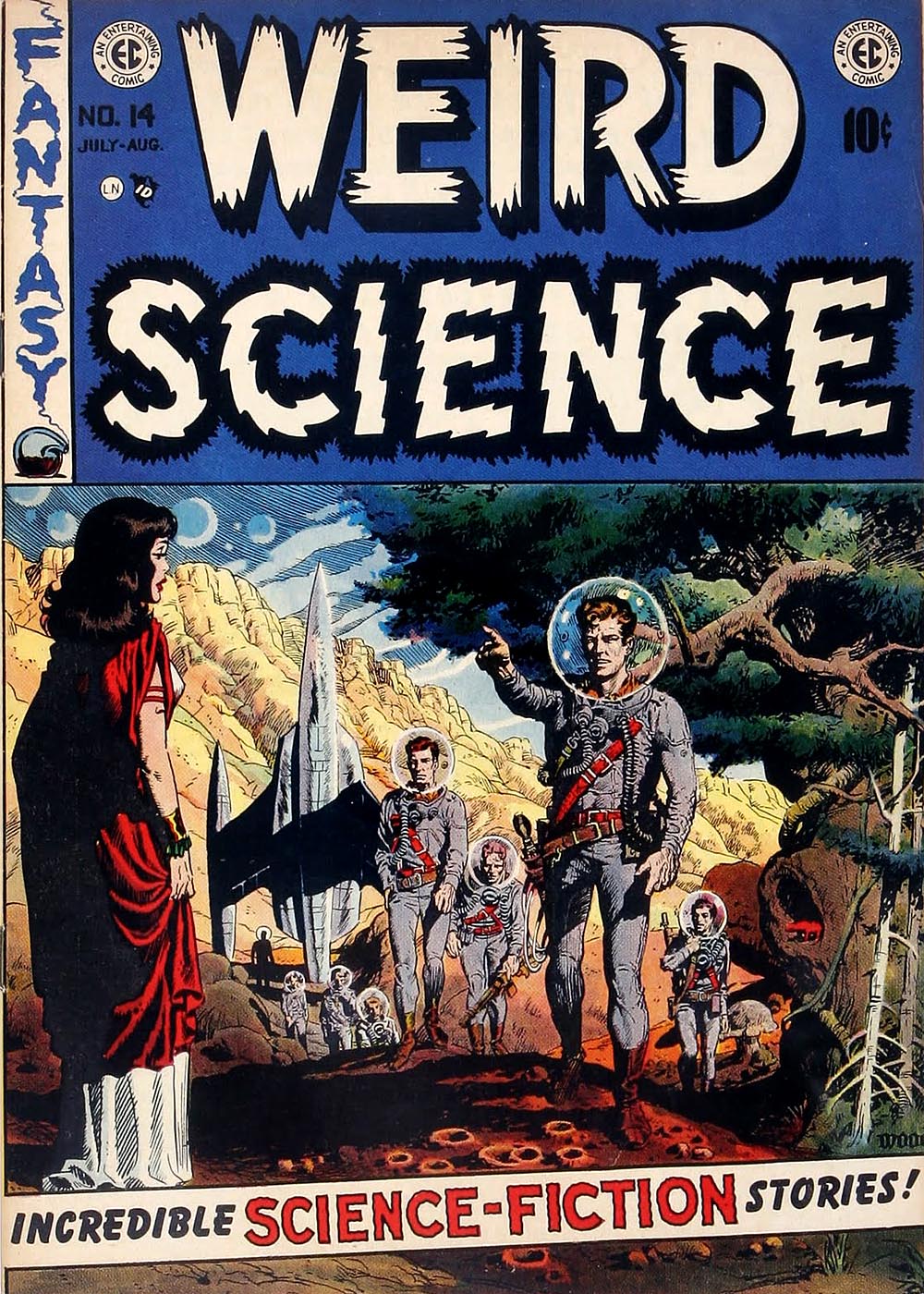
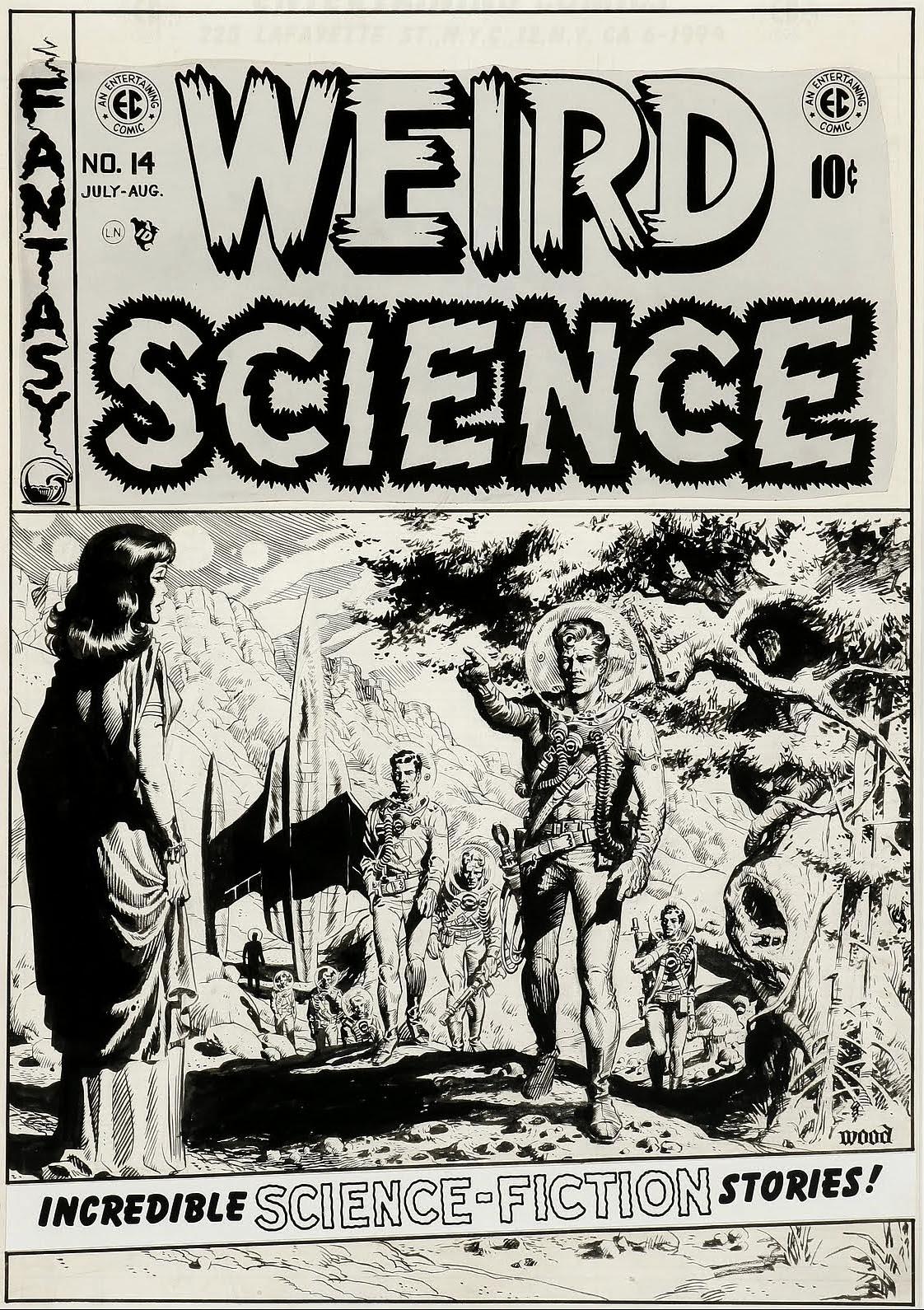
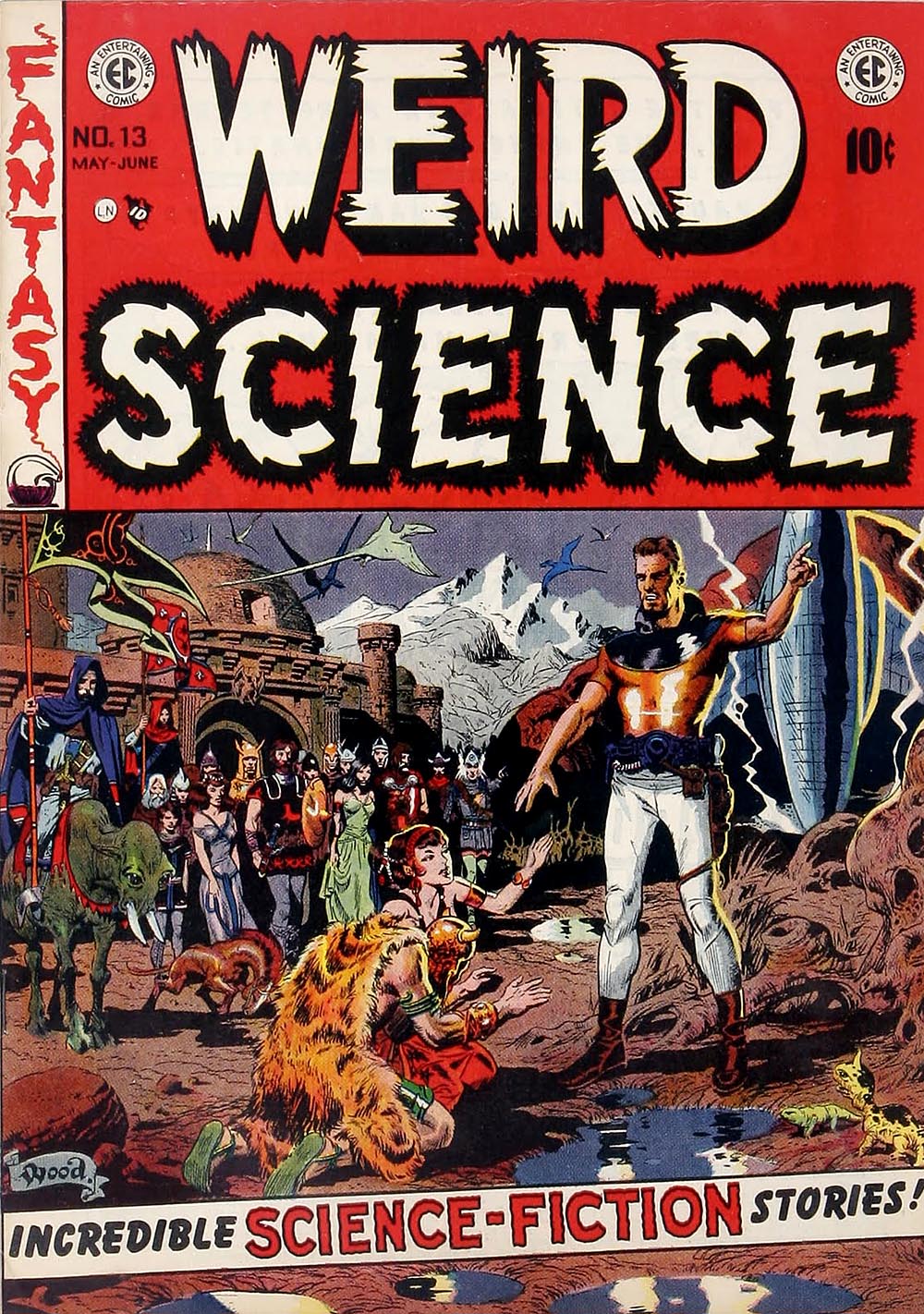
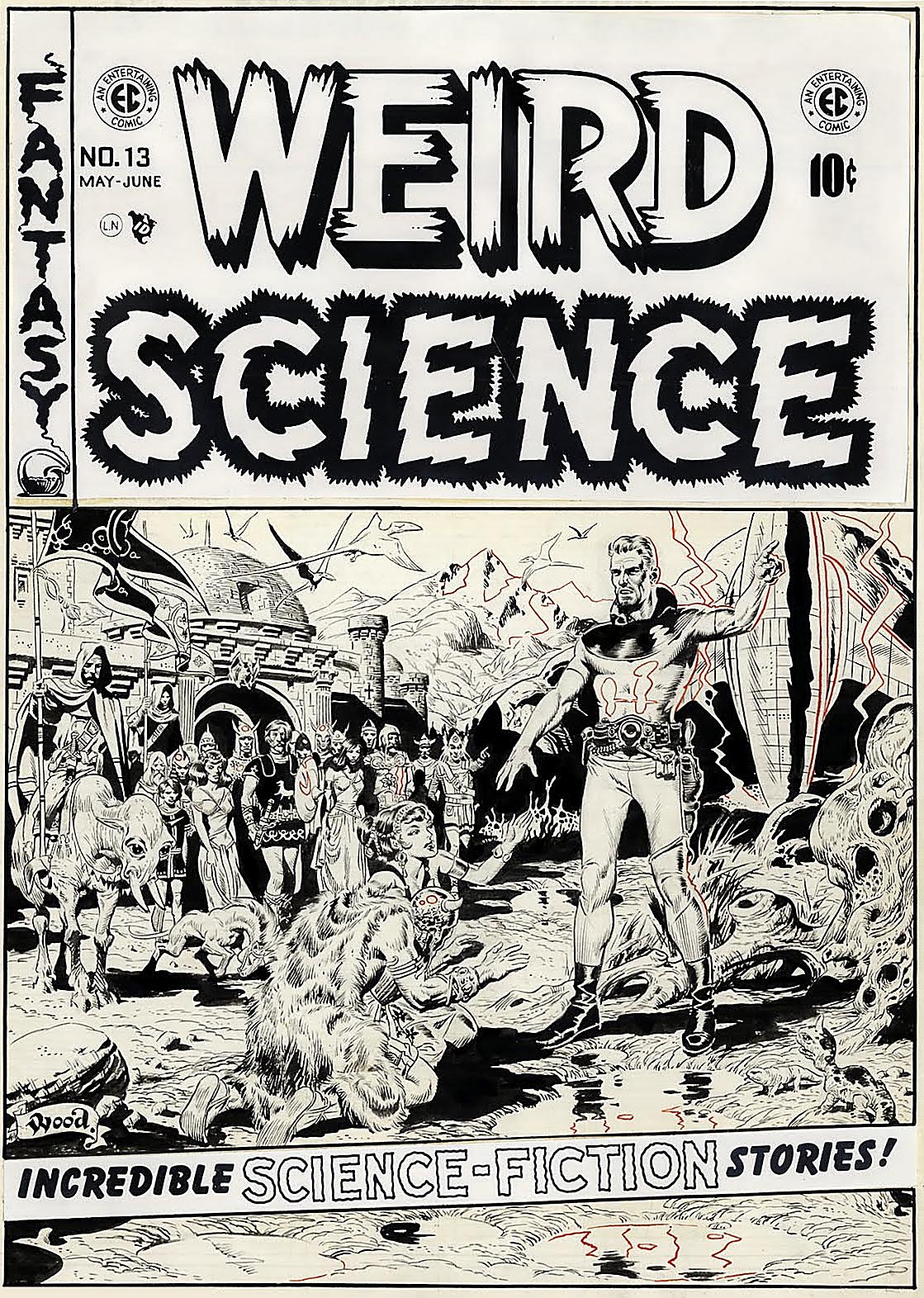
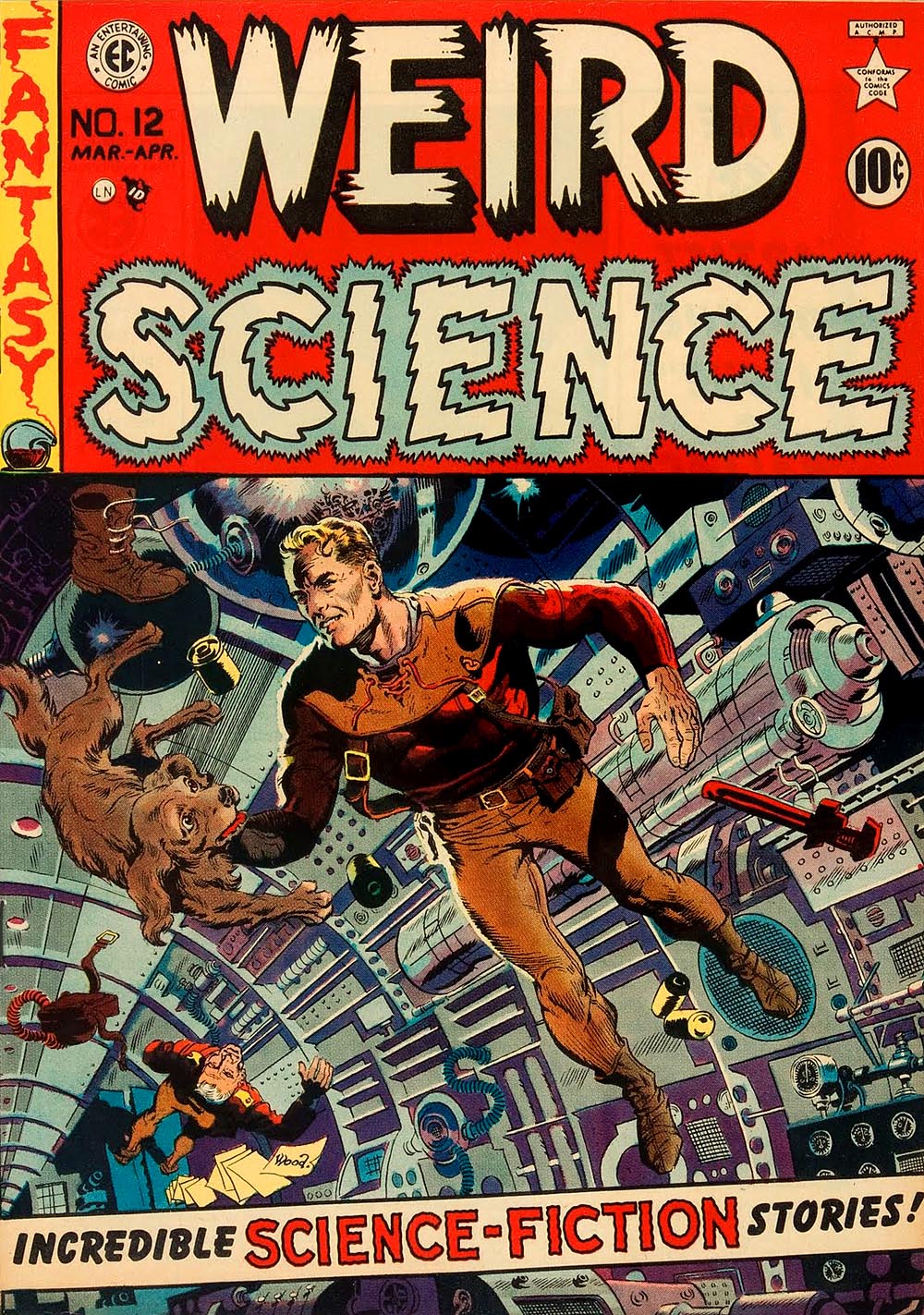
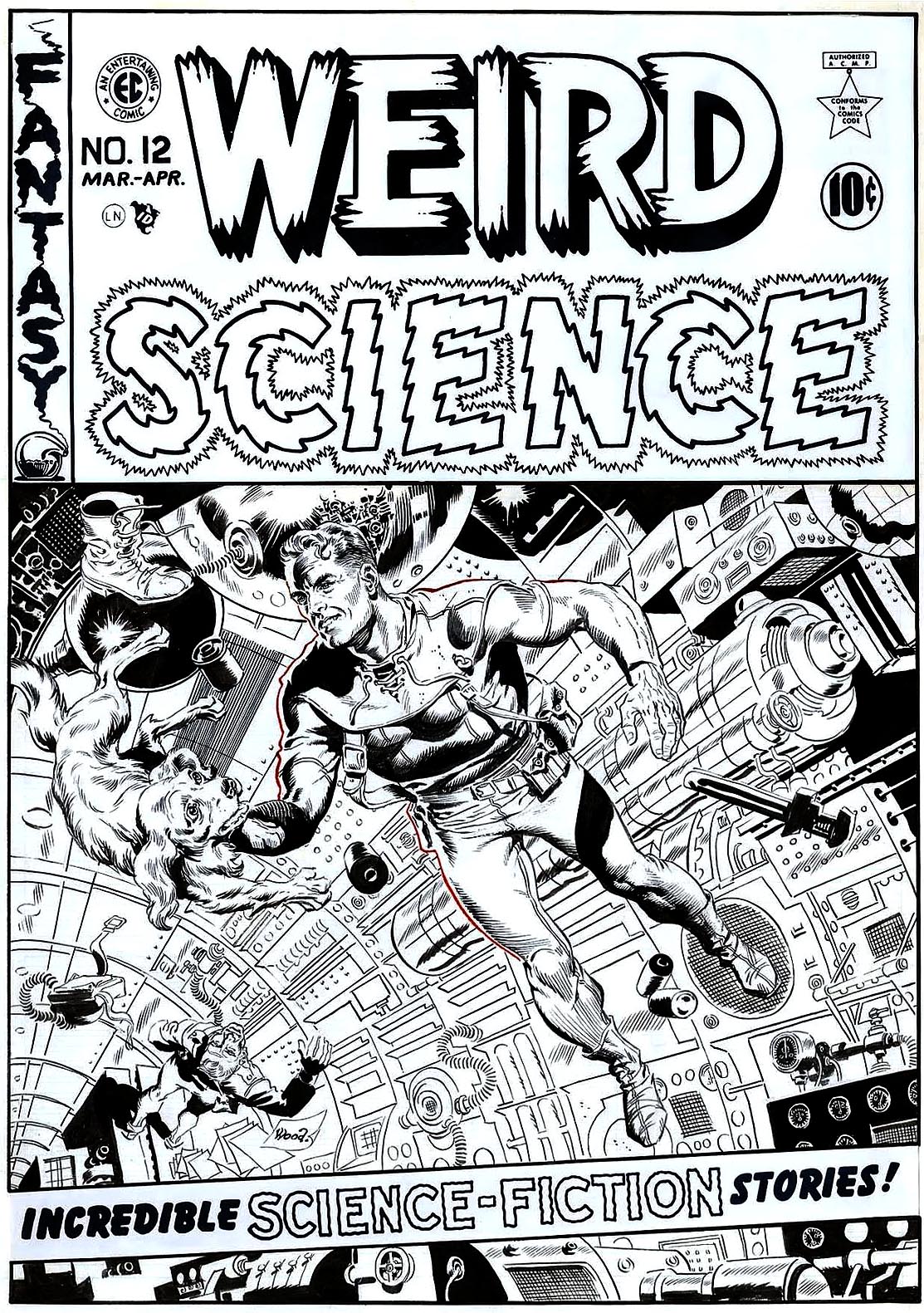
Wally had a tension in him, an intensity that he locked away in an internal steam boiler. I think it ate away his insides, and the work really used him up. I think he delivered some of the finest work that was ever drawn, and I think it’s to his credit that he put so much intensity into his work at great sacrifice to himself. –Harvey Kurtzman



Stephen Worth
Director
Animation Resources
THIS IS JUST THE TIP OF THE ICEBERG!
Animation Resources has been sharing treasures from the Animation Archive with its members for over a decade. Every other month, our members get access to a downloadable Reference Pack, full of information, inspiration and animation. The RefPacks consist of e-books jam packed with high resolution scans of great art, still framable animated films from around the world, documentaries, podcasts, seminars and MORE! The best part is that all of this material has been selected and curated by our Board of professionals to aid you in your self study. Our goal is to help you be a greater artist. Why wouldn’t you want to be a member of a group like that?
Membership comes in three levels. General Members get access to a bi-monthly Reference Pack as well as a Bonus RefPack from past offerings in the in-between months. We offer a discounted Student Membership for full time students and educators. And if you want to try out being a member, there is a Quarterly Membership that runs for three months.
JOIN TODAY!
https://animationresources.org/membership/levels/
FREE SAMPLES!
Not Convinced Yet? Check out this SAMPLE REFERENCE PACK! It will give you a taste of what Animation Resources members get to download every other month! That’s 560 pages of great high resolution images and nearly an hour of rare animation available to everyone to download for FREE! https://animationresources.org/join-us-sample-reference-pack/


 Animation Resources depends on your contributions to support its projects. Even if you can’t afford to join our group right now, please click the button below to donate whatever you can afford using PayPal.







 by
by 
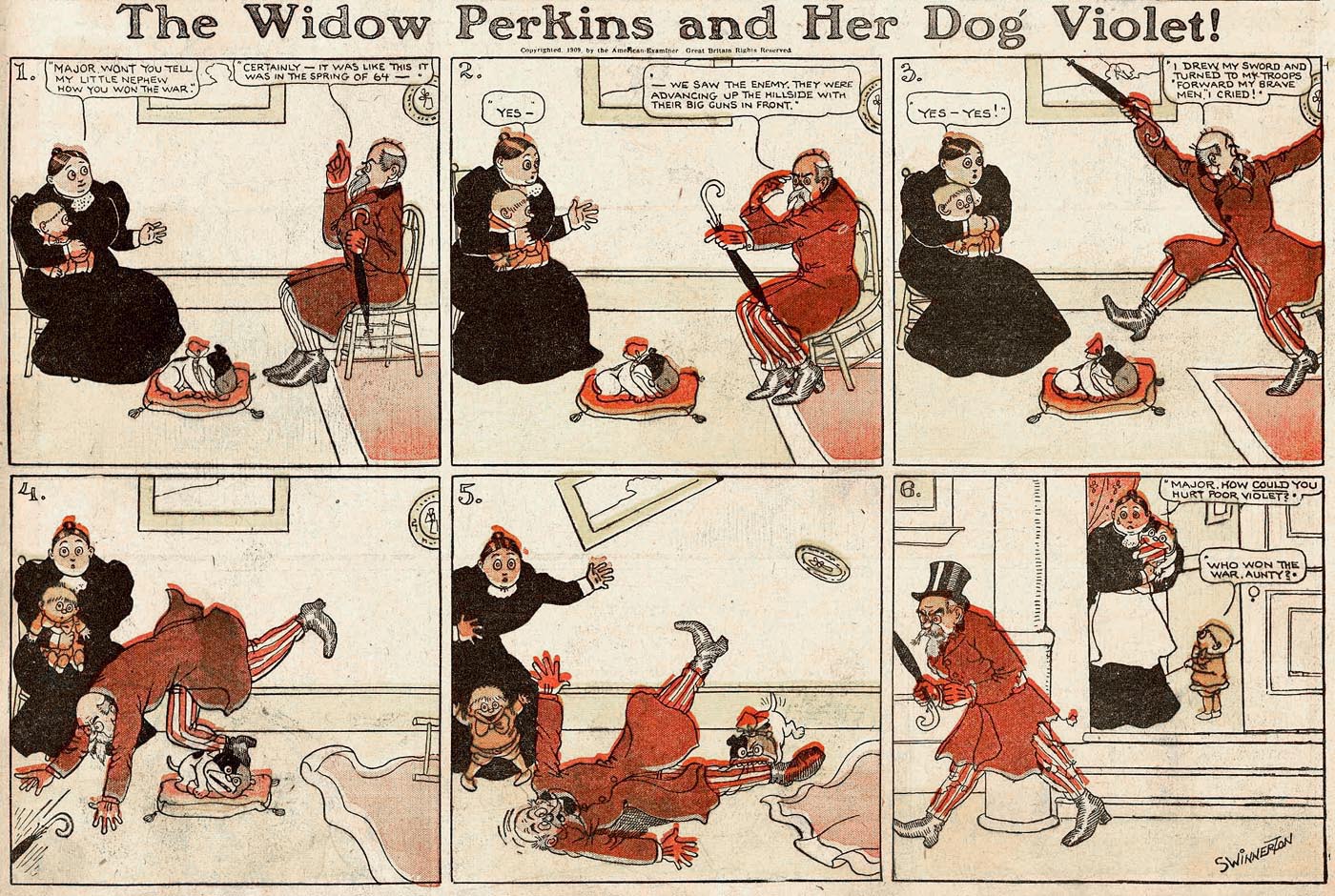

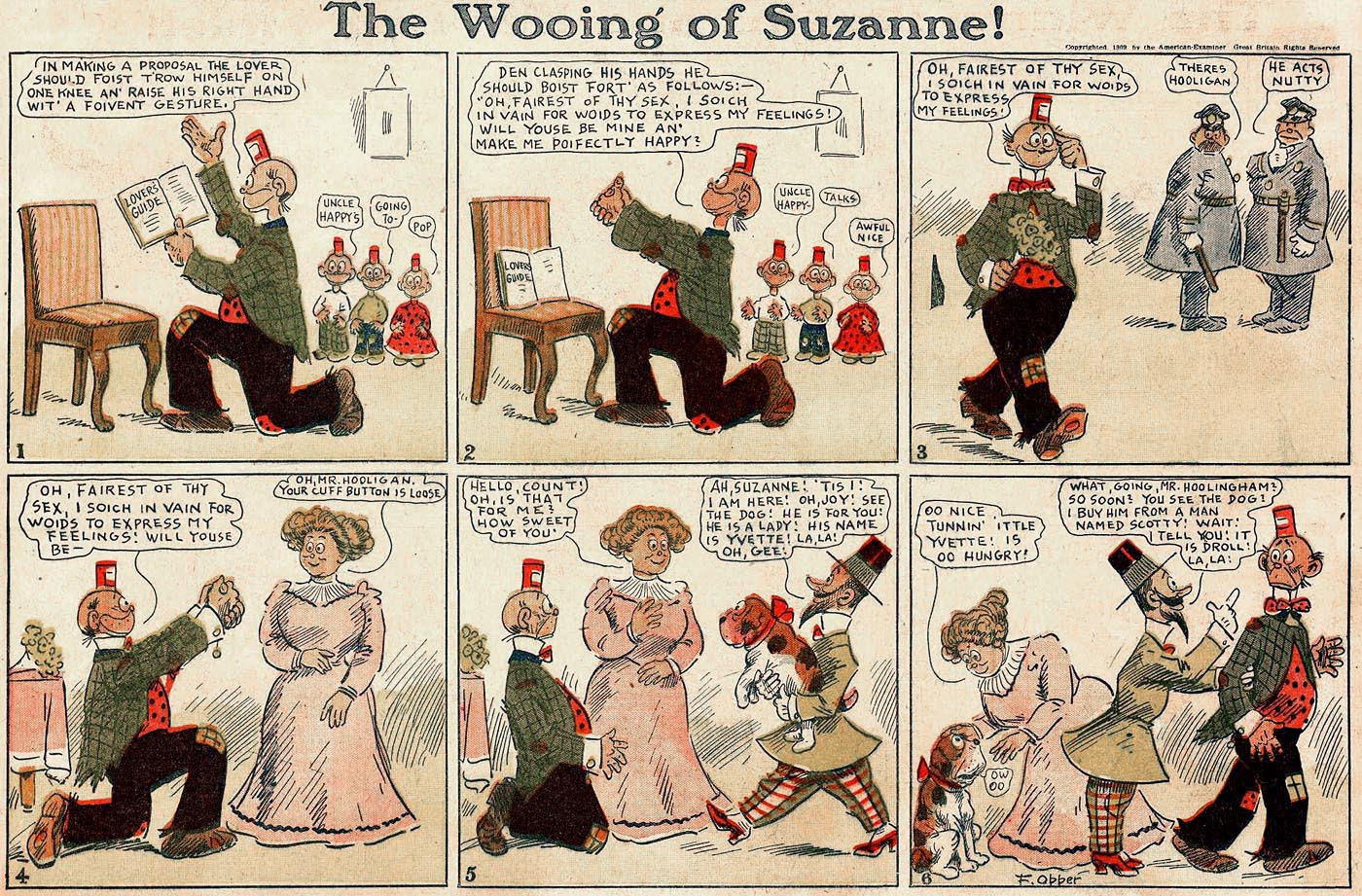

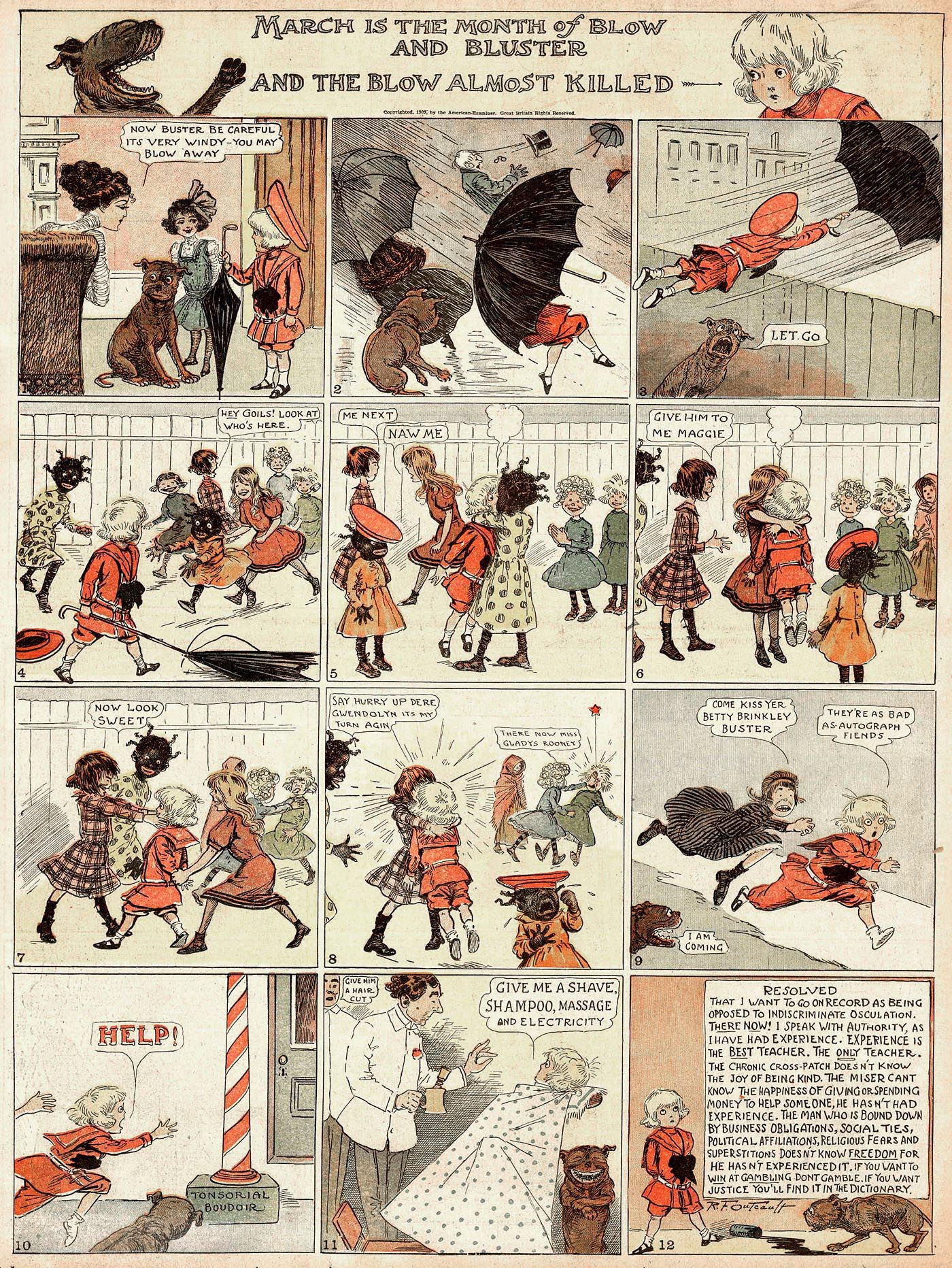
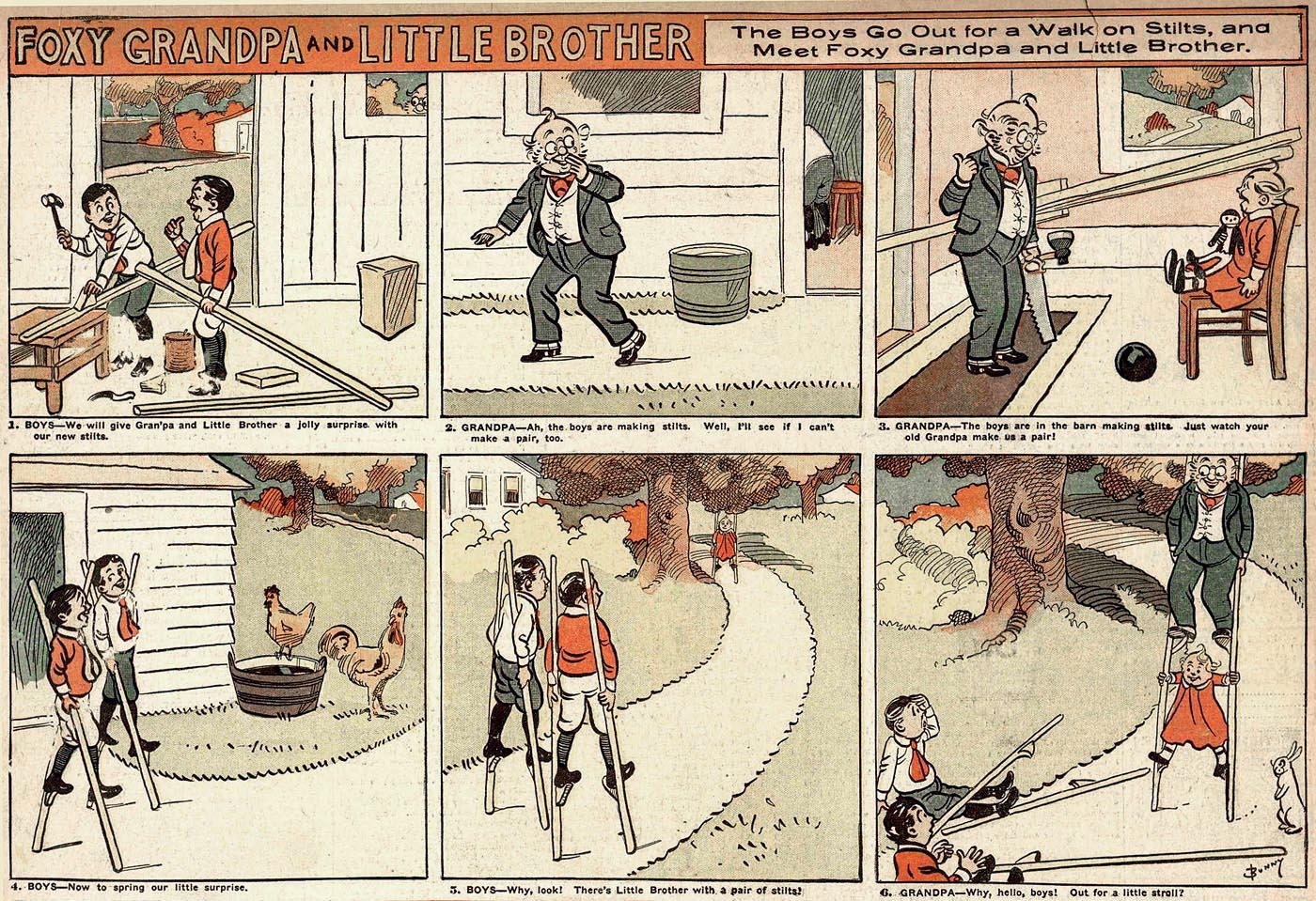

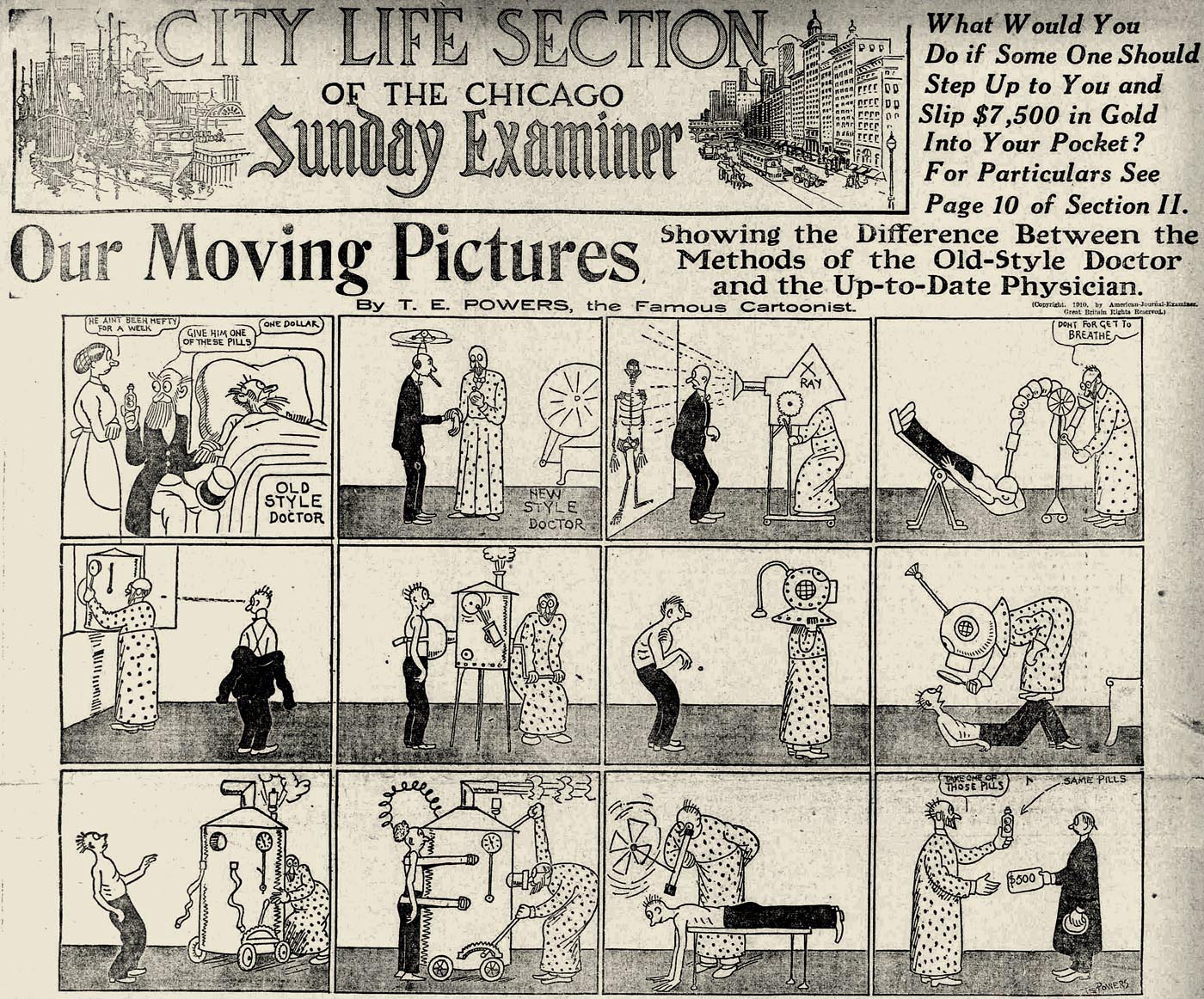
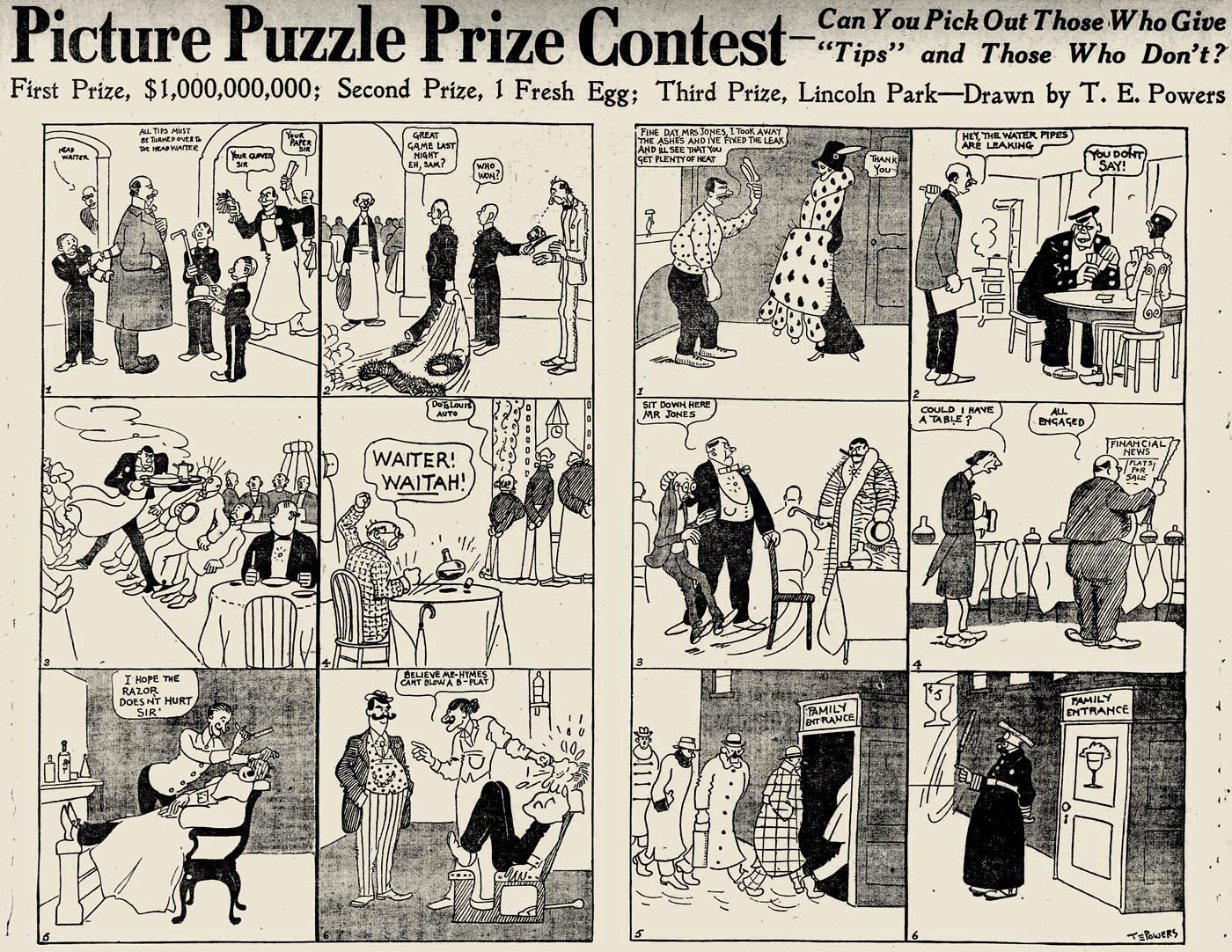
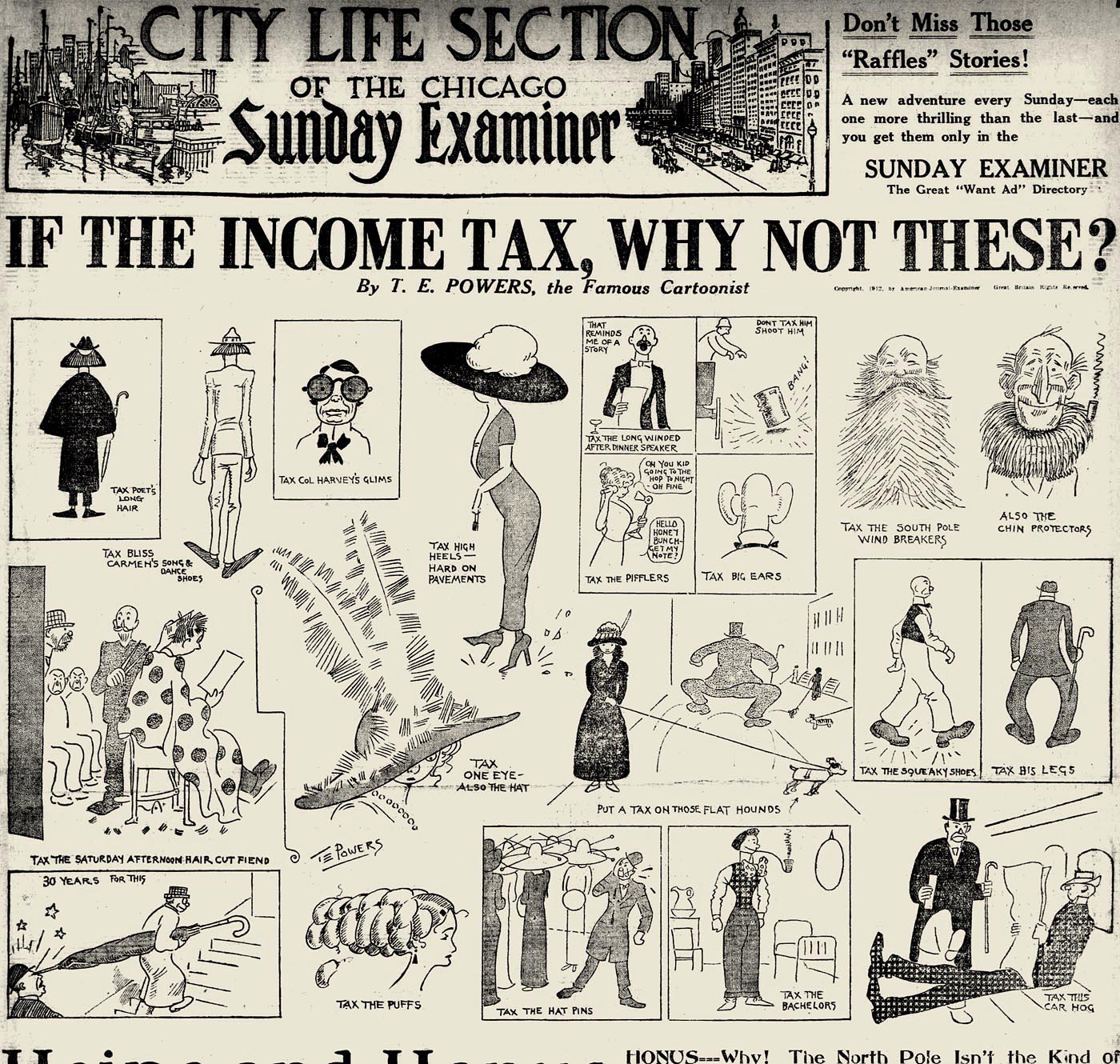
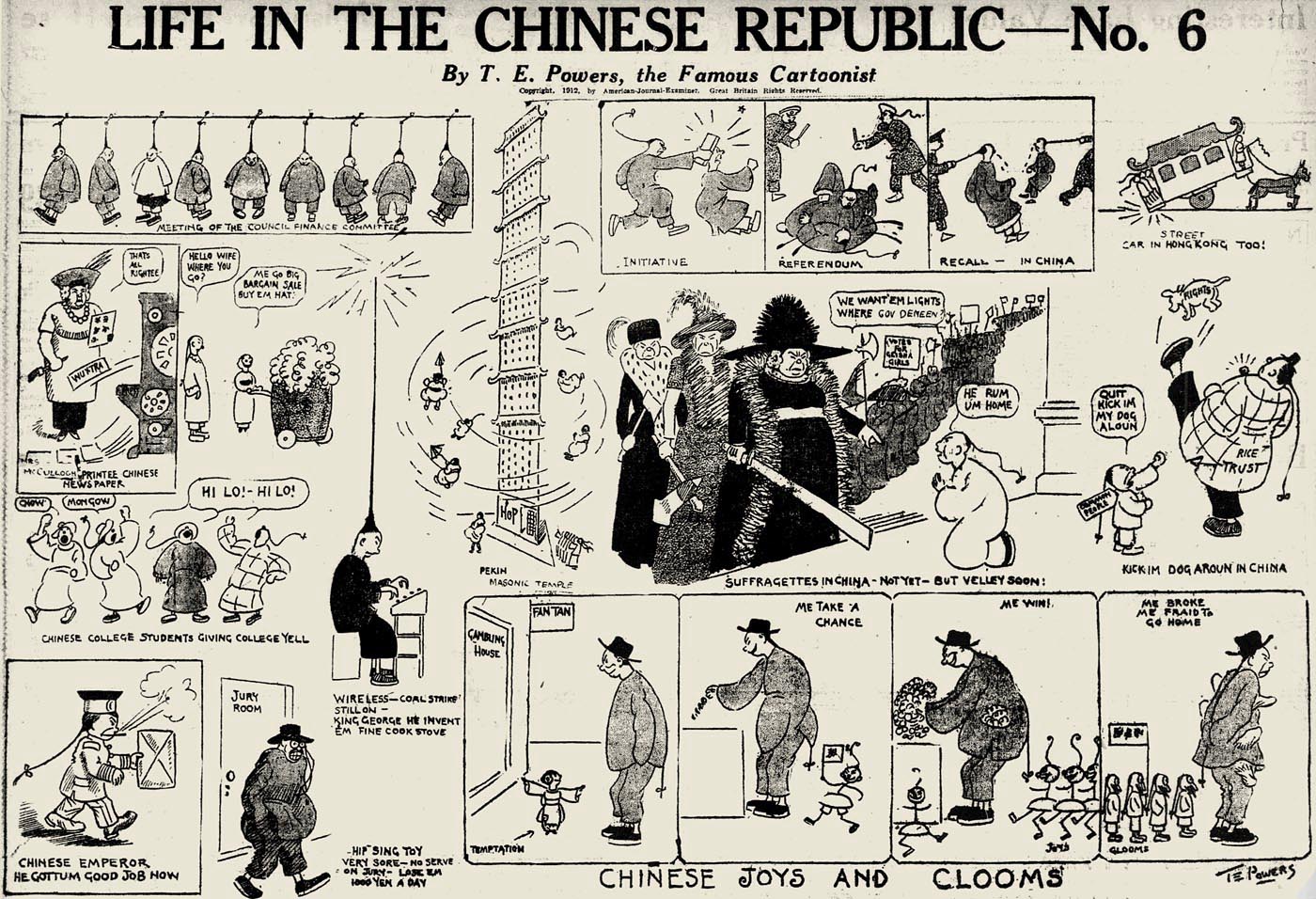




 . You can order it from Amazon. There are many, many fantastic drawings and paintings in this book.