October 22nd, 2012

Members Click Here Membership Email Join Us!

Instruction: Preston Blair’s Advanced Animation Lesson 00

Preston Blair

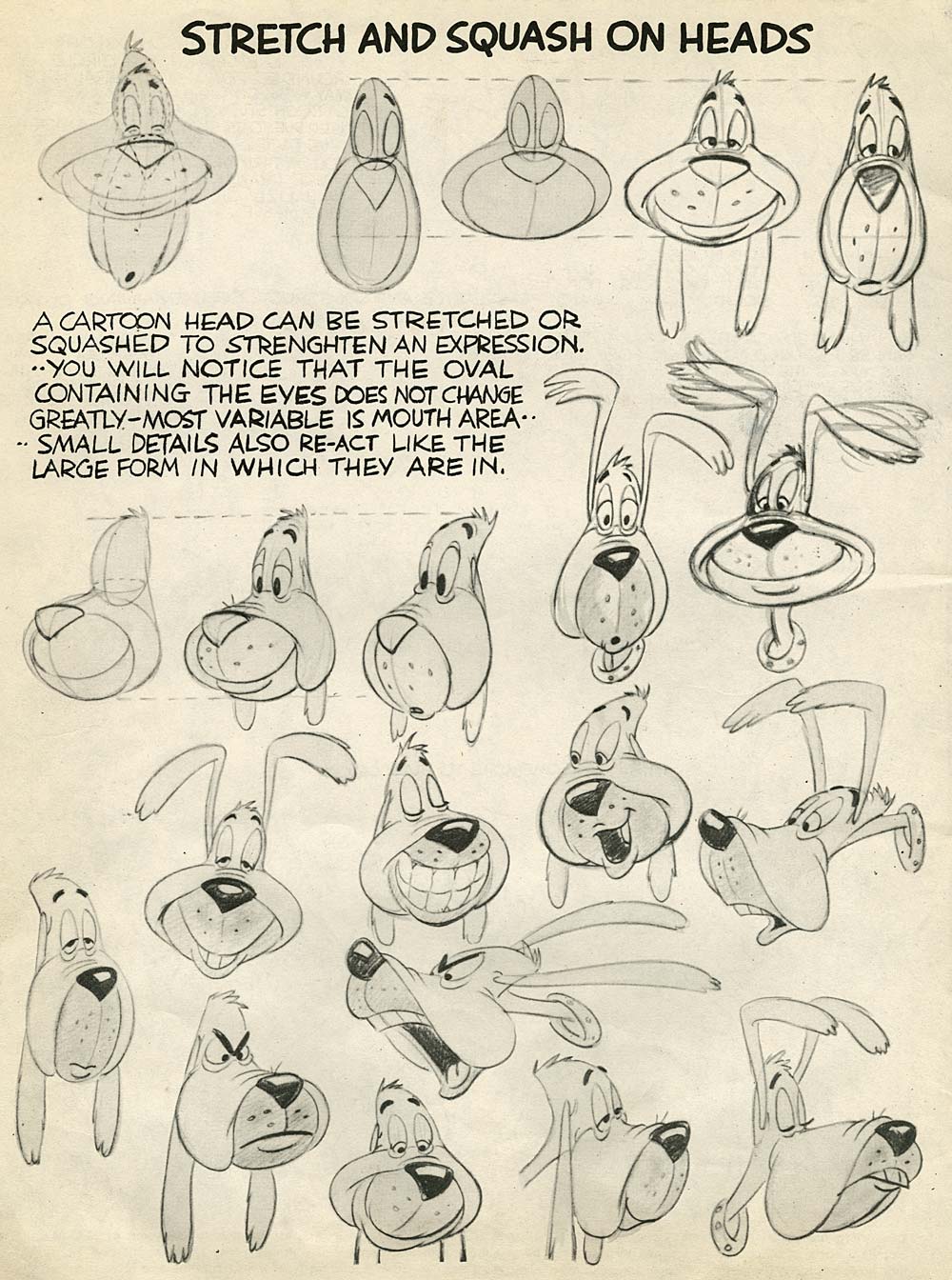
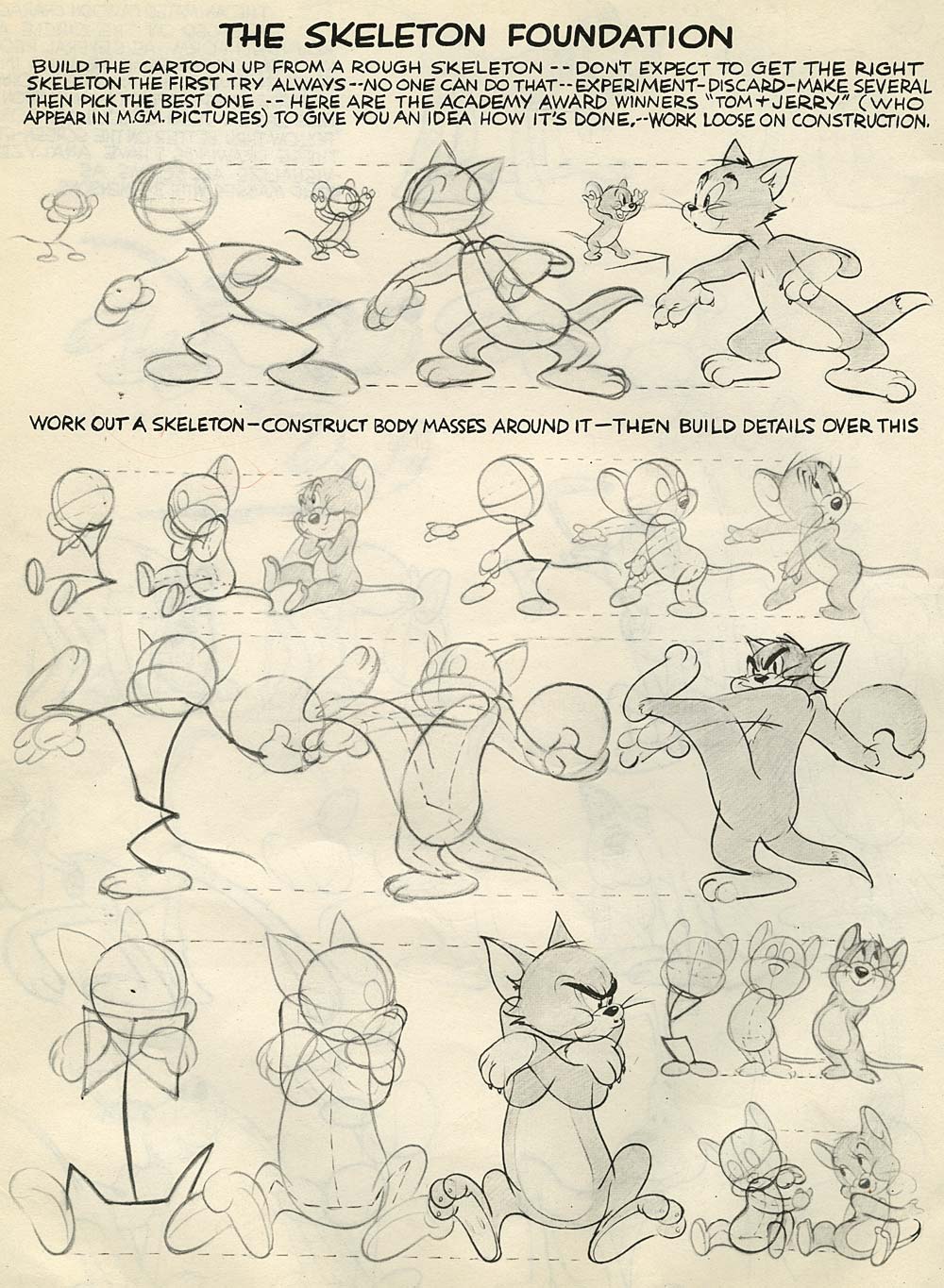
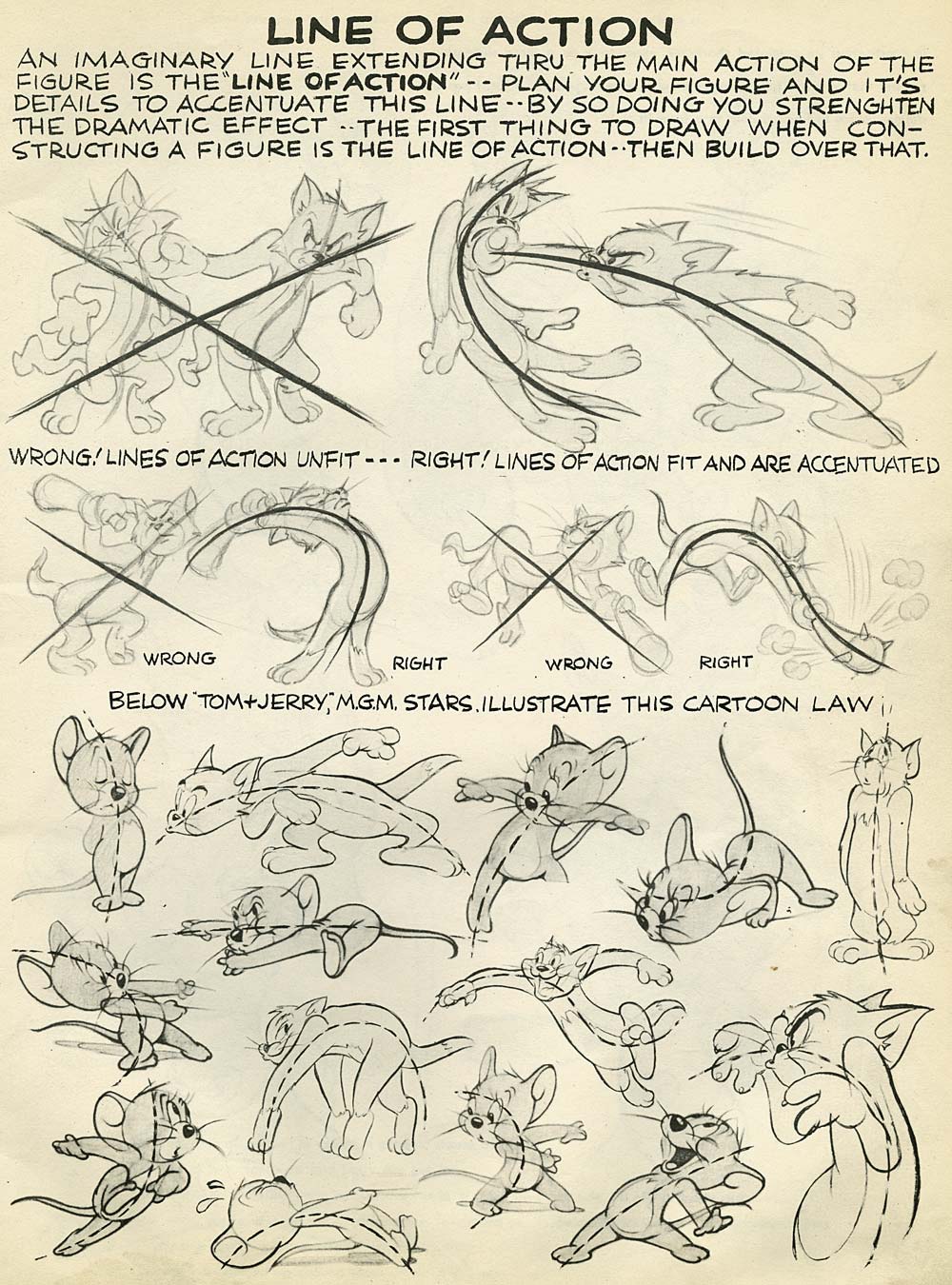
Animation Resources has created a lesson plan based on Preston Blair’s classic book, “Advanced Animation”. The course is designed to teach students the fundamental skills that animation professionals use in their jobs each and every day. The course covers volumetric drawing, construction, clear silhouettes, line of action, posing, expression and much more. This course is valuable for other types of artists as well. Cartooning and illustration require the same fundamental skills. It’s never too late to brush up on the fundamentals.

Apply To Join This FREE Online Course!

Submissions are being accepted to join this free online self-study course. If you are interested, Lesson 00 is your entry test. Work on the lesson until you feel you have completely mastered it, and submit a clear image of your BEST bear head for review to our Discord “Get Critique” channel. (Only one drawing- your BEST!) The professional animators representing Animation Resources on Discord (Davey Jarrell, Taber Dunipace and David “Pez” Hofmann) will be reviewing the submissions and providing critique so you can complete the first lesson. If you qualify, you will be assigned a private mentor to continue the course.

There is no charge for these lessons, but keep in mind that this is SELF-STUDY, not a school where teachers supervise you as you work. You will be expected to be self-motivated and work hard on your own to solve the problems in each lesson. We will provide instructions and occasional guidance, but advancing to the next step in the course is up to you. This may be the most difficult skill to learn that you have ever worked to acquire. It generally takes students two or three months, just to complete the bear head lesson. To complete the rest of the lessons, it may take you a year or more. Dedication and perseverance are essential to your success.

INTRODUCTION

Animation Resources’ course begins with the construction of a simple head and builds upon that, adding new challenges with each lesson. Practice each lesson until you master it and it becomes second nature. If you get impatient and skip forward, you won’t get anything out of your studies.

Preston BlairPreston BlairAs you may have already noticed, the examples provided in these lessons are drawn in an old fashioned funny animal style. You may have no interest in learing to draw in this style. We understand completely that you might want to work in a more contemporary style of drawing, and we encourage that. But the underlying principles Preston Blair’s drawings illustrate are invaluable and they apply to many different styles, old and new. The principle advantage of learning using these particular designs is their simplicity. It’s important to learn the basics using simple volumetric shapes before venturing into more complex forms.


Lesson O: The Bear Head
Lesson Supervised by JoJo Baptista


In this lesson you are learning volumetric construction, hierarchy of forms, and proportions.

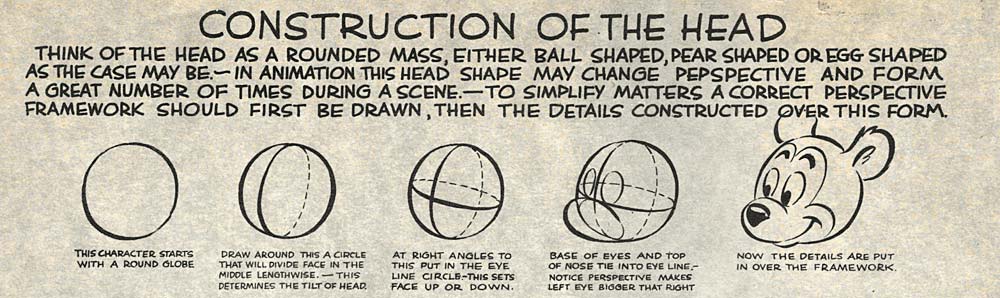
This exercise is a qualifying round. It’s learning to draw a volumetric shape composed of one simple form- the bear head.
Preston Blair

Follow these steps:

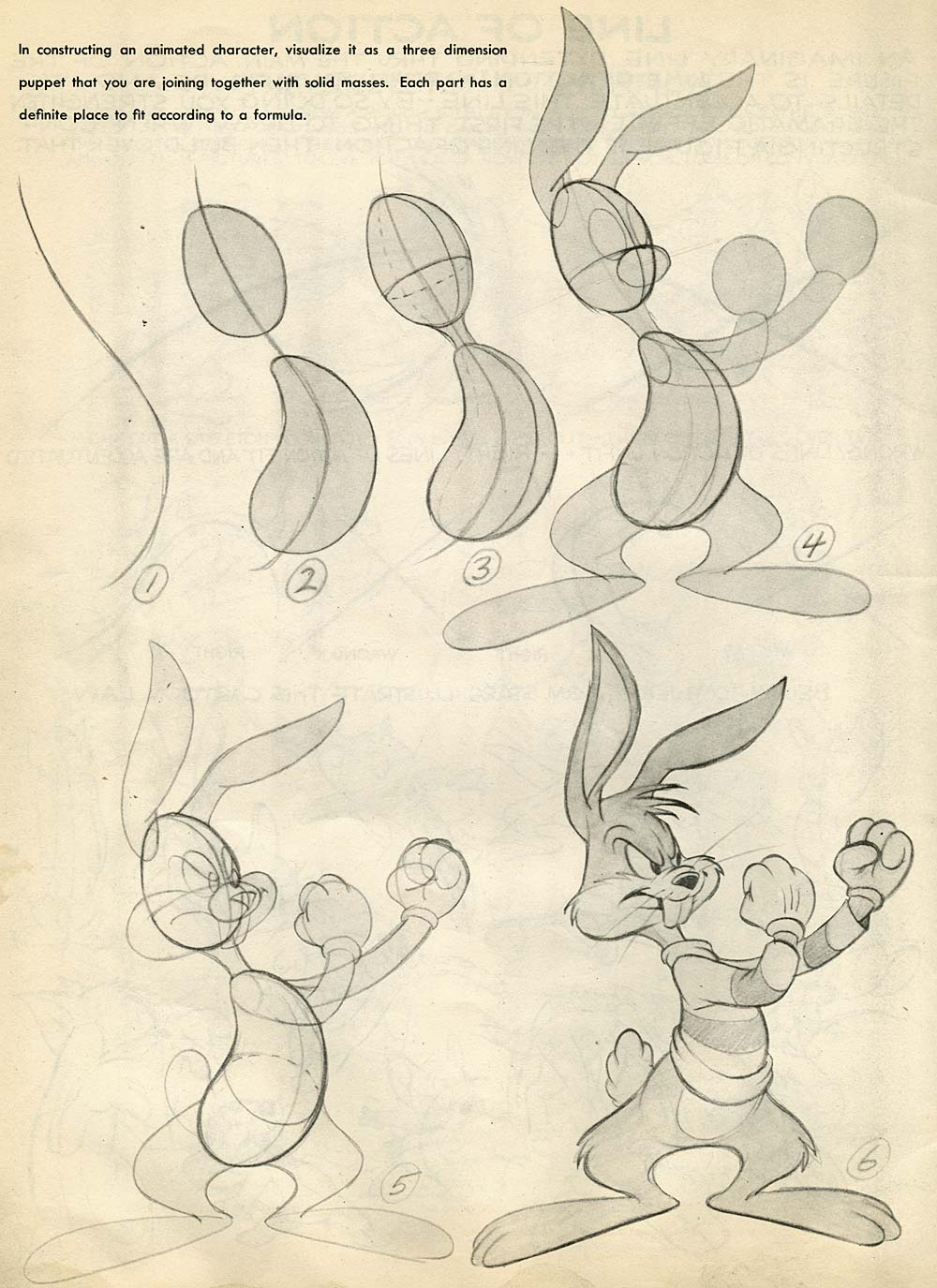
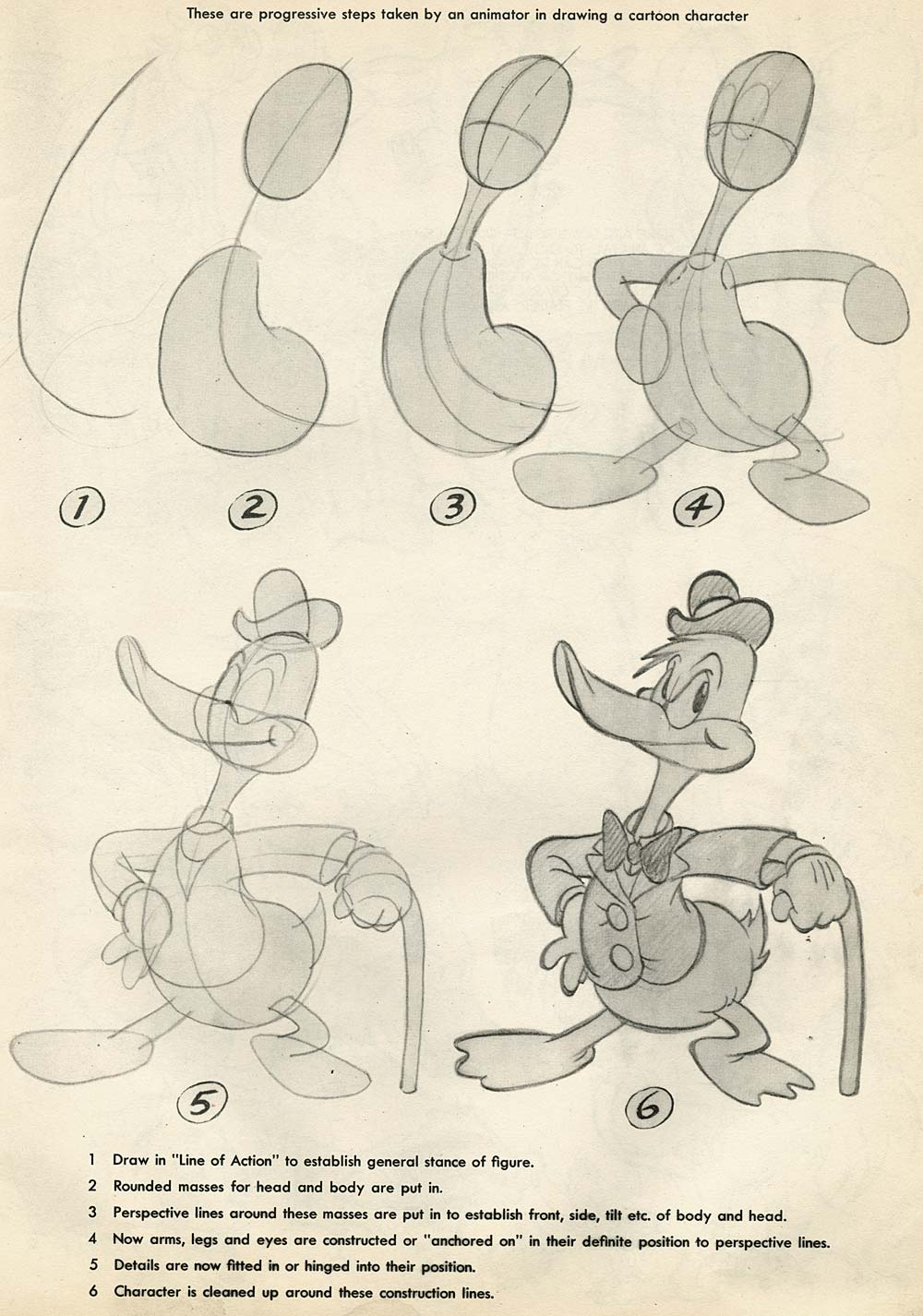
  • Start with the largest shapes first, and work your way down to the details. The first step is to draw a perfect circle, however you’ll see that it’s not a flat shape. It’s a sphere.
  • Next add the guidelines on the sphere following the curvature of the sphere vertically. The guide lines will help you visualize the head as a volume, not a flat shape on your paper. They will also help you judge the proportions so your features fall in the same place on the sphere each time.
  • Now wrap a guideline around the form horizontally. You have created a volumetric sphere.
  • When the basic volume of the head is clearly defined, you can move on to the secondary forms. Attach the muzzle to the sphere. The muzzle is volumetric and wraps around the surface of the sphere. It’s not floating in space and it isn’t a flat shape on top of the form. When you have constructed the muzzle properly, you can begin to wrap the eyes around the form. Use the guide lines as an aid to turn the eyes around the shape.
  • The last step is to anchor the details to the forms you’ve just constructed. For example, the pupils follow the form of the eyes, and the mask around the bear head’s eyes and mouth wrap along the surface of the form. The eyebrows do as well. Even the small bits of fur are anchored to the main shape of the ear. Can you guess what the basic shape of the ears looks like without the details?
  • Remember: Nothing is floating in space. It all wraps around the form.

SOME TIPS:

When you animate, it’s important to start with the largest forms first. An animator designs the basic rough pass of the movement using just the primary shapes. If you start with details first, it’ll be a lot more difficult to manage your drawings. Features will tend to slide around as the character moves because they aren’t anchored to the forms first.

If you’re having trouble controlling the volumetric wrapping, I suggest drawing just the first few steps as many times as possible until you feel comfortable enough to proceed to the next steps.

Accuracy is also important in animation. If your drawings fluctuate from drawing to drawing, your animation will shimmer and shake. In order to get your drawings to flow from one to the next, you have to have complete control. You have to aspire to being able to draw the bear *perfectly*. This isn’t about interpreting the bear in your style. It’s about being able to precisely construct it so it comes out exactly the same every time.

Don’t draw just one bear head. Draw it many times. Note your mistakes and correct them the next time. With each attempt the process will be ingrained deeper and deeper into your mind. It will take hundreds of carefully drawn bear heads to get to where you need to be to advance to the next lesson. Get to work! –JoJo Baptista, Supervisor of the Course

WHEN YOU ARE DONE

When you have completed this exercise and you’re satisfied that you have perfectly mastered the concepts in this lesson, log in to the Animation Resources Discord “Get Critique” channel. Post a clear image of your BEST bear head, and ask the staff to review it for you. Don’t post your work until you are confident that it perfectly satisfies the instructions in this lesson.


Preston Blair’s Advanced Animation
(First Edition)


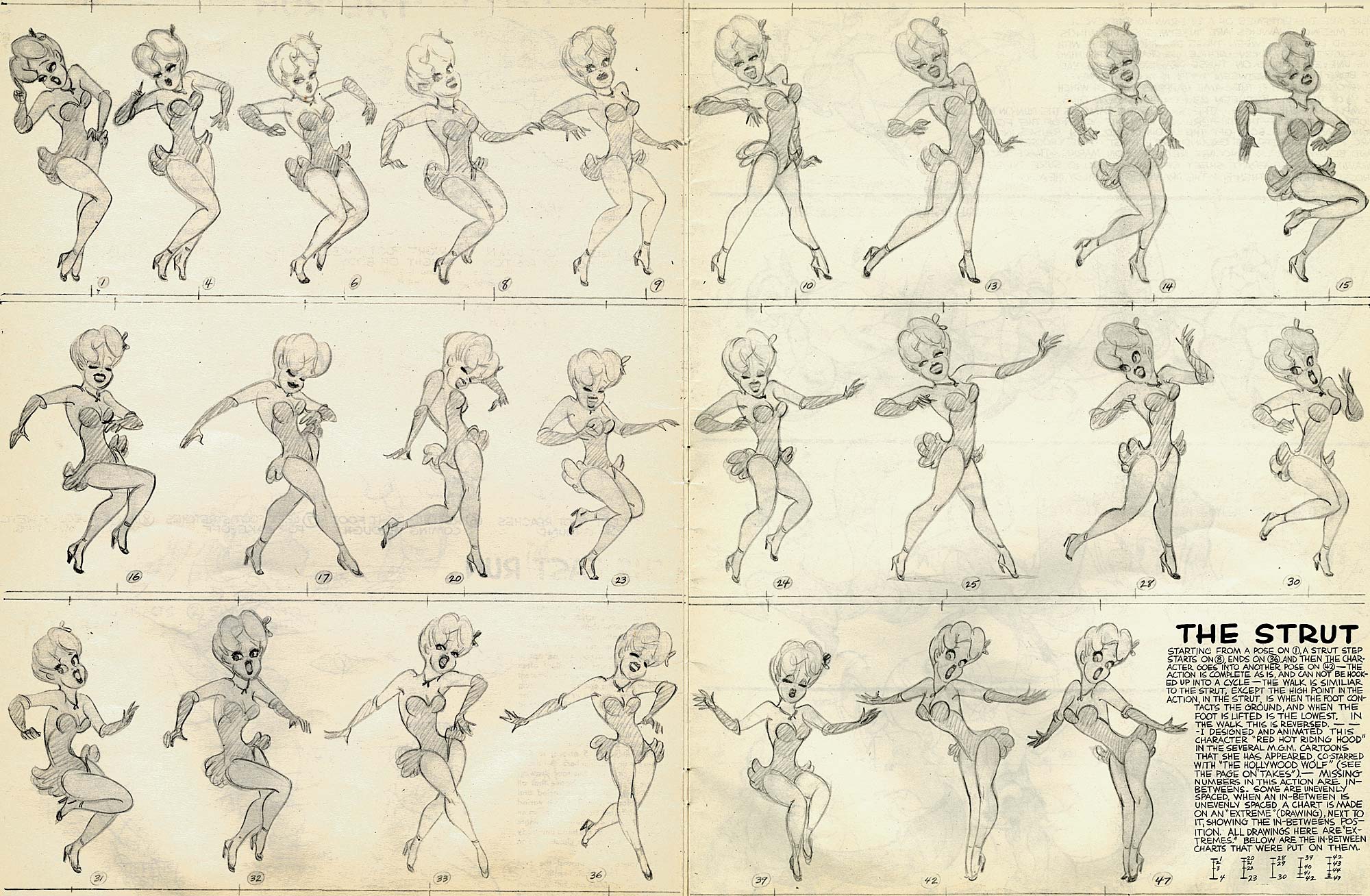
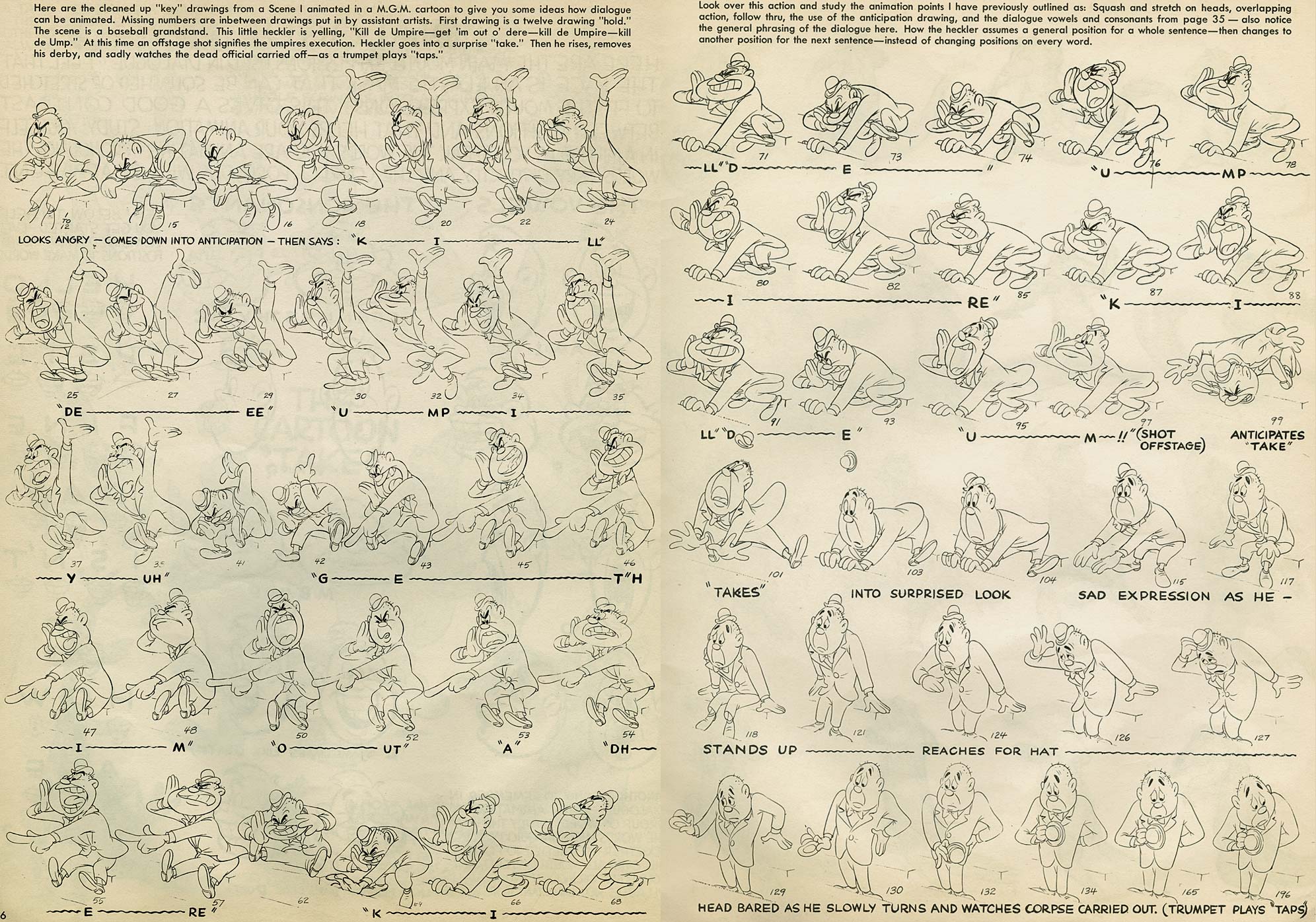
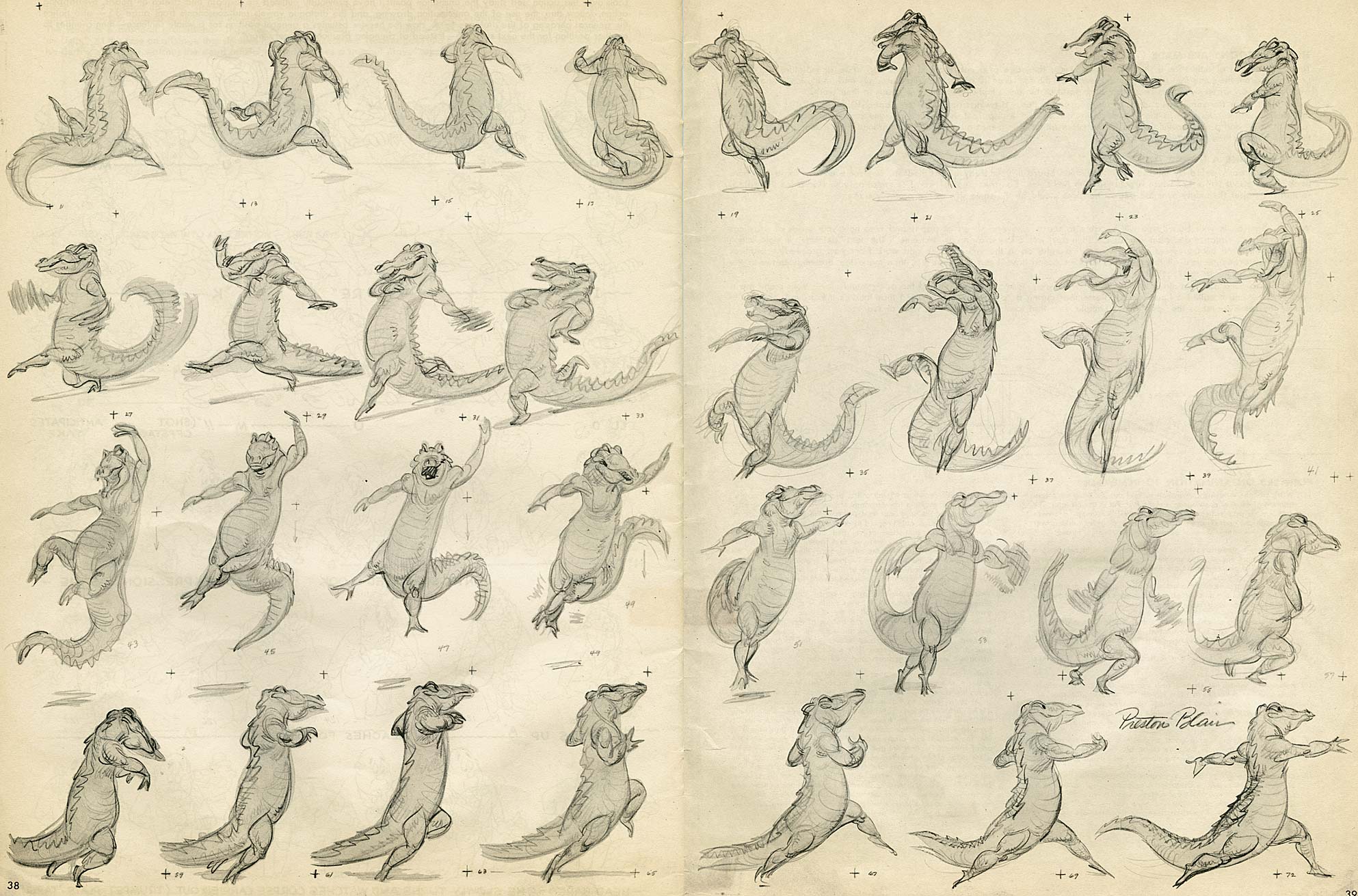
Preston BlairPreston BlairPreston Blair was one of the finest draftsmen to have ever worked in the field of animation. He animated Mickey Mouse in "Sorcerer’s Apprentice", and he was one of the top animators at MGM, where he animated the legendary Red Hot Riding Hood. His book, titled simply "Animation" crystalized the basic principles of cartoon animation, and profoundly influenced a whole generation of young animators. He passed away in 1995.

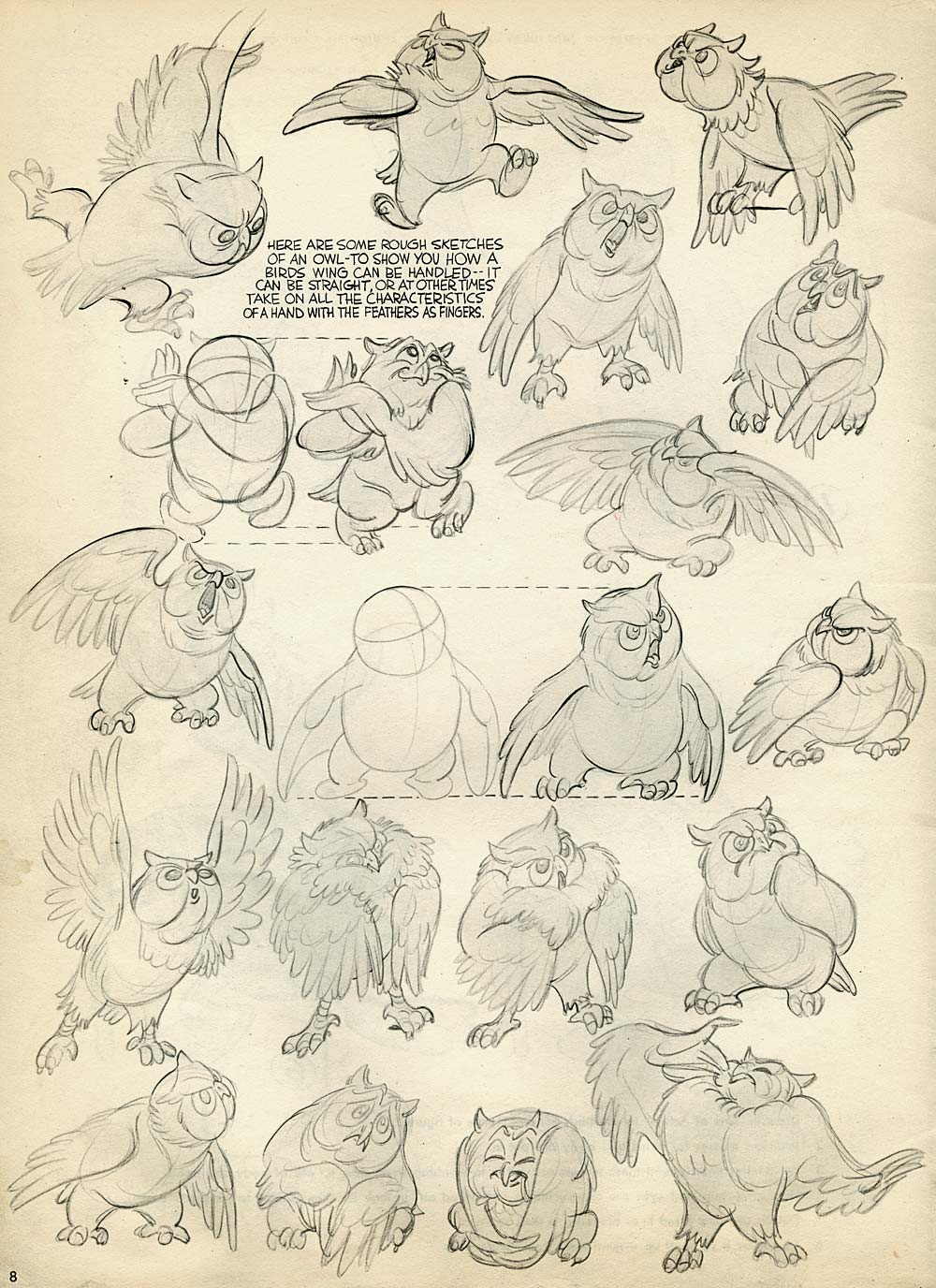
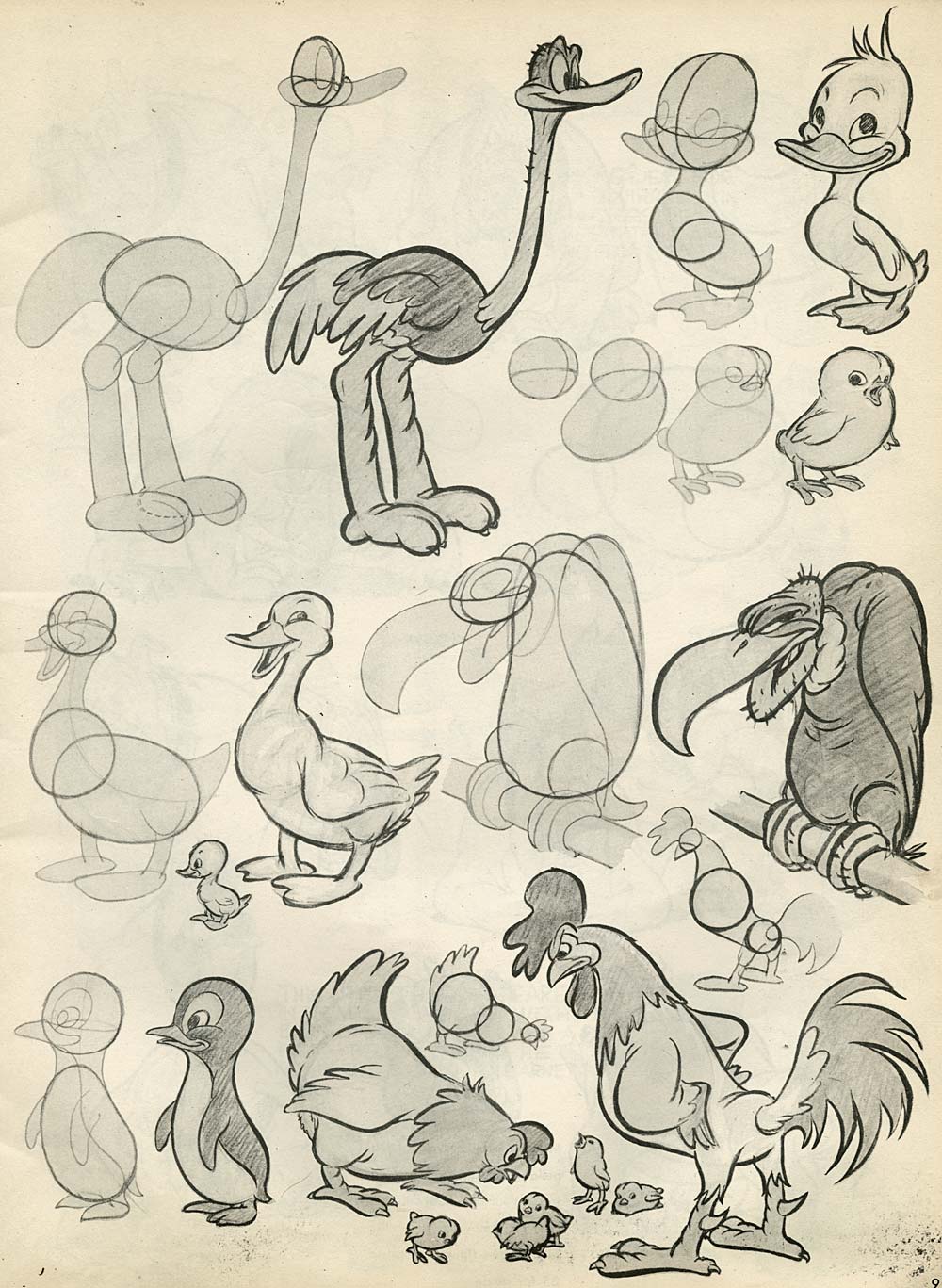
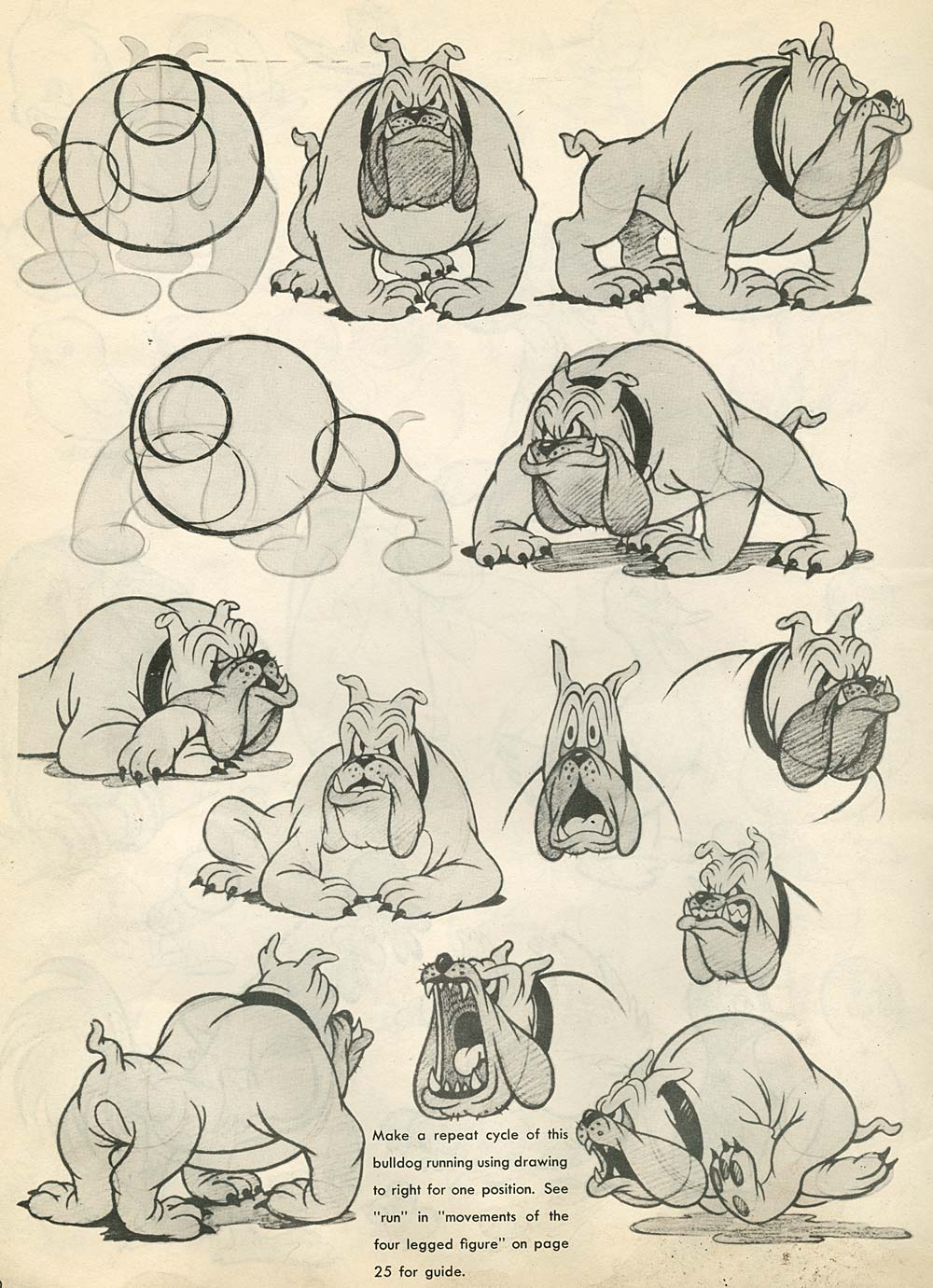
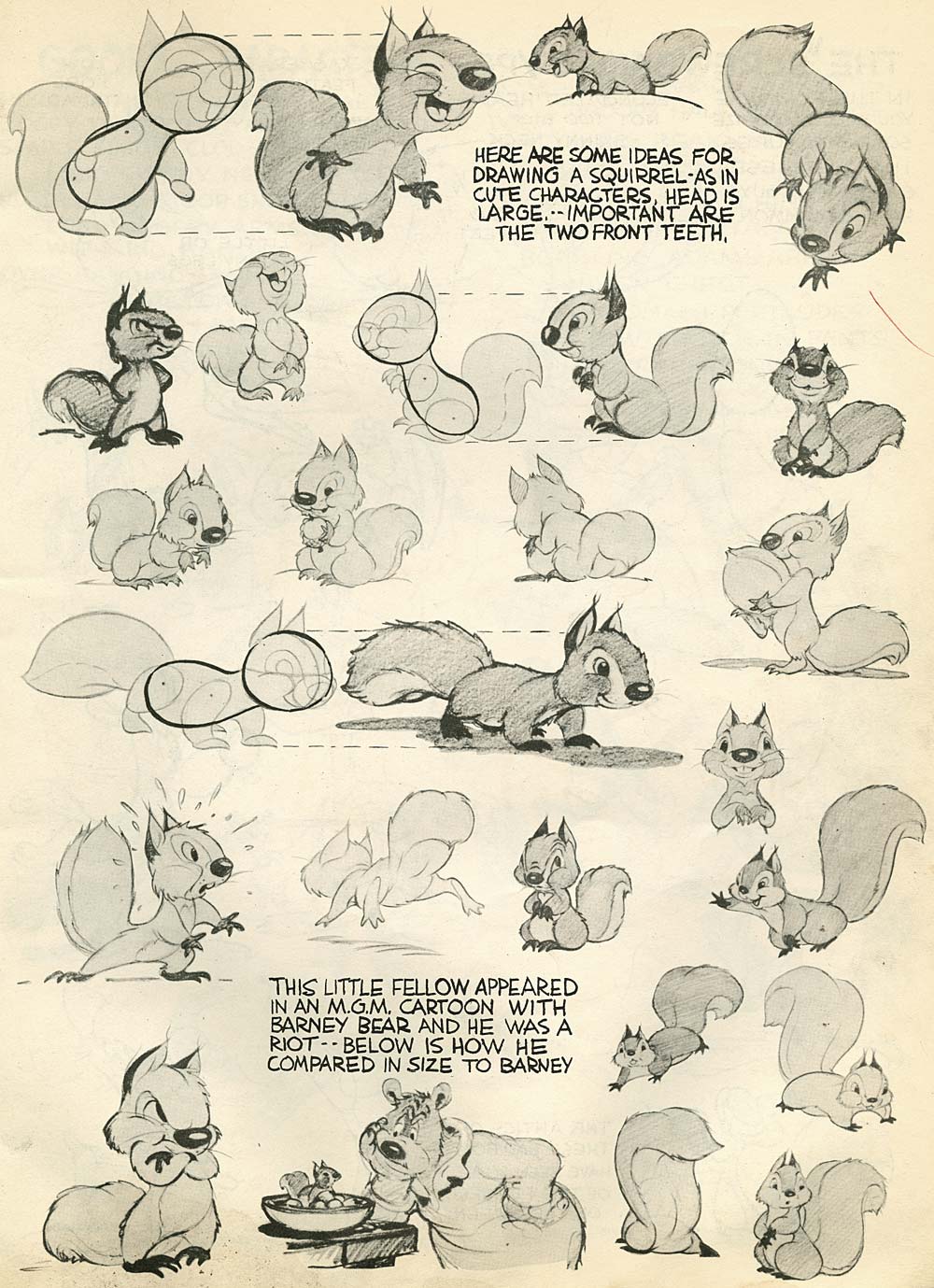
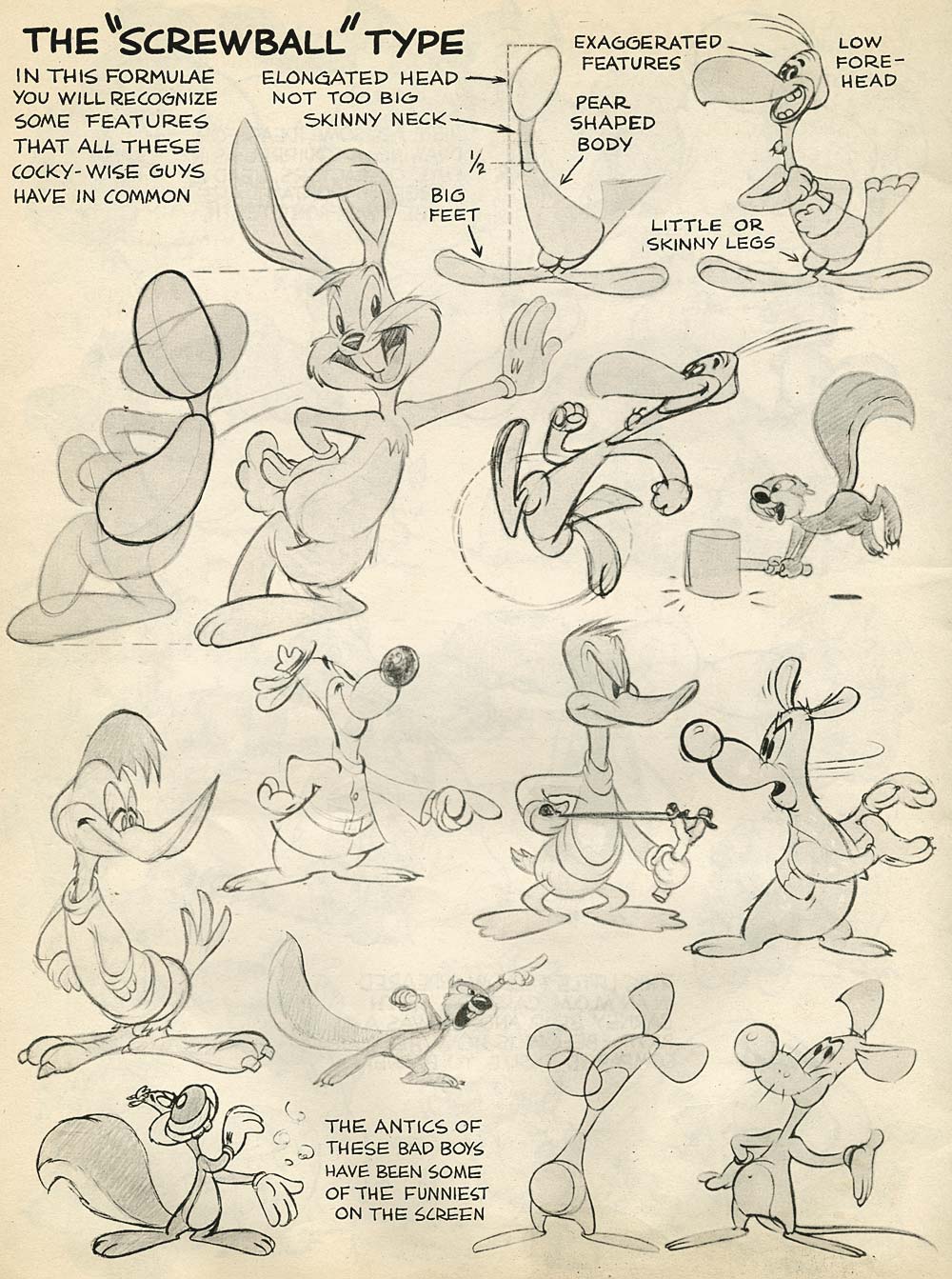
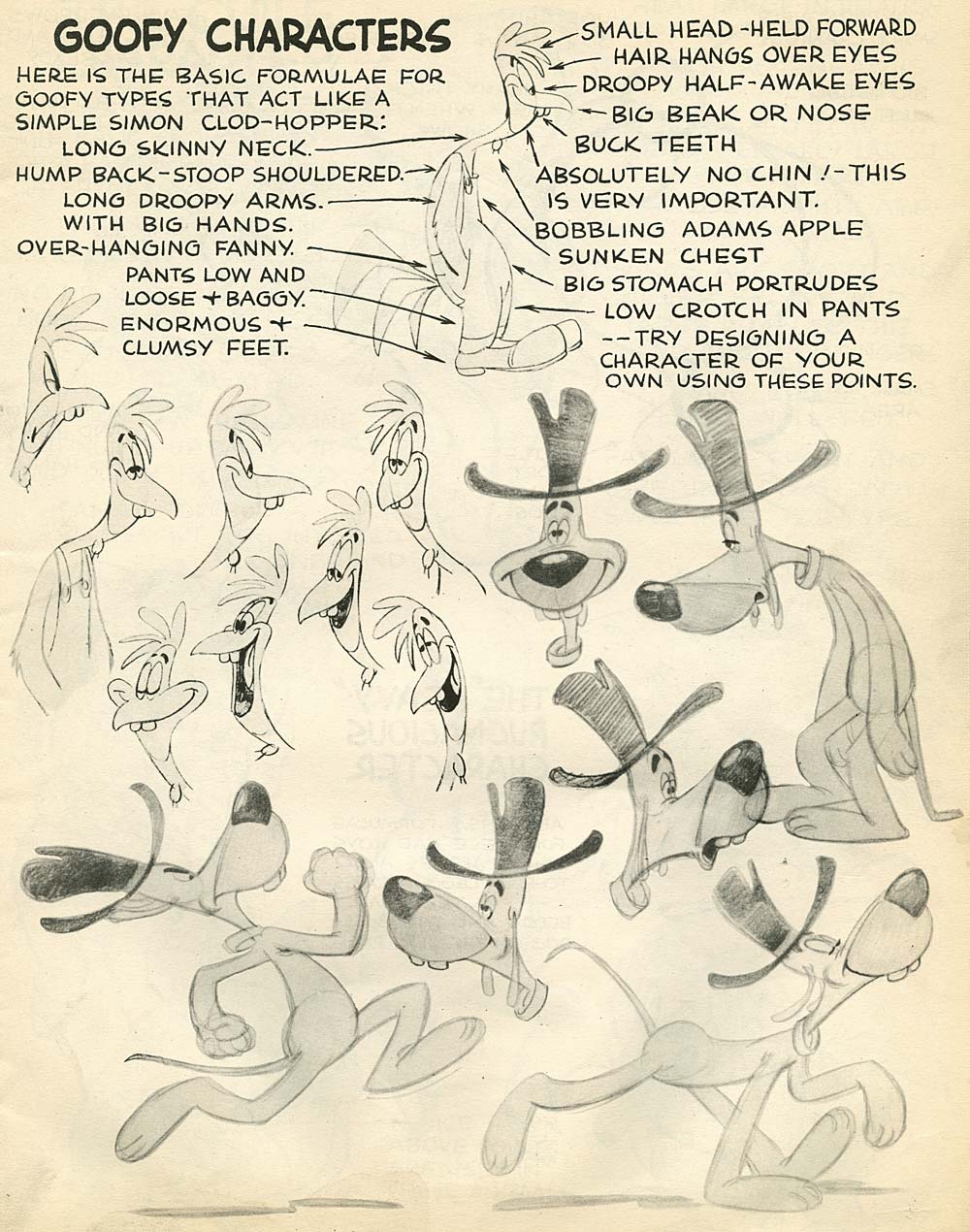
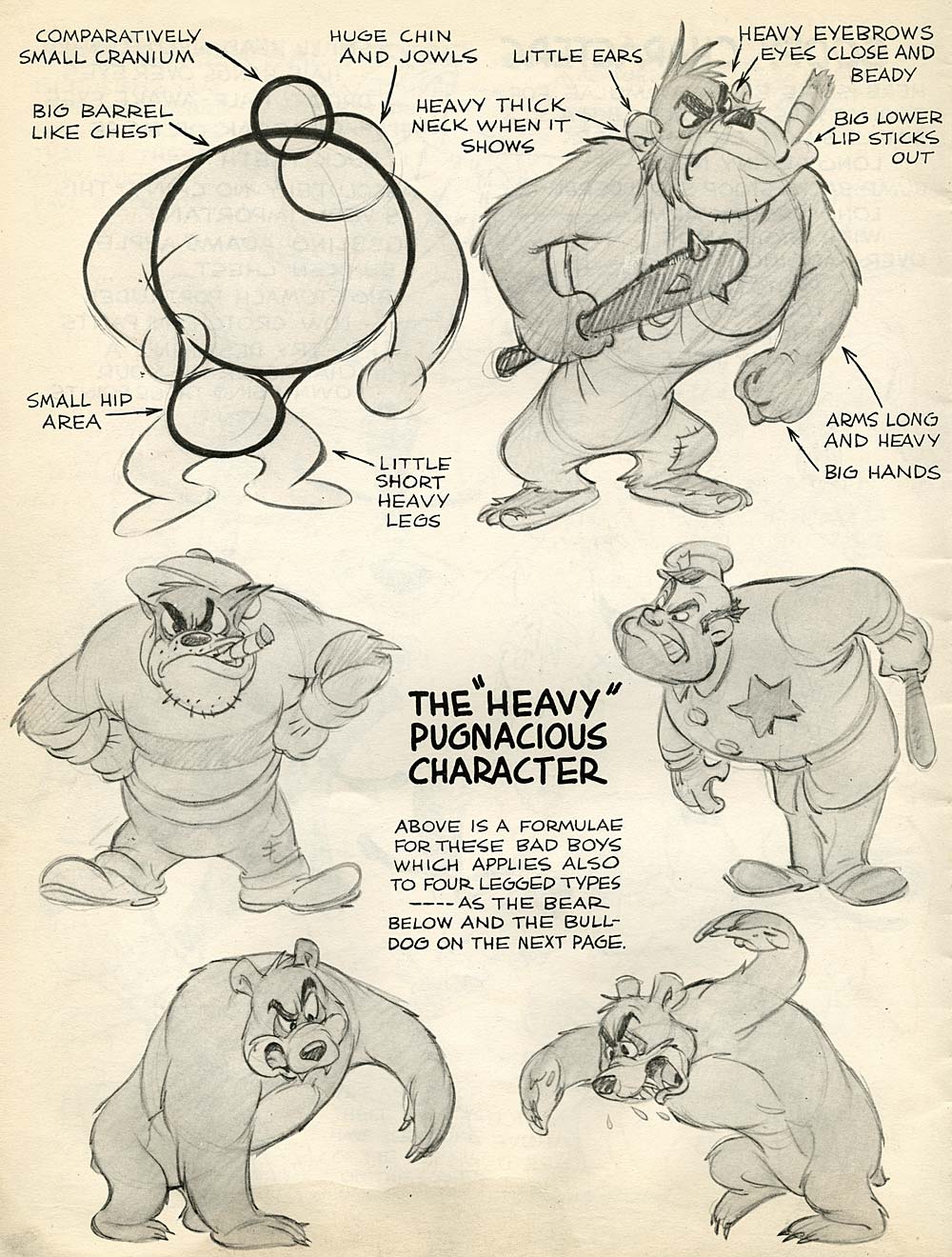
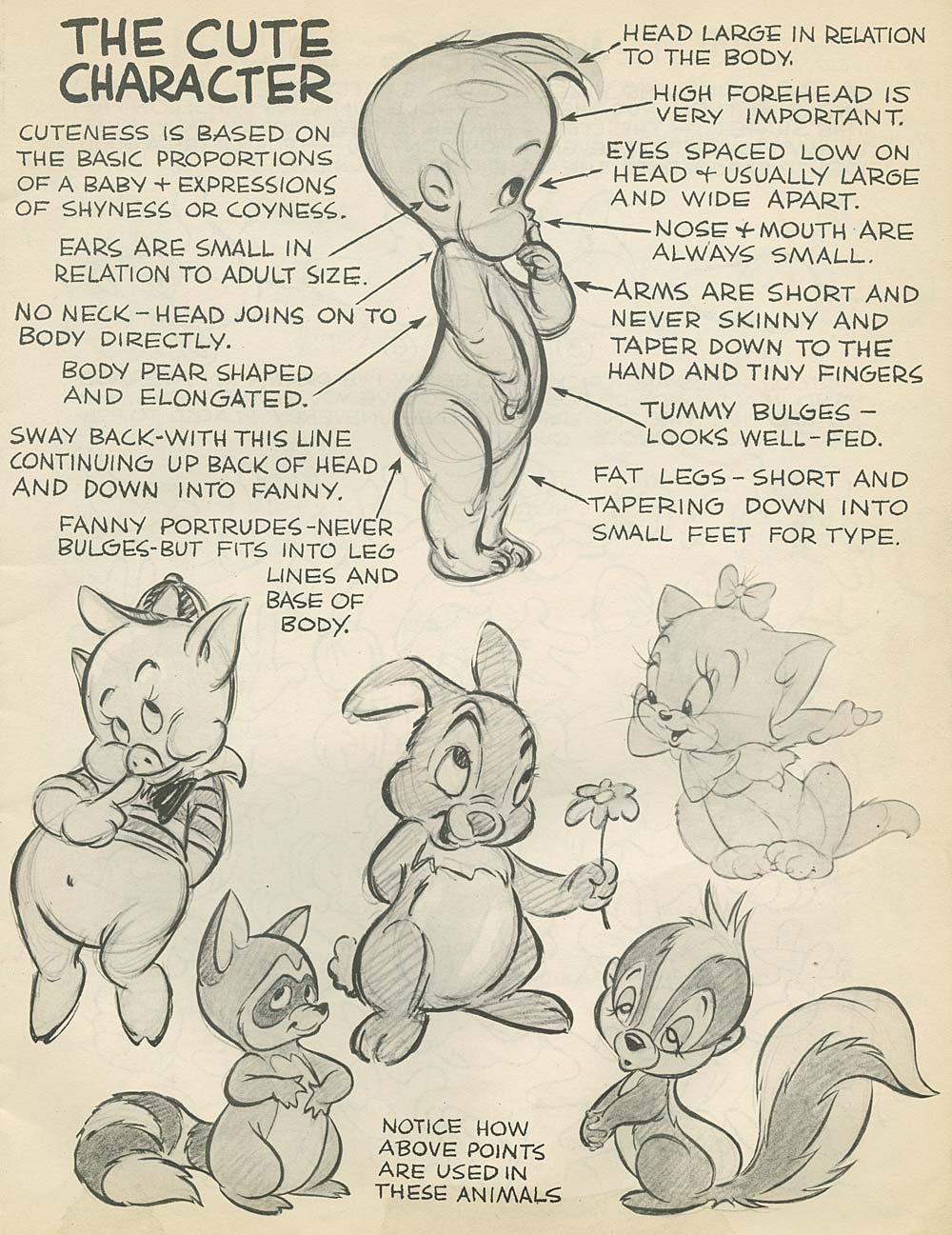
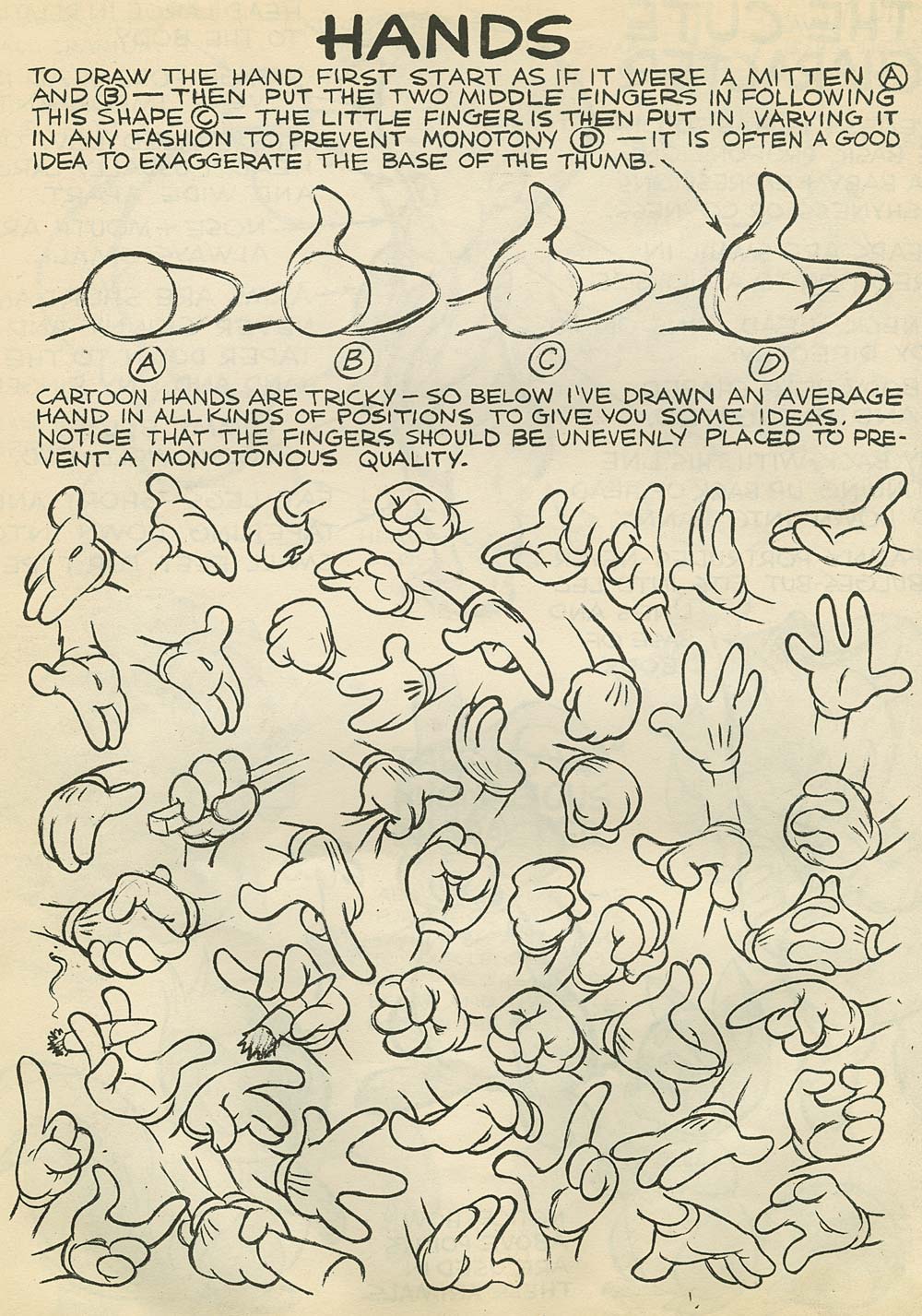
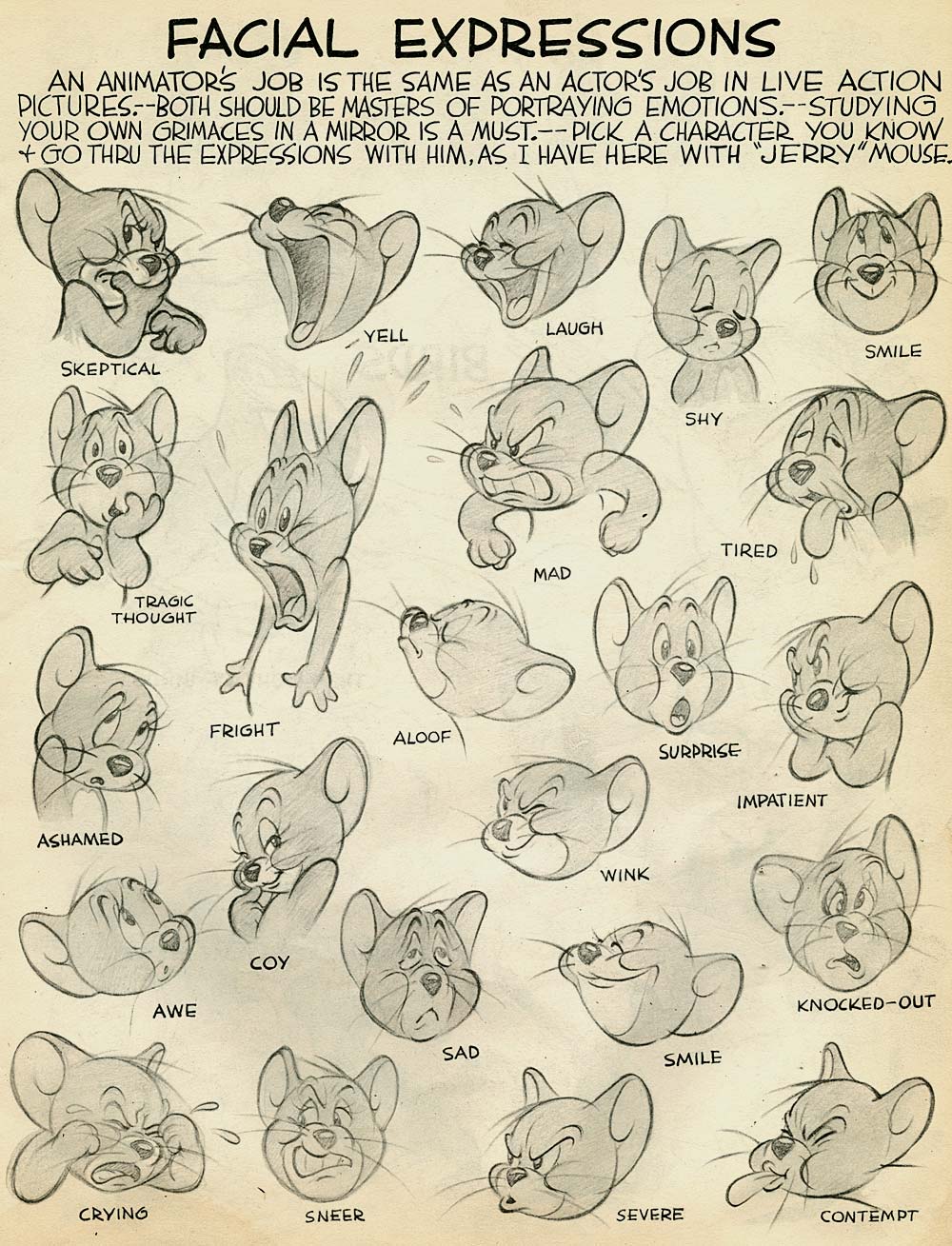
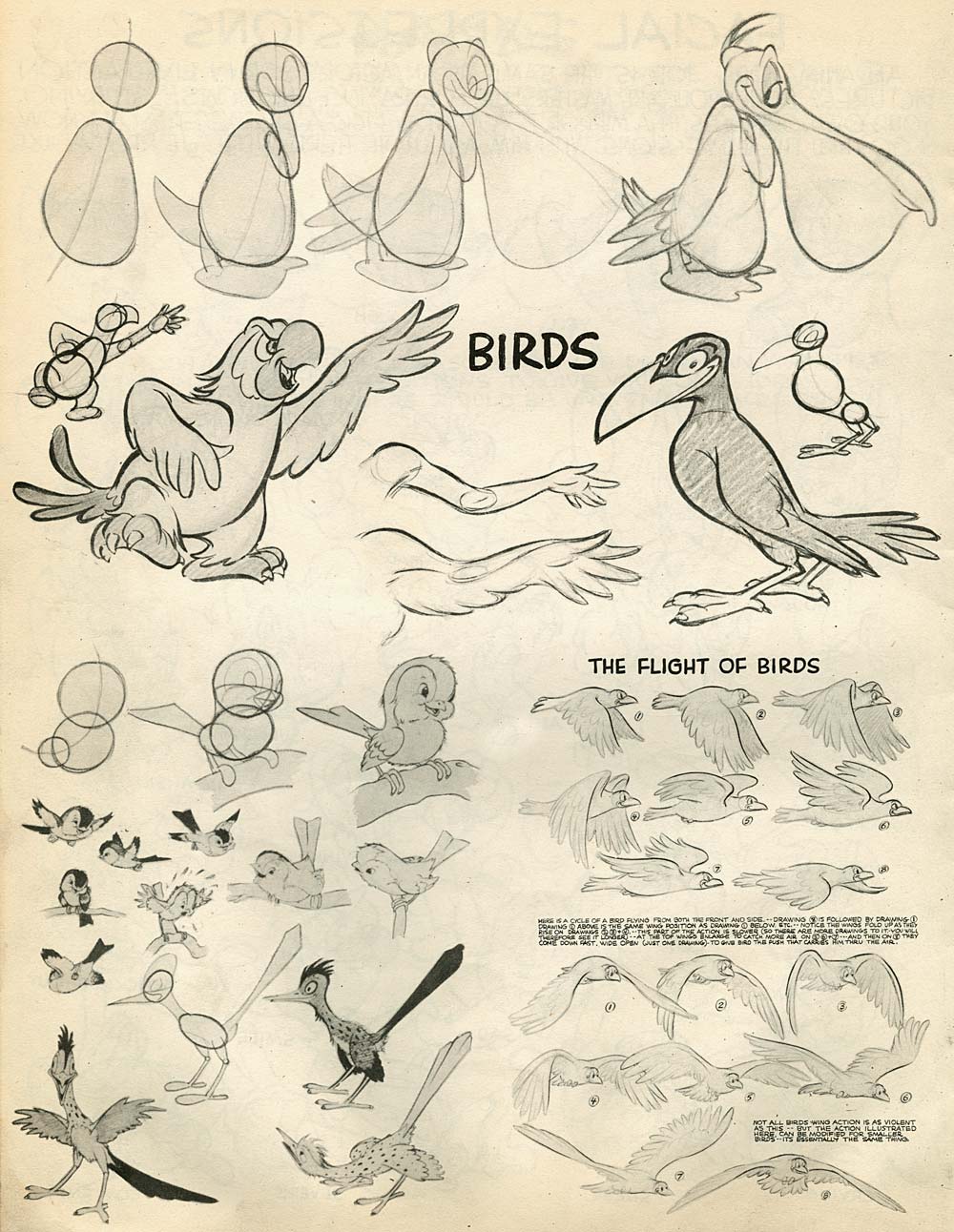
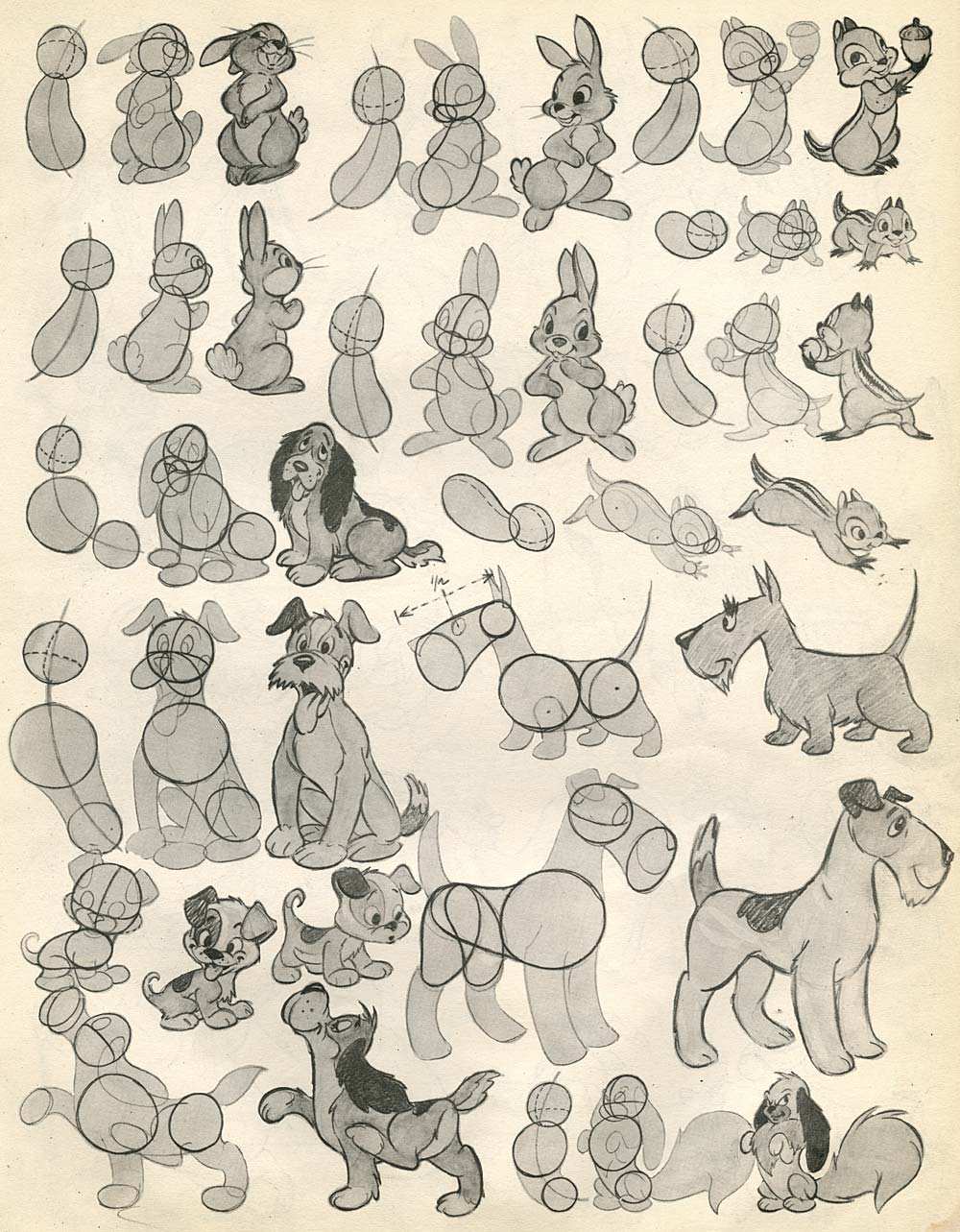
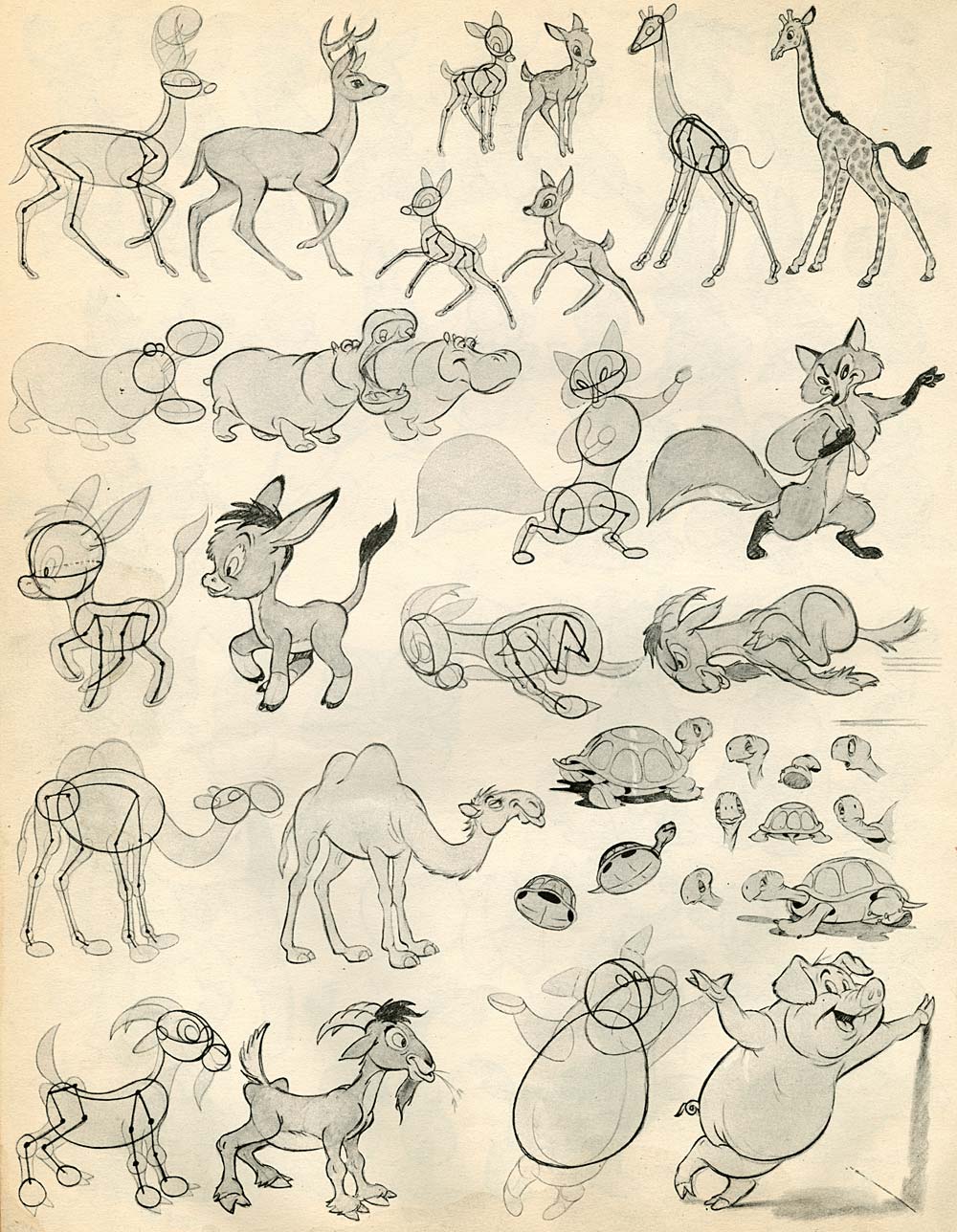
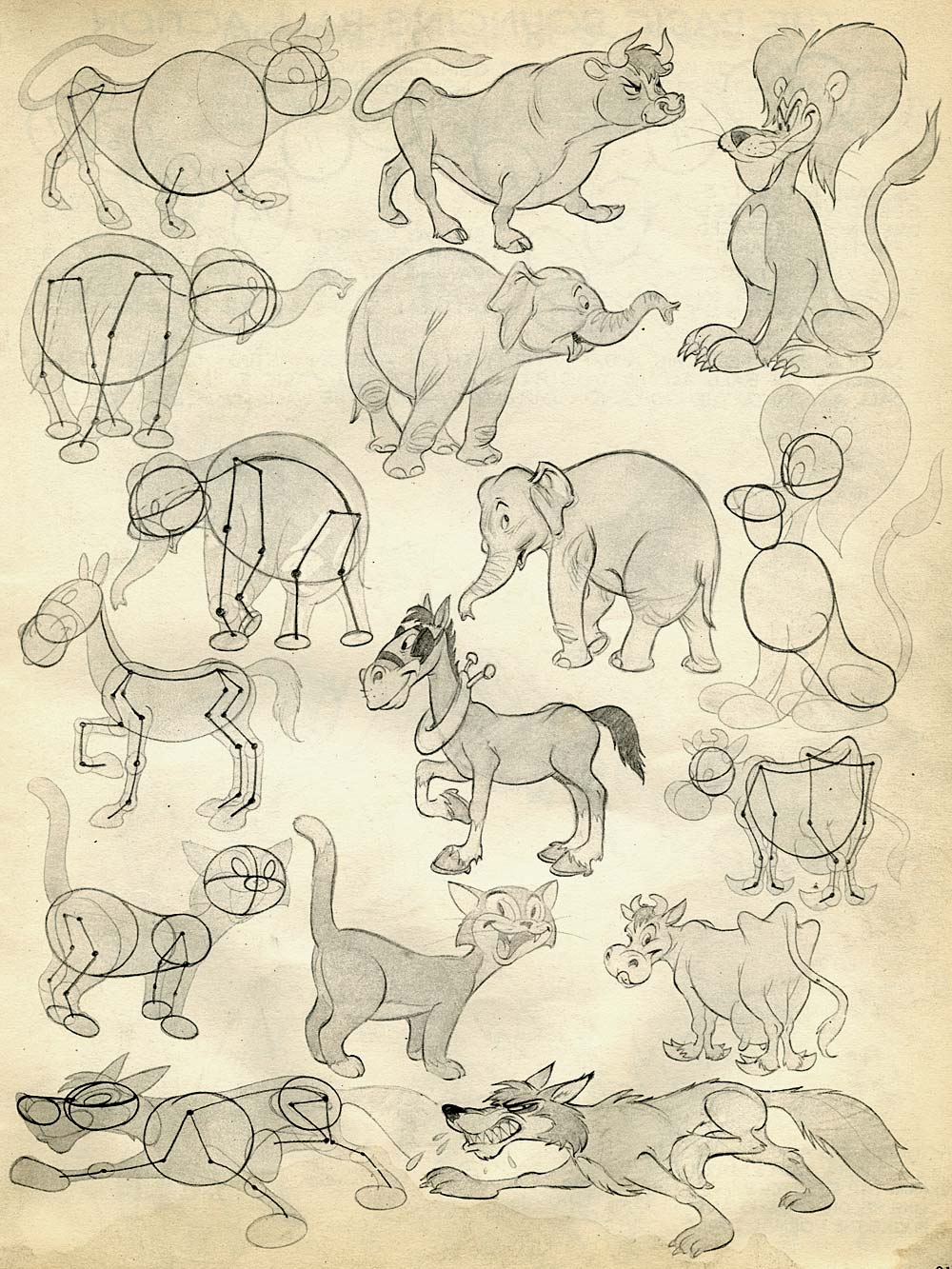
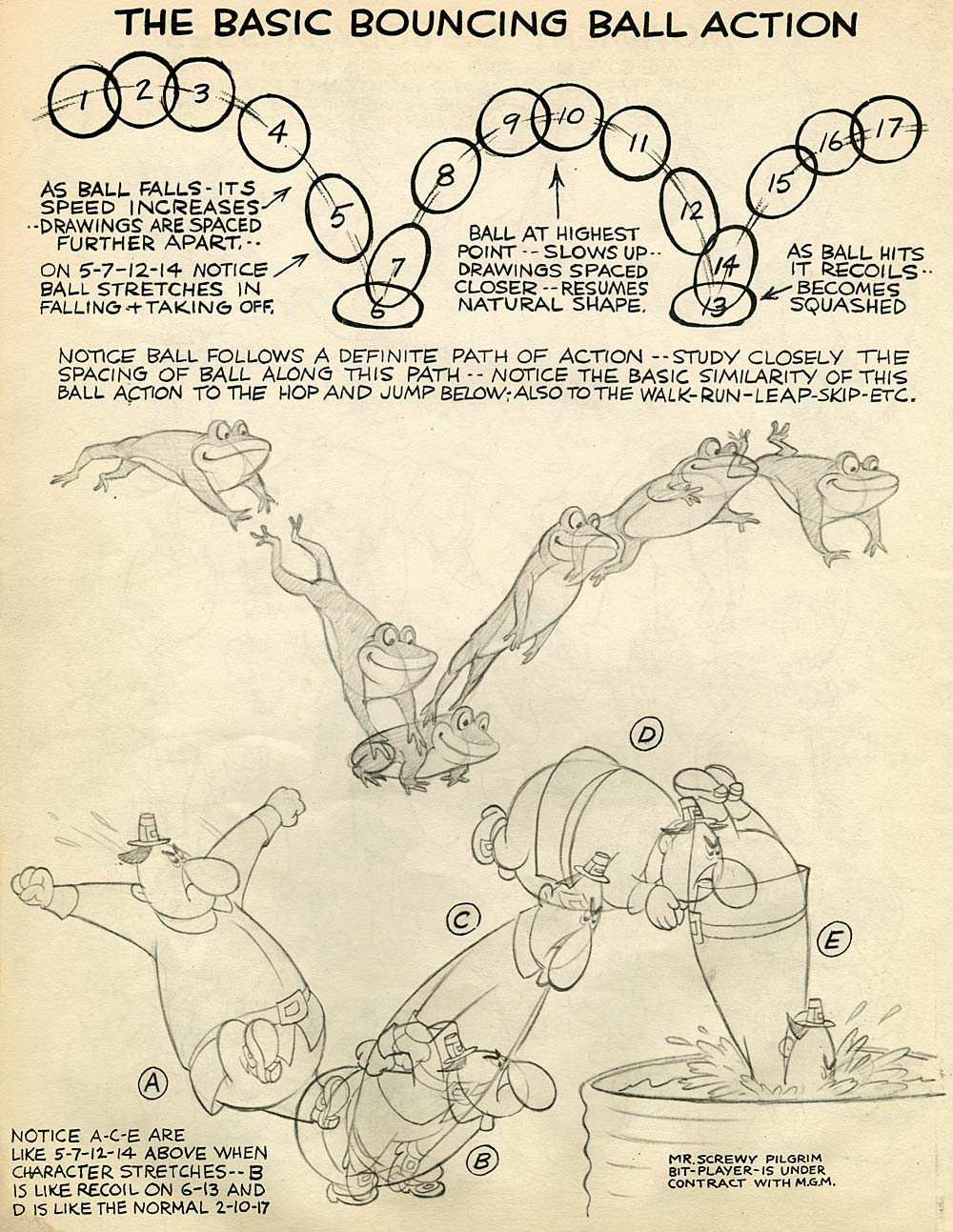
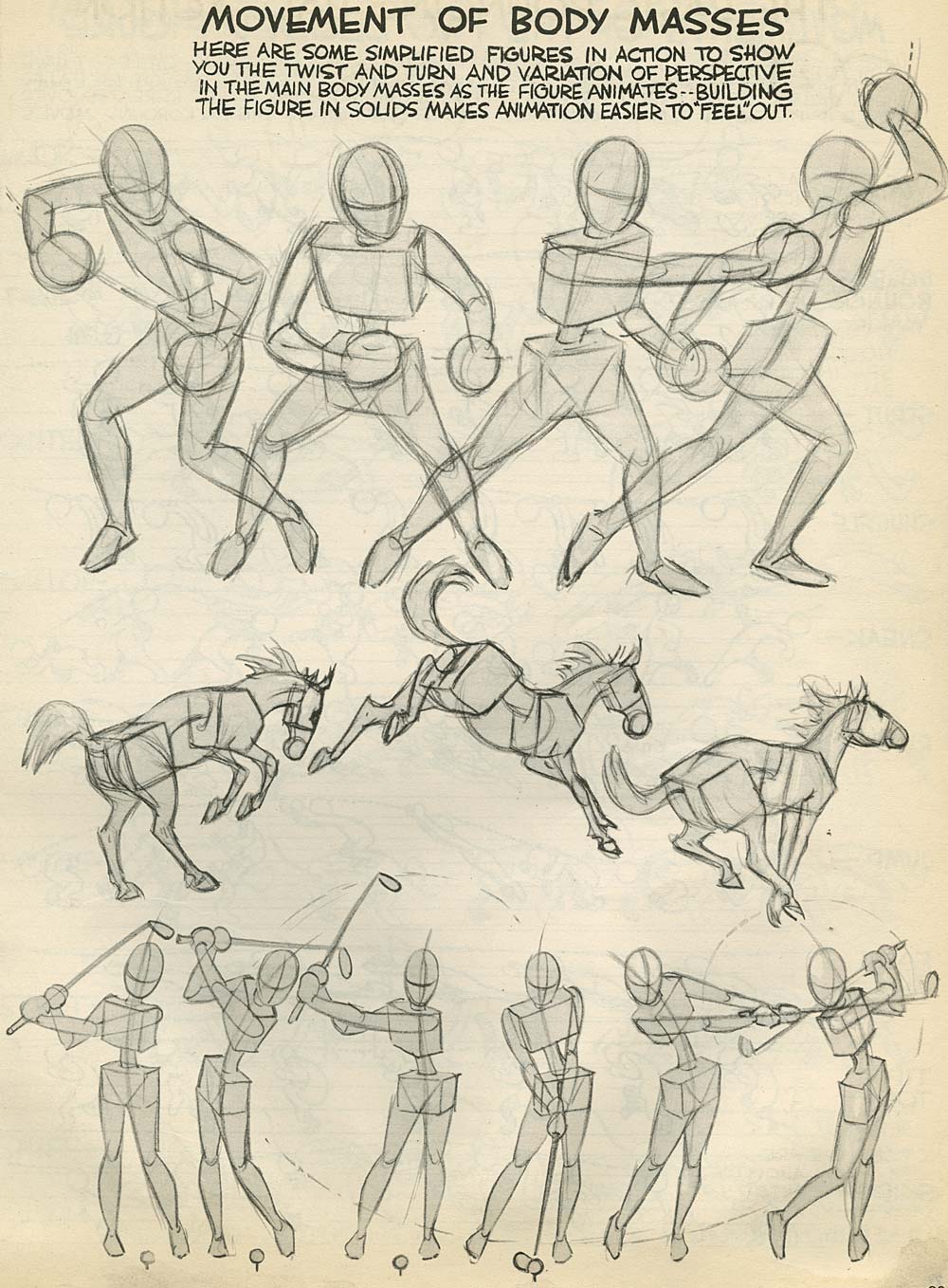
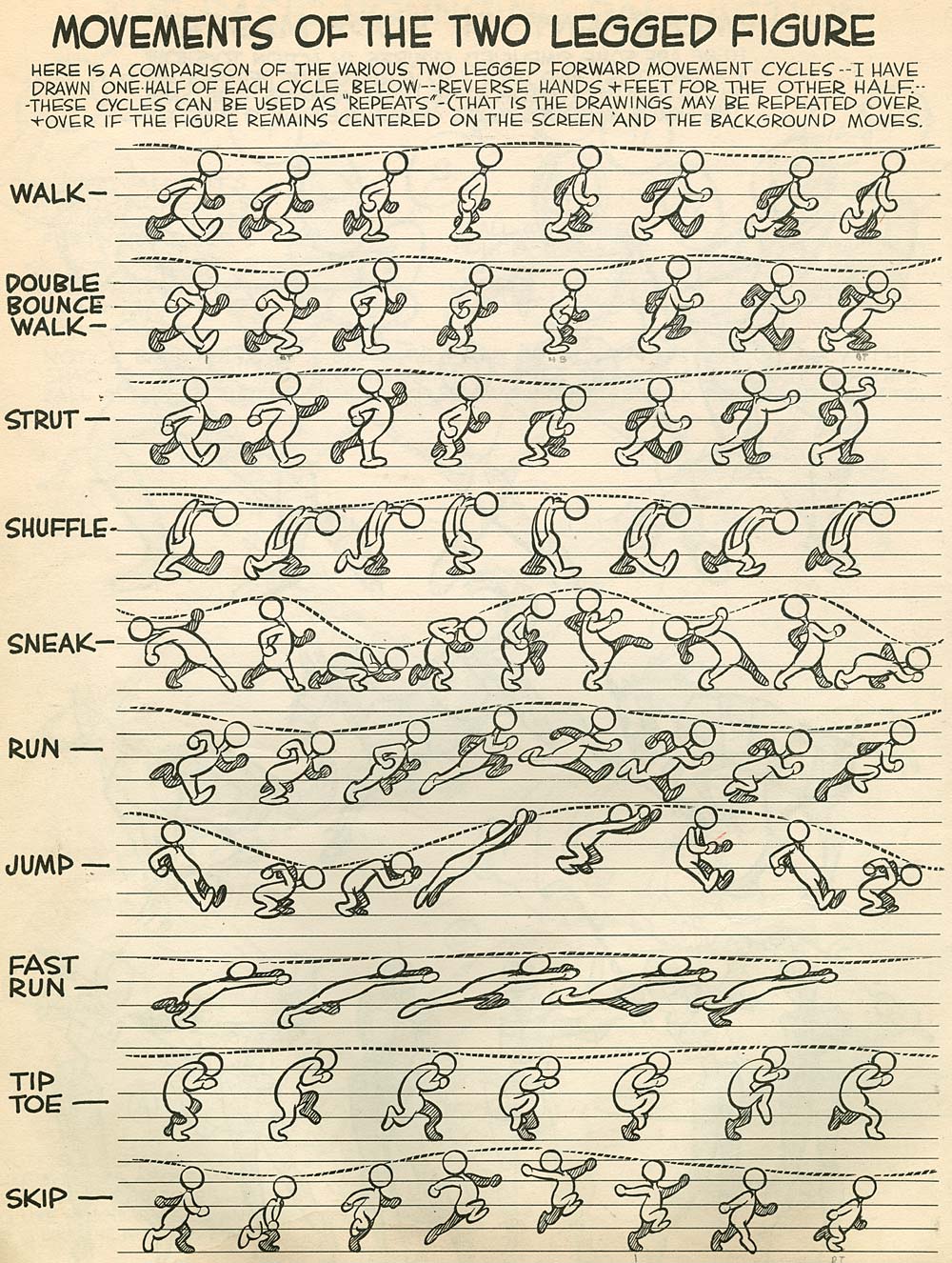
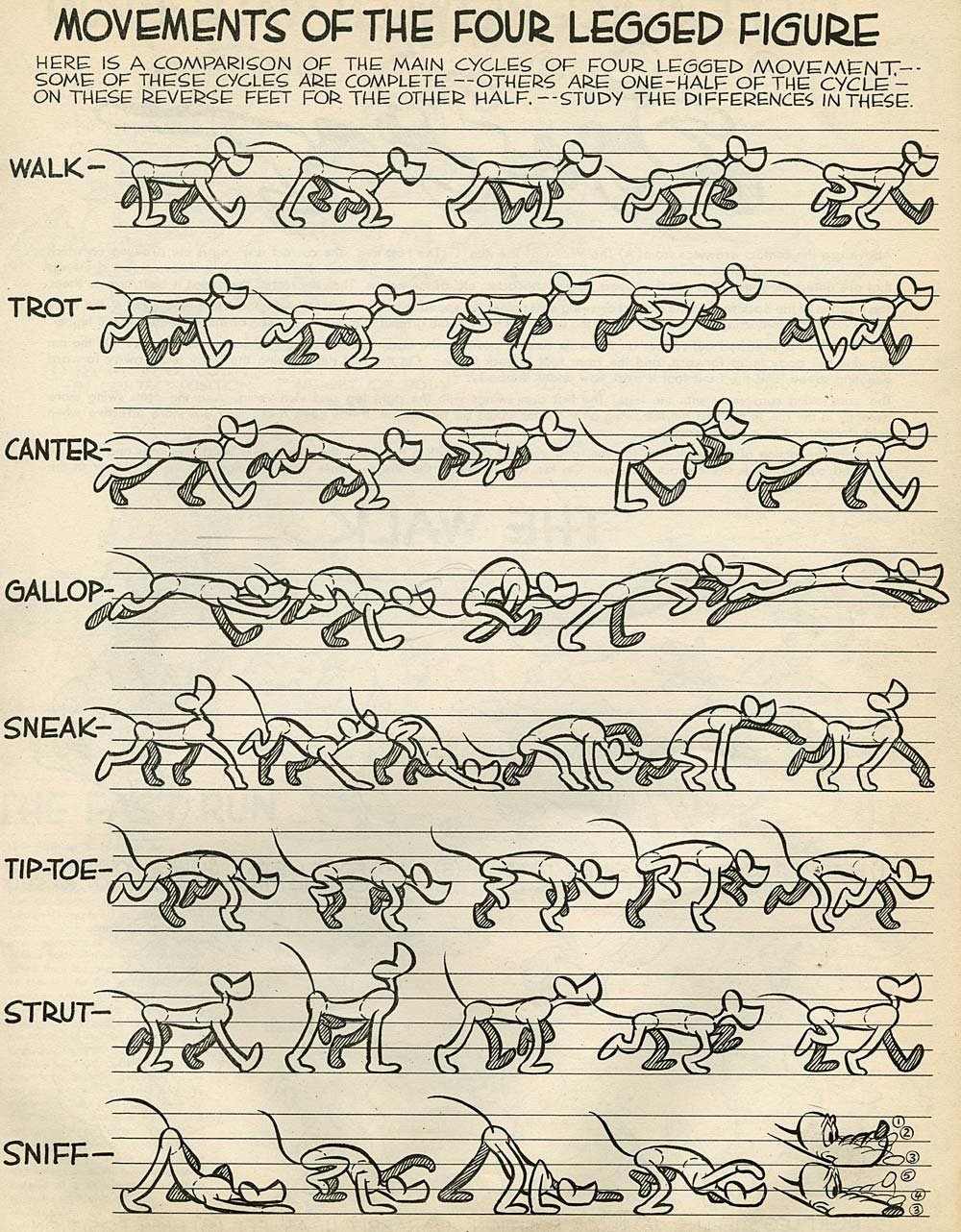
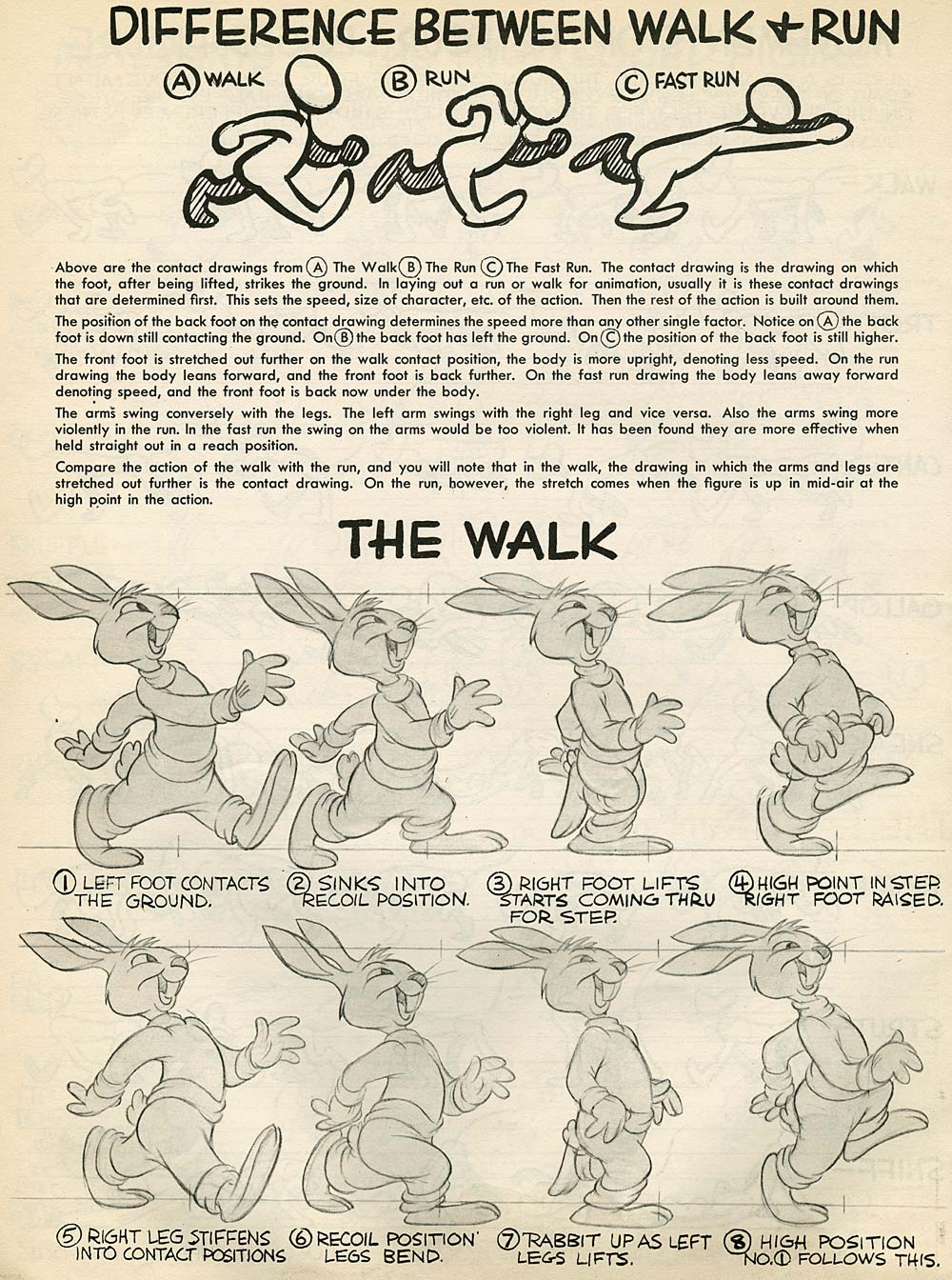
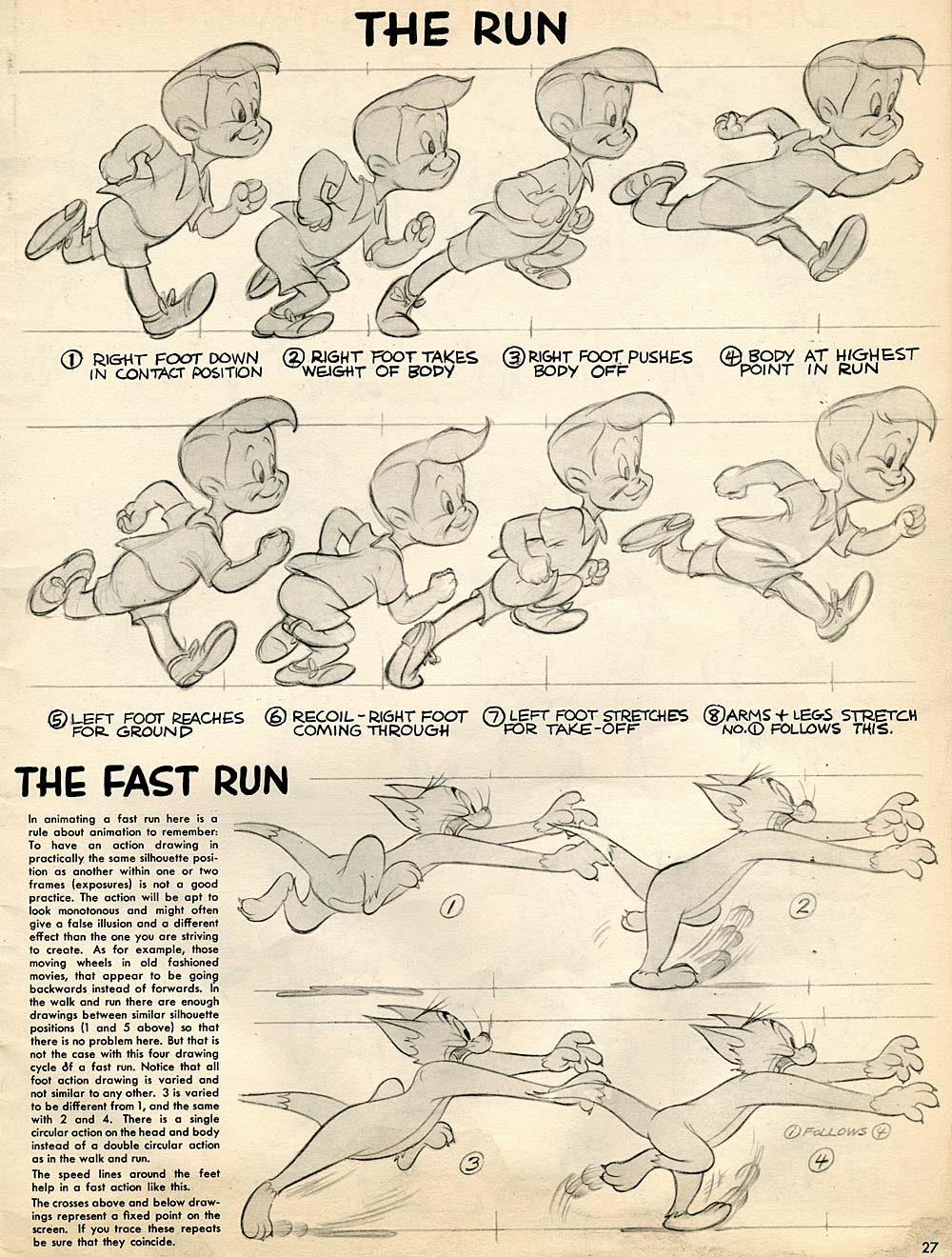
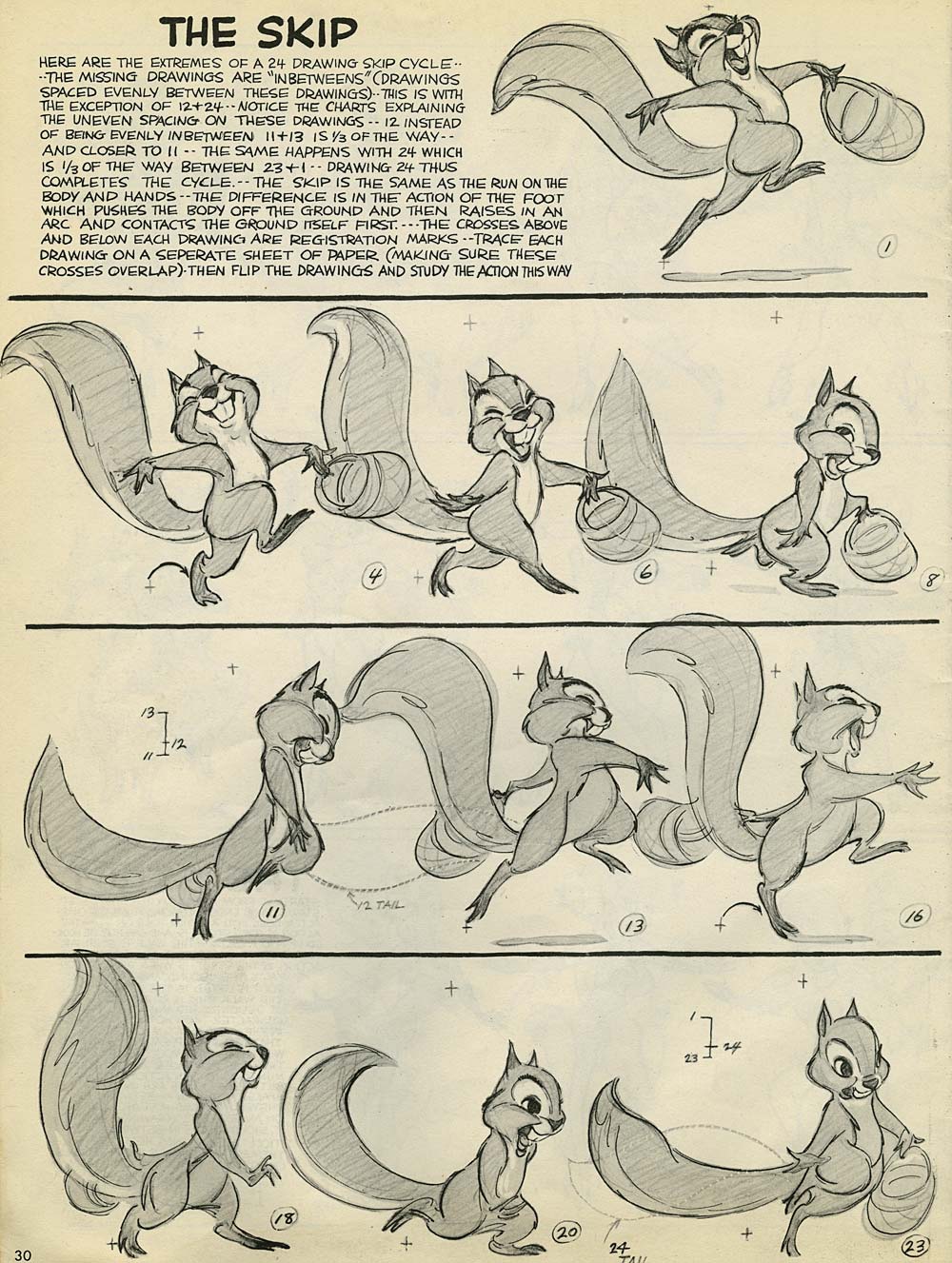
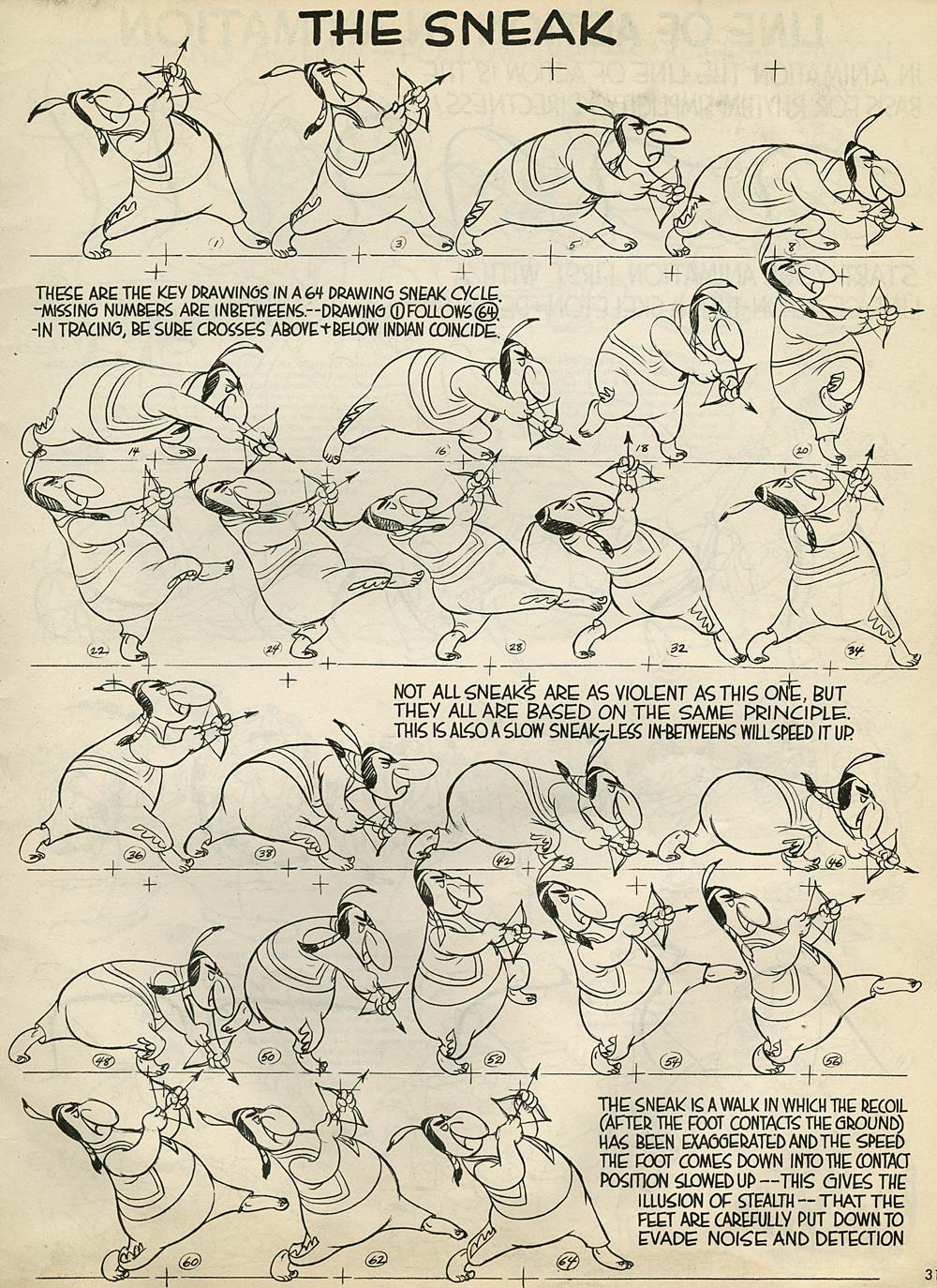
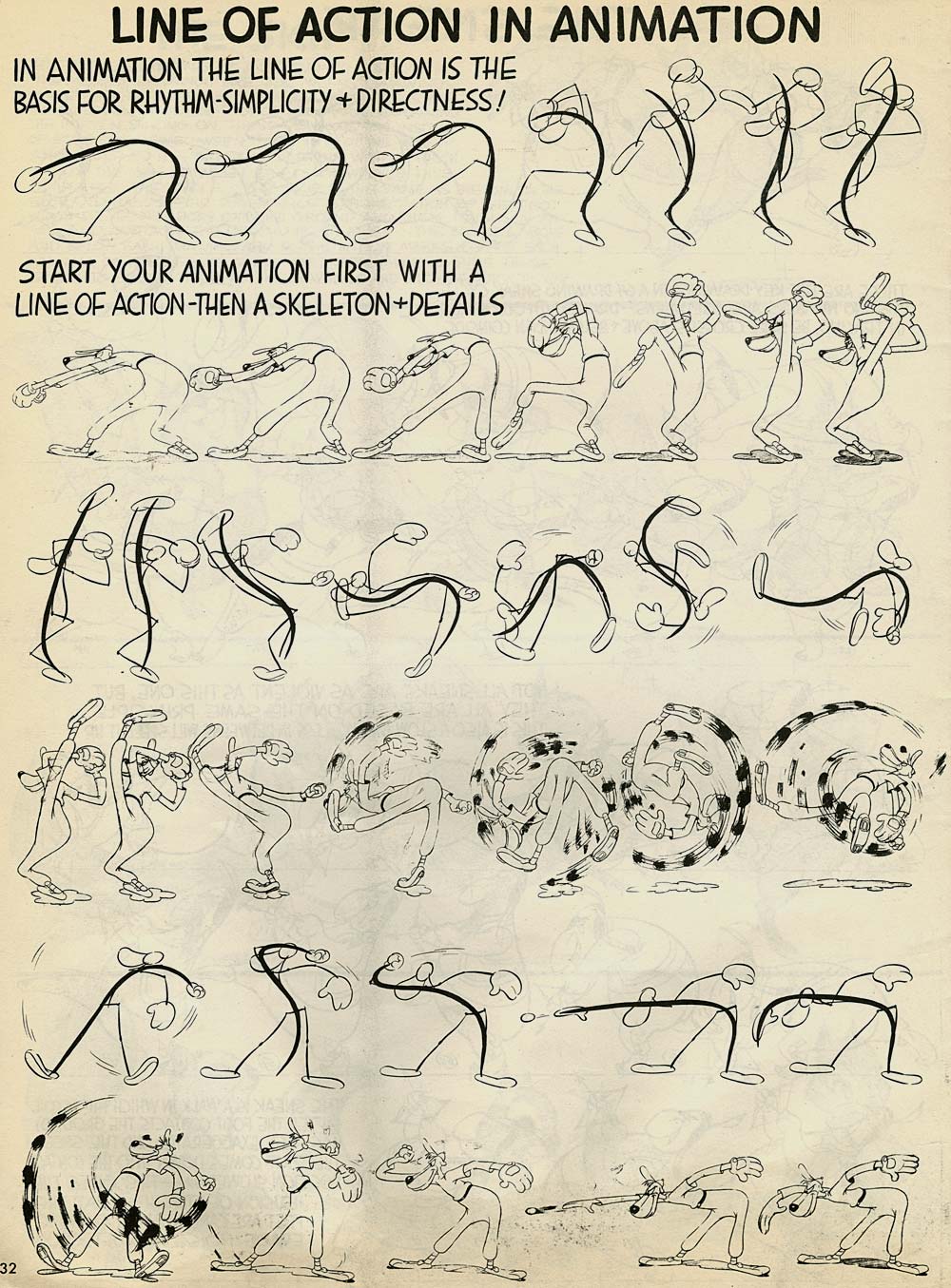
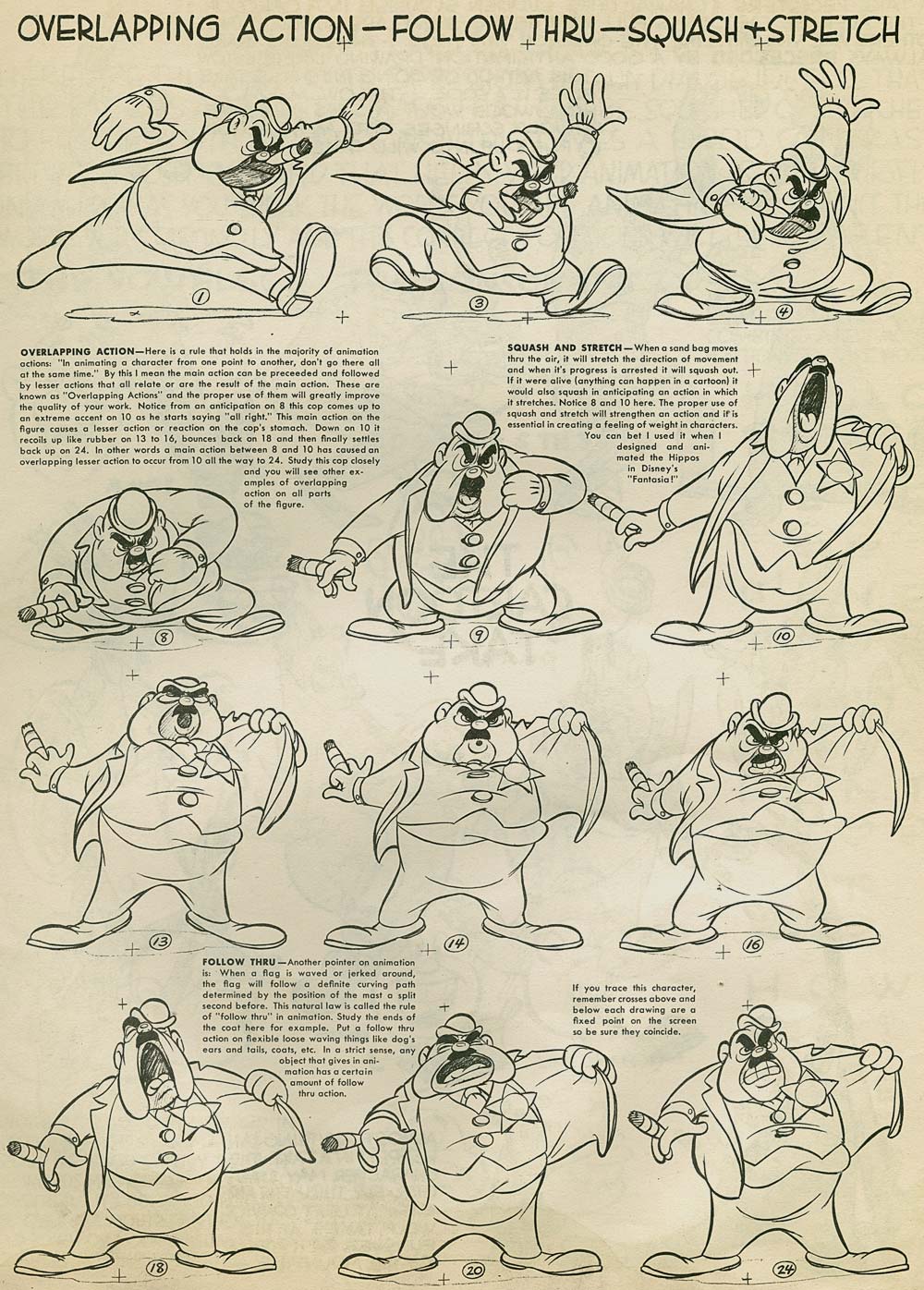
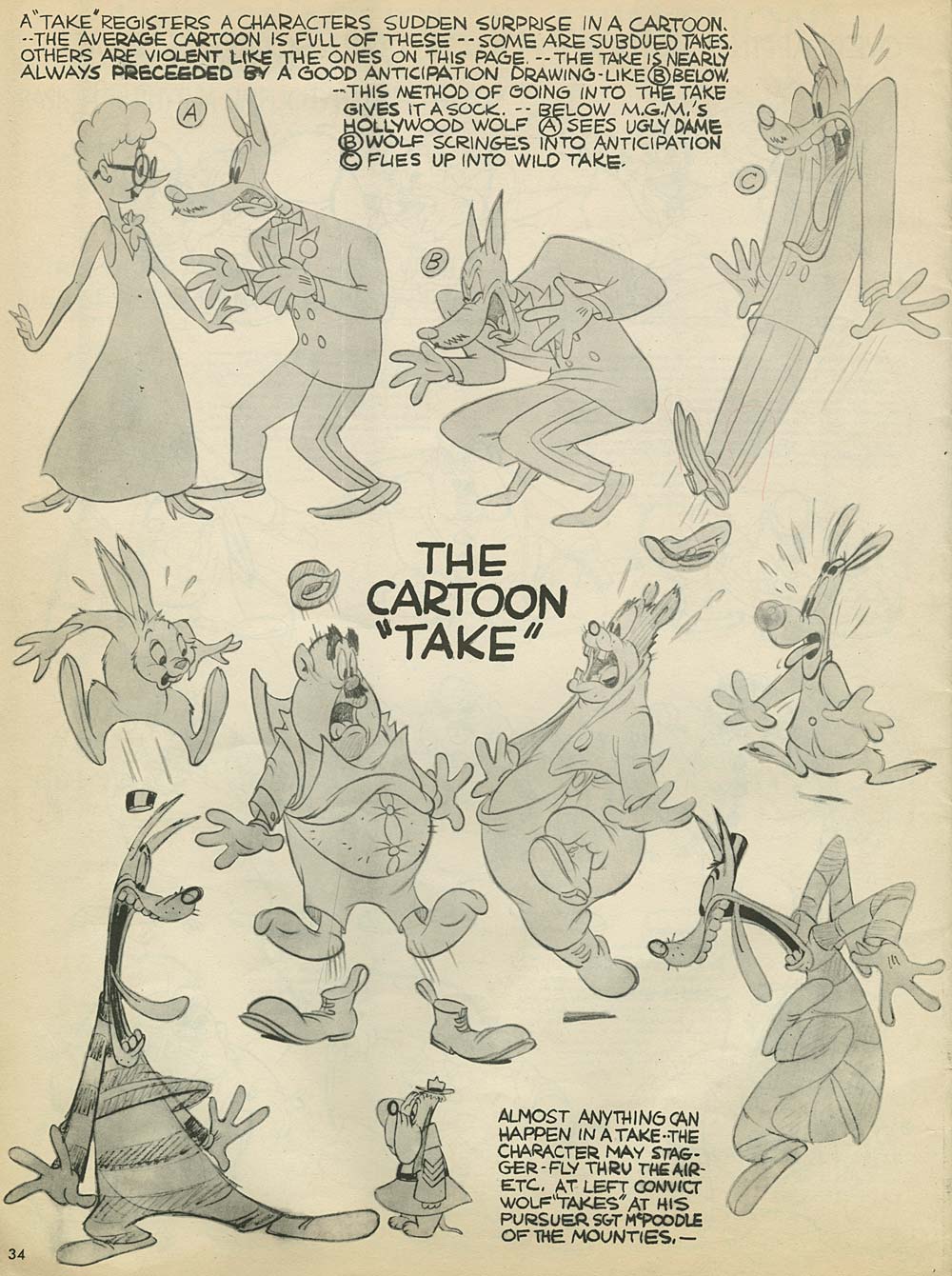
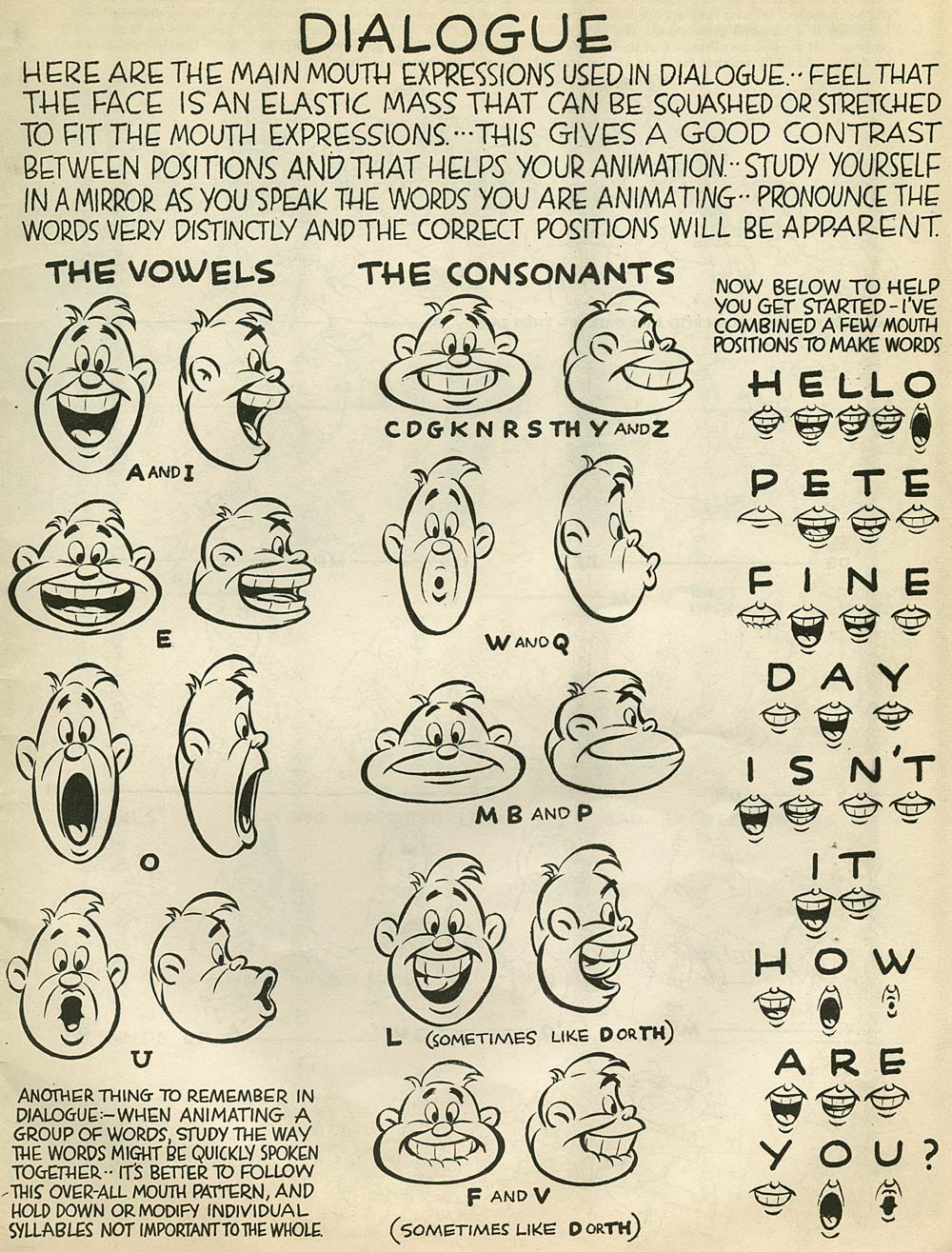
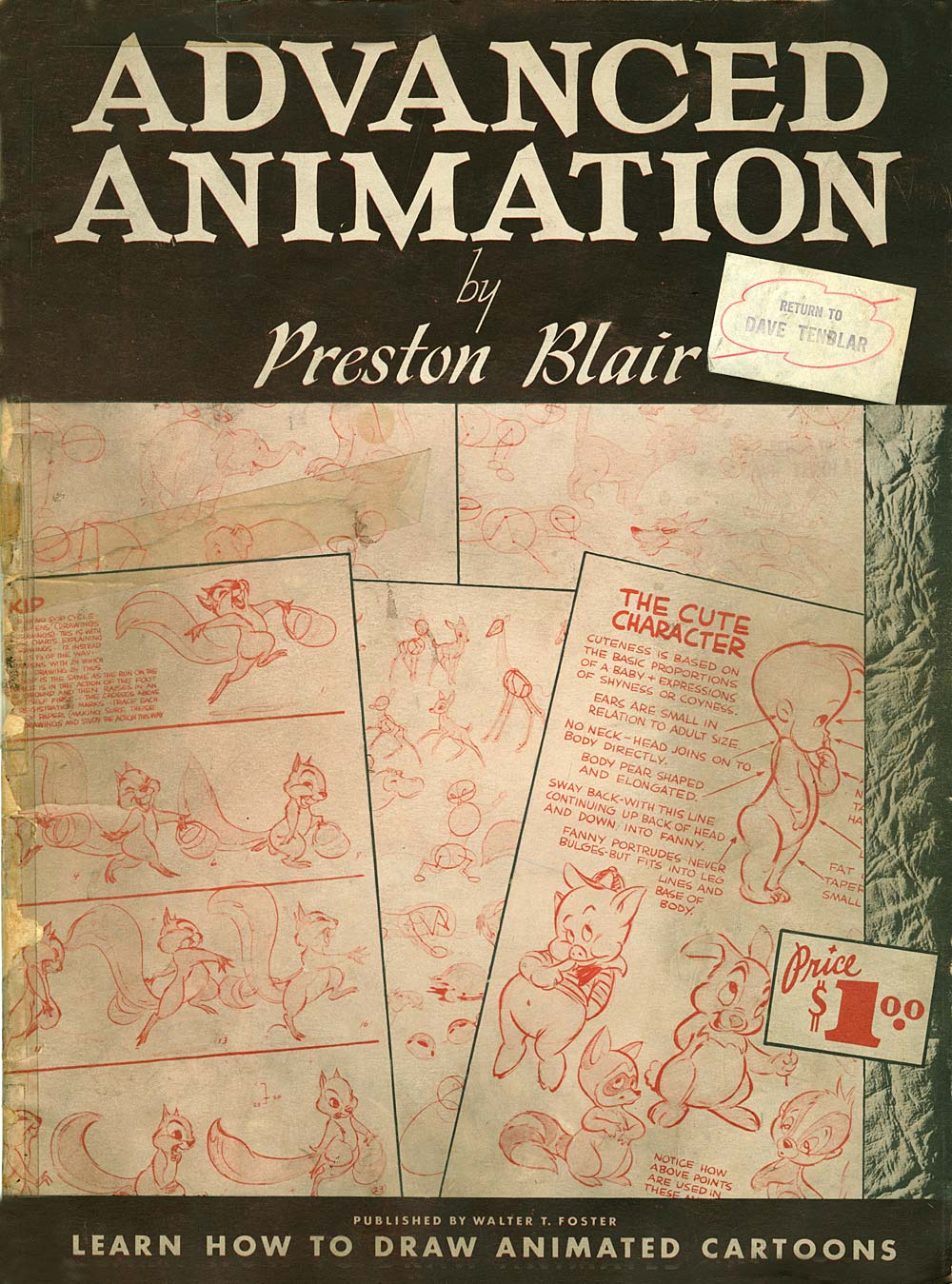
Preston Blair’s book “Advanced Animation” is one of the best books on the subject. It is the text Animation Resources’ drawing course is based upon. When Blair put the book together in 1947, he used the characters he had animated at Disney and MGM to illustrate the various basic principles of animation. Apparently, the rights to use some of the characters were revoked after the book was already in the stores. Publication was halted for a time, and he was forced to redraw most of the MGM characters, replacing them with generic characters of his own design. The revised edition went on to become a classic, and the first edition was forgotten.

Preston Blair BookPreston Blair BookTo participate in this online drawing course, you will need to get a copy of Preston Blair’s Animation (Book 1).You can order the revised edition through this Amazon link, or you should be able to find it at your local art store. Below is a link to a PDF of the rare first edition we will be using for our examples in this course. This PDF is set up so you can take it to your local copy shop and have them print it out on 11 x 17 paper. You should have a paper copy of the book to work with. Below the link to the PDF are JPEGS of all of the pages from the first edition of Advanced Animation.


Preston Blair’s Advanced Animation PDF
Download Page
PDF File / 26 Pages / 22.5 MB Download
To download, RIGHT CLICK on the link (Mac users OPTION CLICK)
and select SAVE TO DISK.
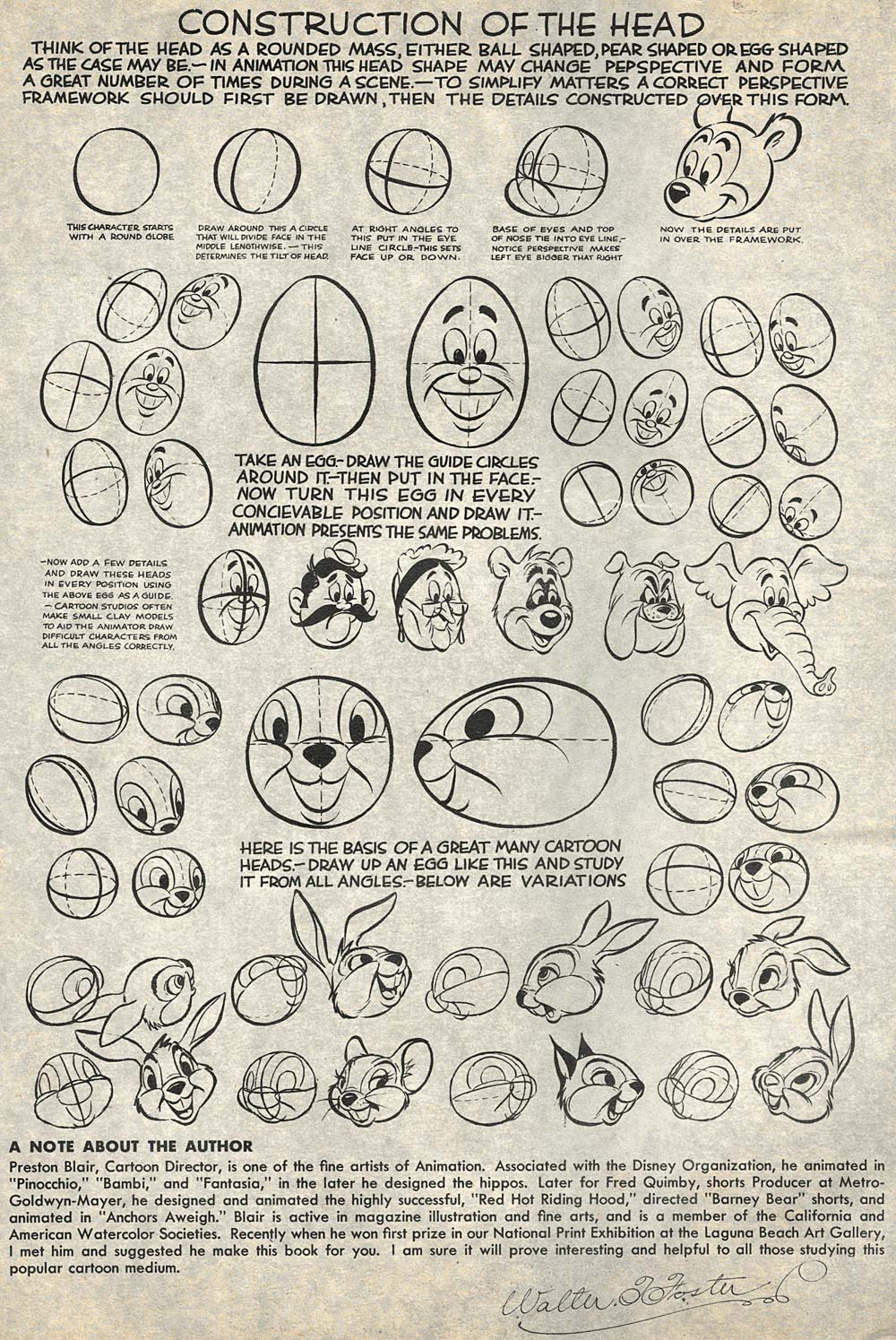
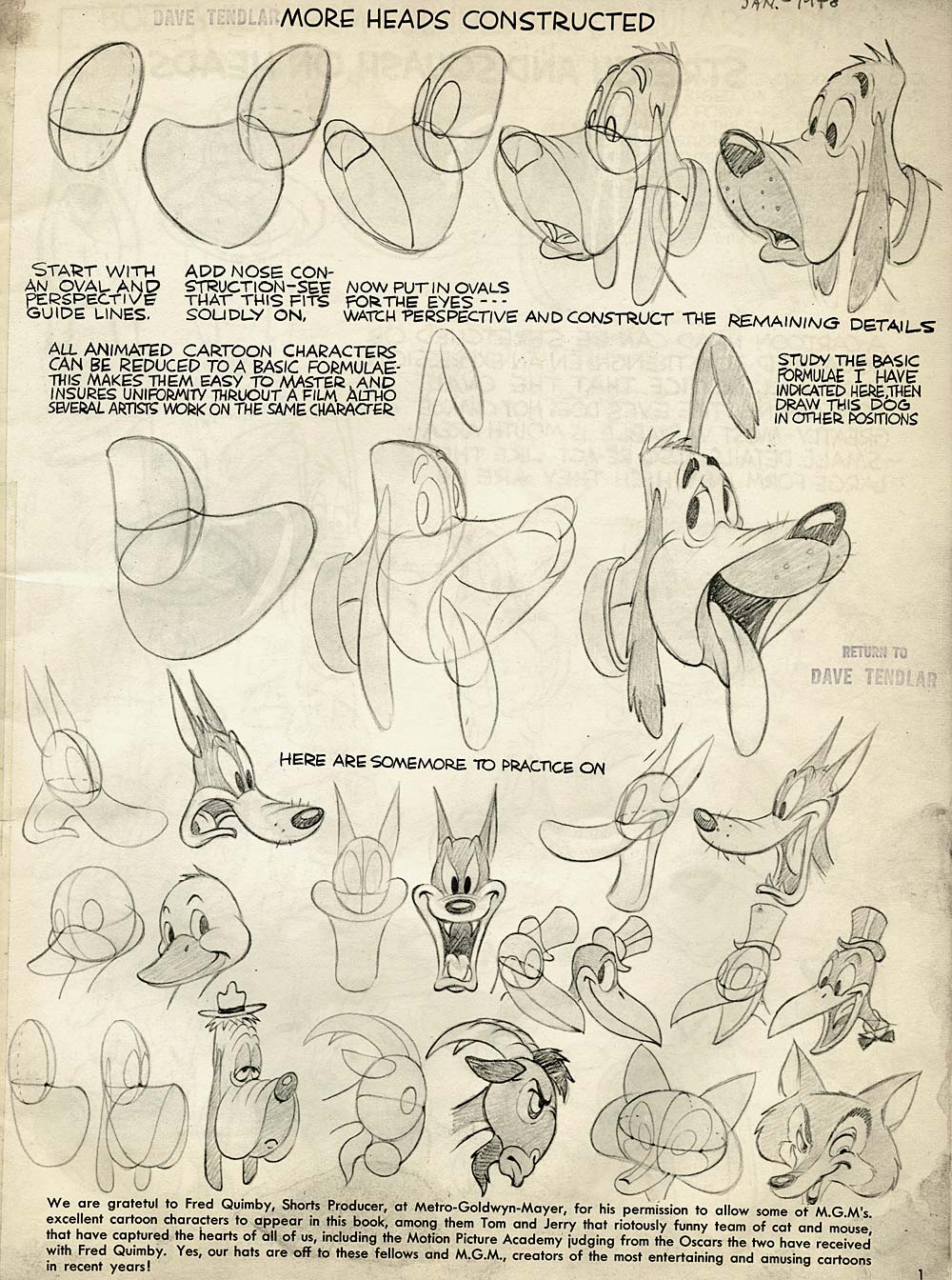
Preston Blair
Preston Blair
Preston Blair
Preston Blair
Preston Blair
Preston Blair
Preston Blair
Preston Blair
Preston Blair
Preston Blair
Preston Blair
Preston Blair
Preston Blair
Preston Blair
Preston Blair
Preston Blair
Preston Blair
Preston Blair
Preston Blair
Preston Blair
Preston Blair
Preston Blair
Preston Blair
Preston Blair
Preston Blair
Preston Blair
Preston Blair
Preston Blair
Preston Blair
Preston Blair
Preston Blair
Preston Blair
Preston Blair
Preston Blair
Preston Blair
Preston Blair
Preston Blair

Here are a couple of comments about Preston Blair’s book from animation professionals…

"I began making animated films while I was a student at Santa Barbara Junior High School many, many years ago. The only text book I had was Preston Blair’s animation book. Honestly, it was all I needed to get started. I can’t remember how many copies of this book I’ve purchased over the years to give to young kids with an interest in animation. The book is pure gold." Floyd Norman

"A lot of young artists look at the Preston Blair book as some sort of archaic and old-fashioned irrelevant text. Almost as though learning these lessons will ruin their “style”. This of course is the folly of youth. The ability to draw like Preston Blair, using all the tips in the book gives you the strength to do ANYTHING." Nick Cross

"Many thanks on your posting of the original version of the Preston Blair animation book. If that’s not worth a contribution to your cause, nothing is. Keep up the good work." Paul Dini

If you don’t have Preston Blair’s book yet,

ORDER IT NOW!

No cartoonist should be without it.

Stephen Worth
Director
Animation Resources
INSTRUCTIONINSTRUCTION

This posting is part of an online series of articles dealing with Instruction.

FacebooktwitterredditpinterestlinkedinmailFacebooktwitterredditpinterestlinkedinmailby feather
Share on Tumblr

Posted by Stephen Worth @ 3:30 pm
October 19th, 2012

Members Click Here Membership Email Join Us!

Creative League Halloween Party Oct 20th: Mario Bava’s Black Sunday!

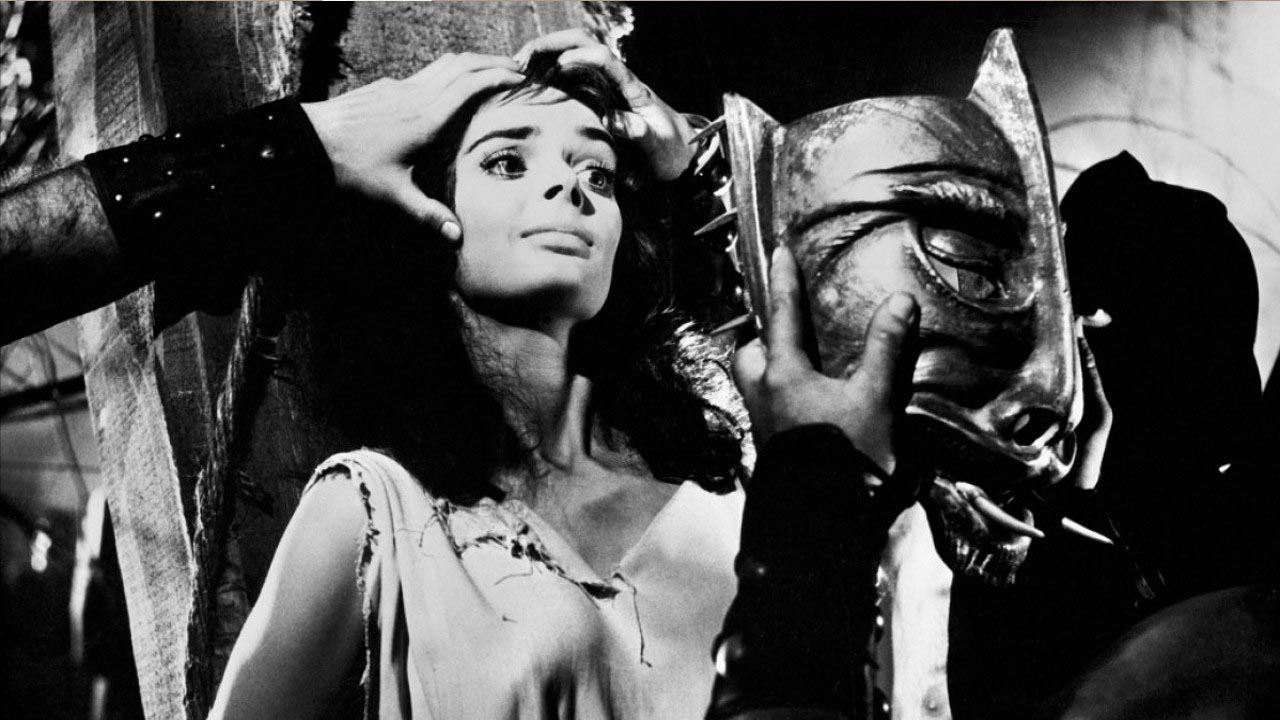
Black Sunday Mario Bava

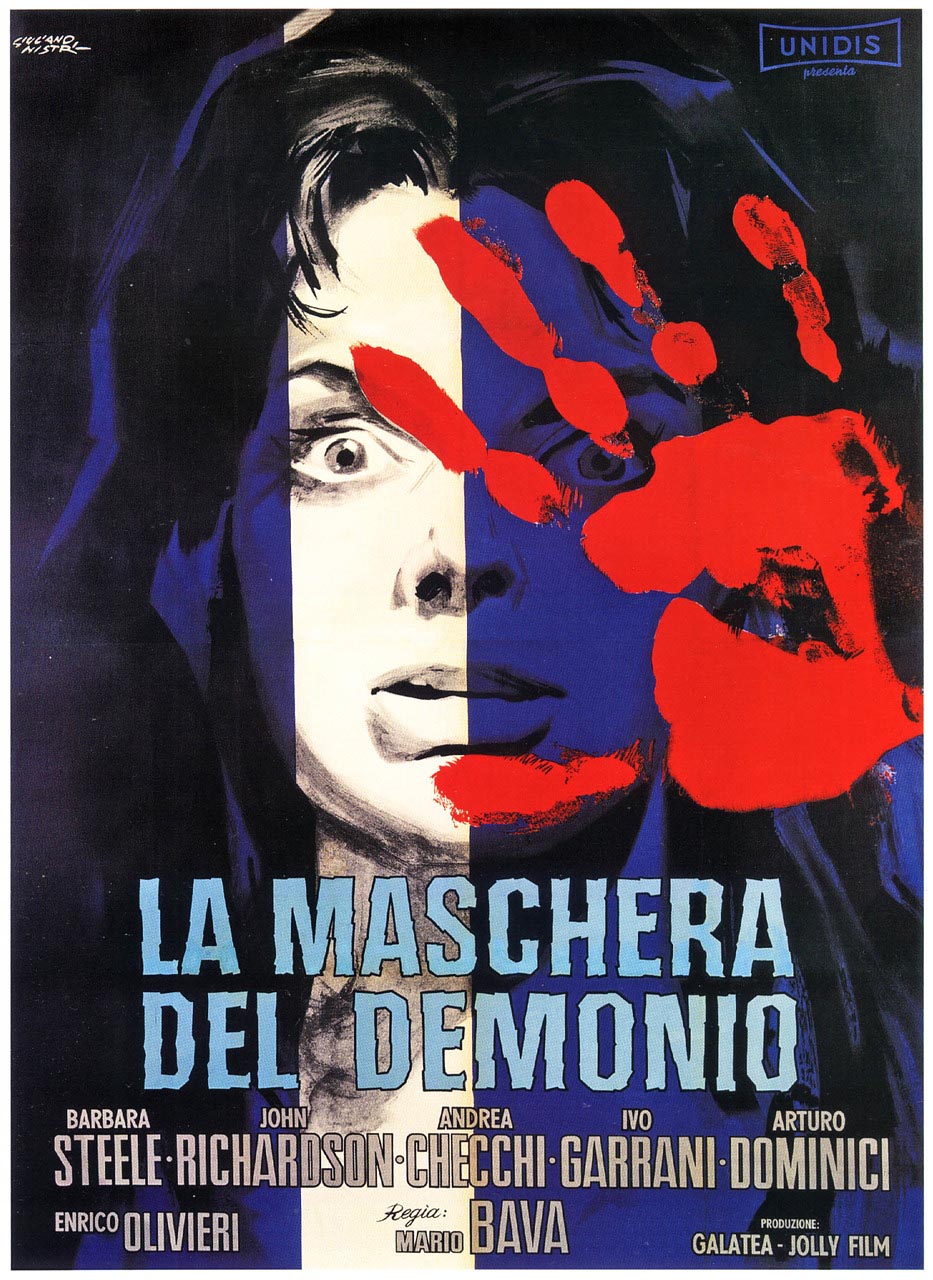
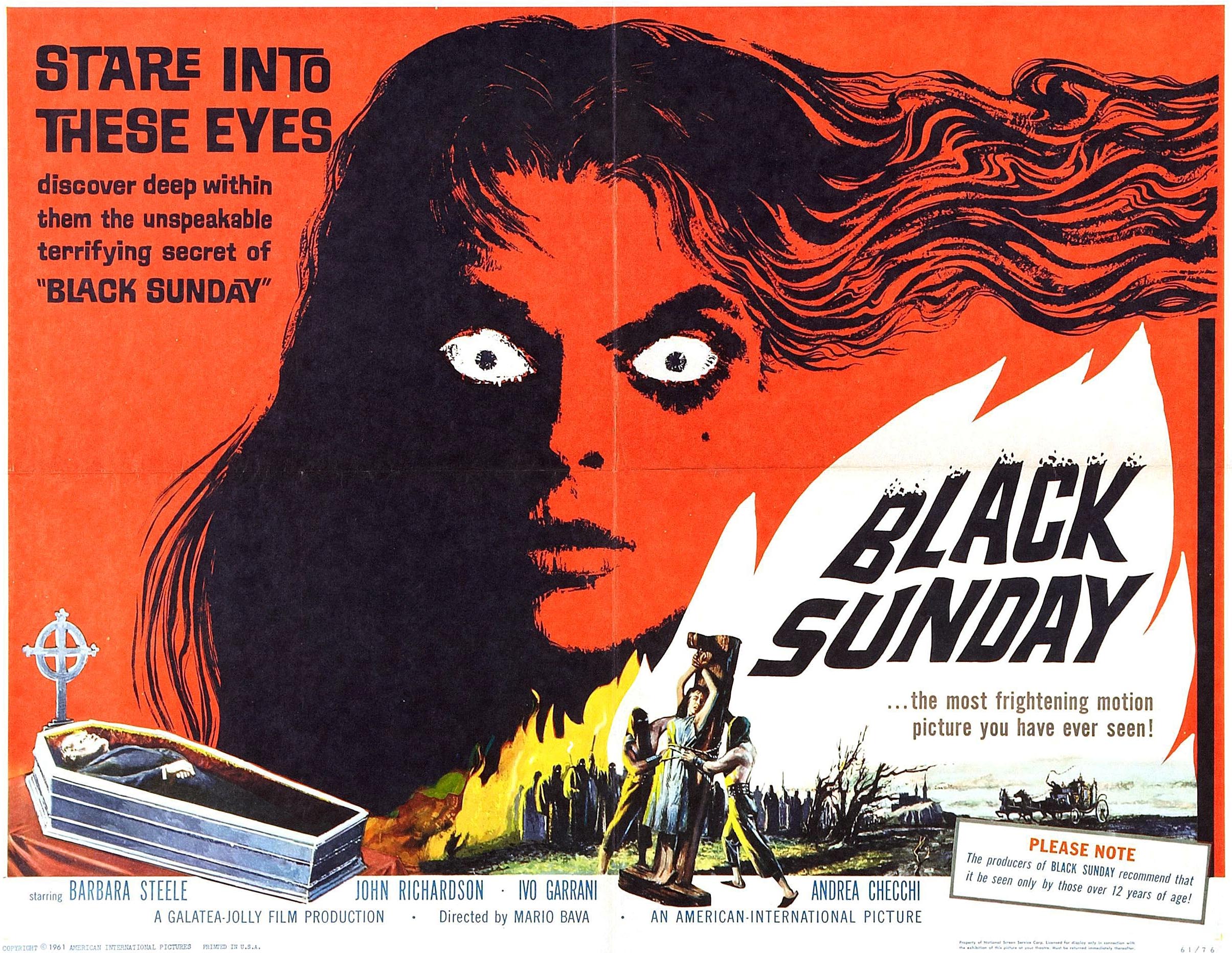
Horror movies are often suspenseful, atmospheric, creepy or scary, but they aren’t usually truly horrific. Mario Bava’s “Black Sunday” (aka “Mask of Satan”) is the exception. It is all of the above, but most of all, it is genuinely horrifying.

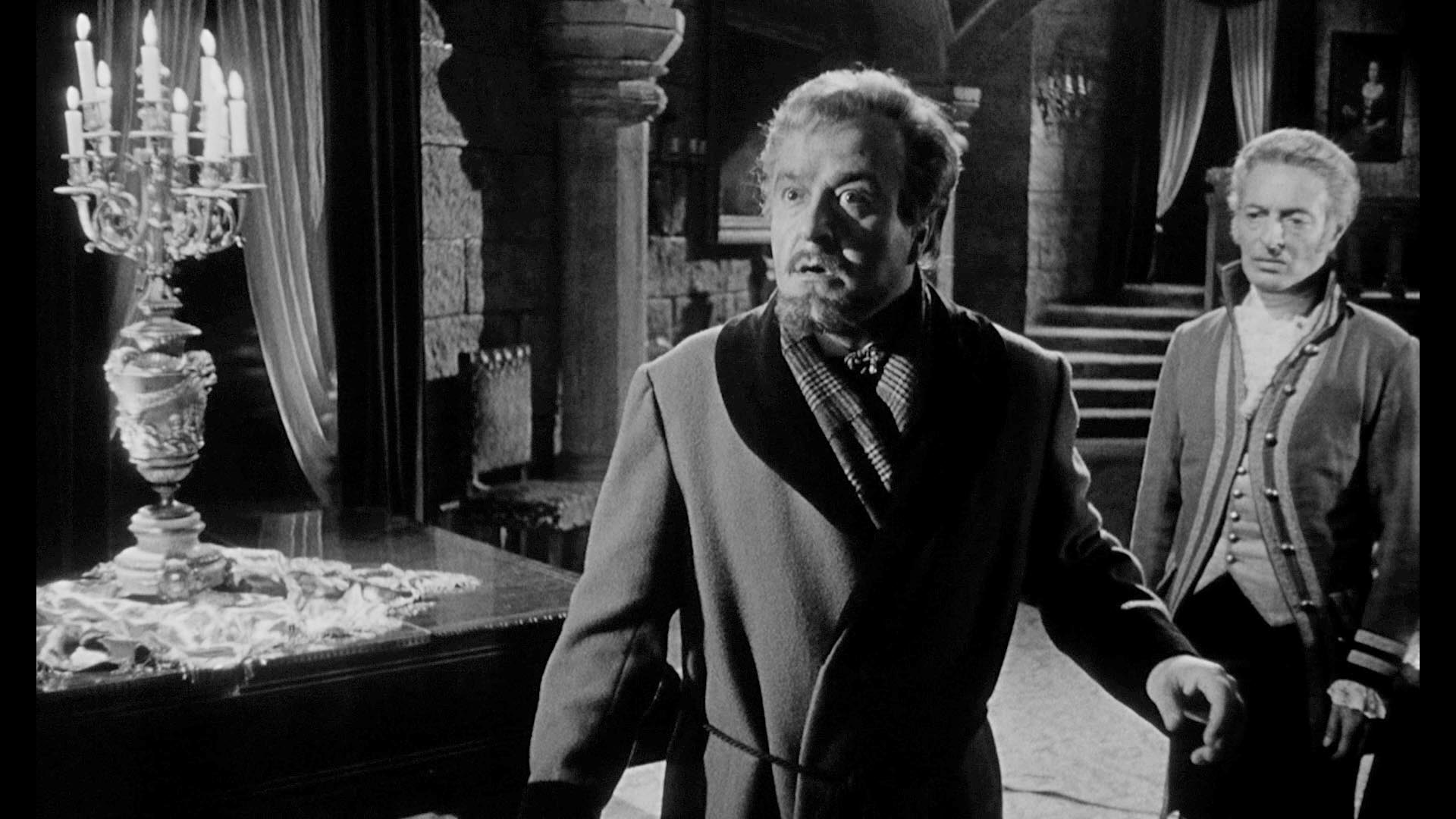
Black Sunday Mario Bava

BLACK SUNDAY
Saturday October 20th, 2012 7:30pm
Animation Creative League Screening Room
Pacoima, CA

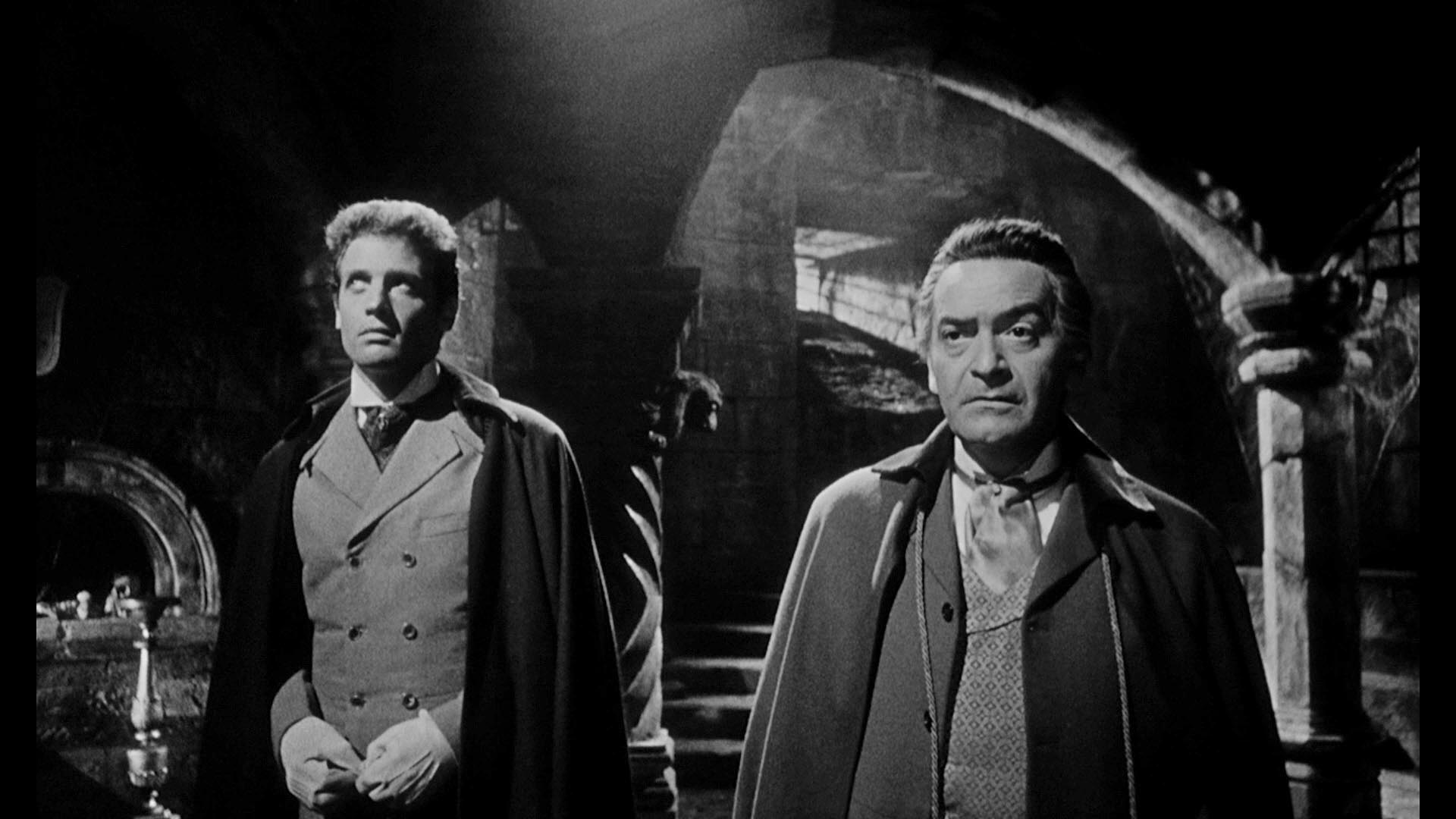
Black Sunday Mario Bava
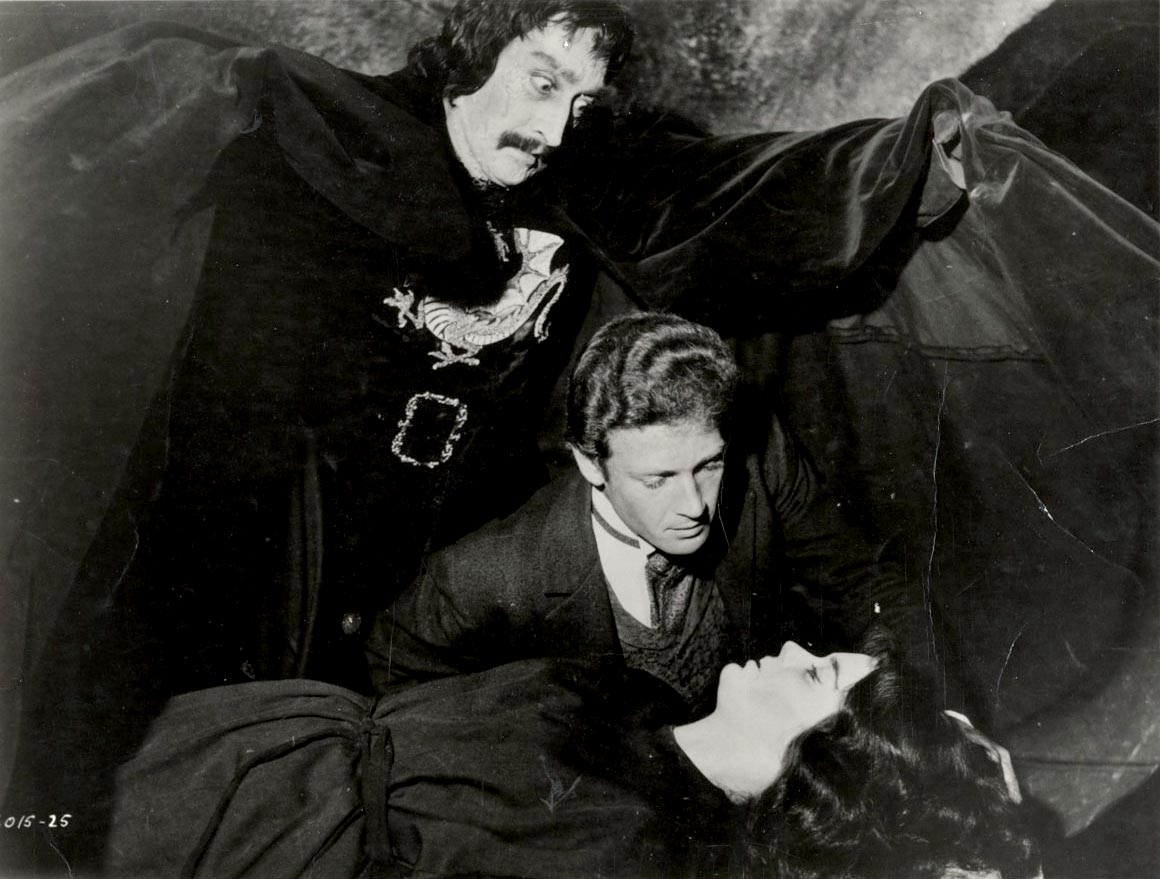
Mario Bava and Barbara Steele on the set of “Black Sunday”.

“Black Sunday” was Bava’s first film, and today it is seen as the transition point between old school monster movies which depended on atmosphere and modern horror pictures which rely on shock. Considered extremely grusome upon original release, the film was banned in England and was censored in the US. It has gone on to become one of the most successful independent horror films of all time, making a star of the lead actress Barbara Steele, and launching Mario Bava’s career as a director.

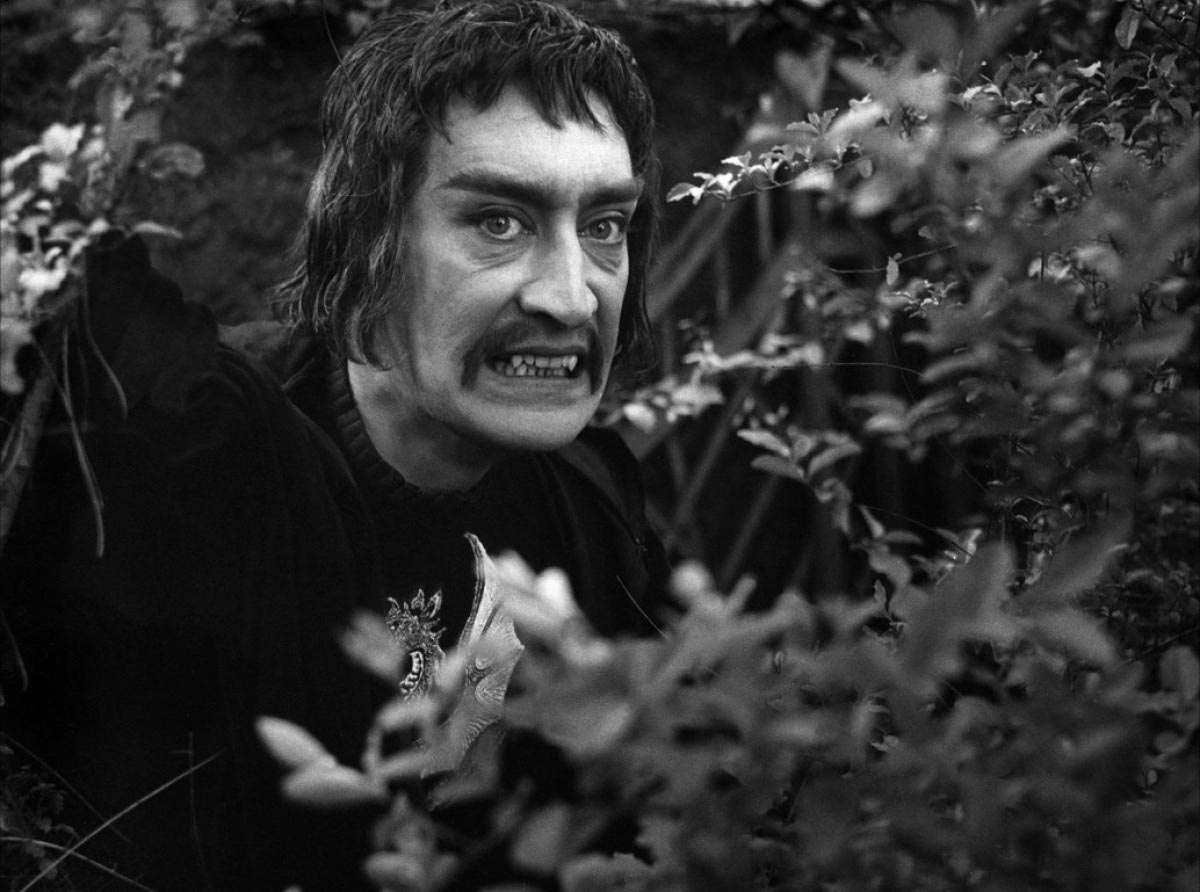
Black Sunday Mario Bava

Loosely based on Nikolai Gogol’s story “Vly”, “Black Sunday” tells the tale of a witch named Asa who is burned at the stake by her own brother, only to come back 200 years later to take revenge on her brother’s descendents. The film has spectacular cinematography inspired by the classic Universal horror pictures, and trick shots like a complete 360 degree pan and an uninterrupted cut where the camera flies through a window in a cow shed out through a graveyard to a spot where a body is rising from a grave.

Black Sunday Mario Bava

The film has had a tremendous influence, not just on filmmakers like Francis Ford Coppola and Tim Burton, but on legions of fans who caught the film on late night TV. There’s imagery in this film that once seen can never be forgotten. You’re in for a wonderful Halloween treat!

Black Sunday Mario Bava

We will be screening a newly restored hidef print of “Black Sunday”. This very special screening will be held at 7:30pm on August 18th, 2012. Our screening room is located in Pacoima, CA. The Animation Creative League meetings are by invitation only. To request an invite, contact Taber Dunnipace at…

thecreativeleague@hotmail.com

If you can bring refreshments, please do. Confirmations will go out well in advance of the screening. Space is limited. Make sure you let us know if you can’t make it so we can offer your seat to another person. See you at the screening!

Black Sunday Mario Bava

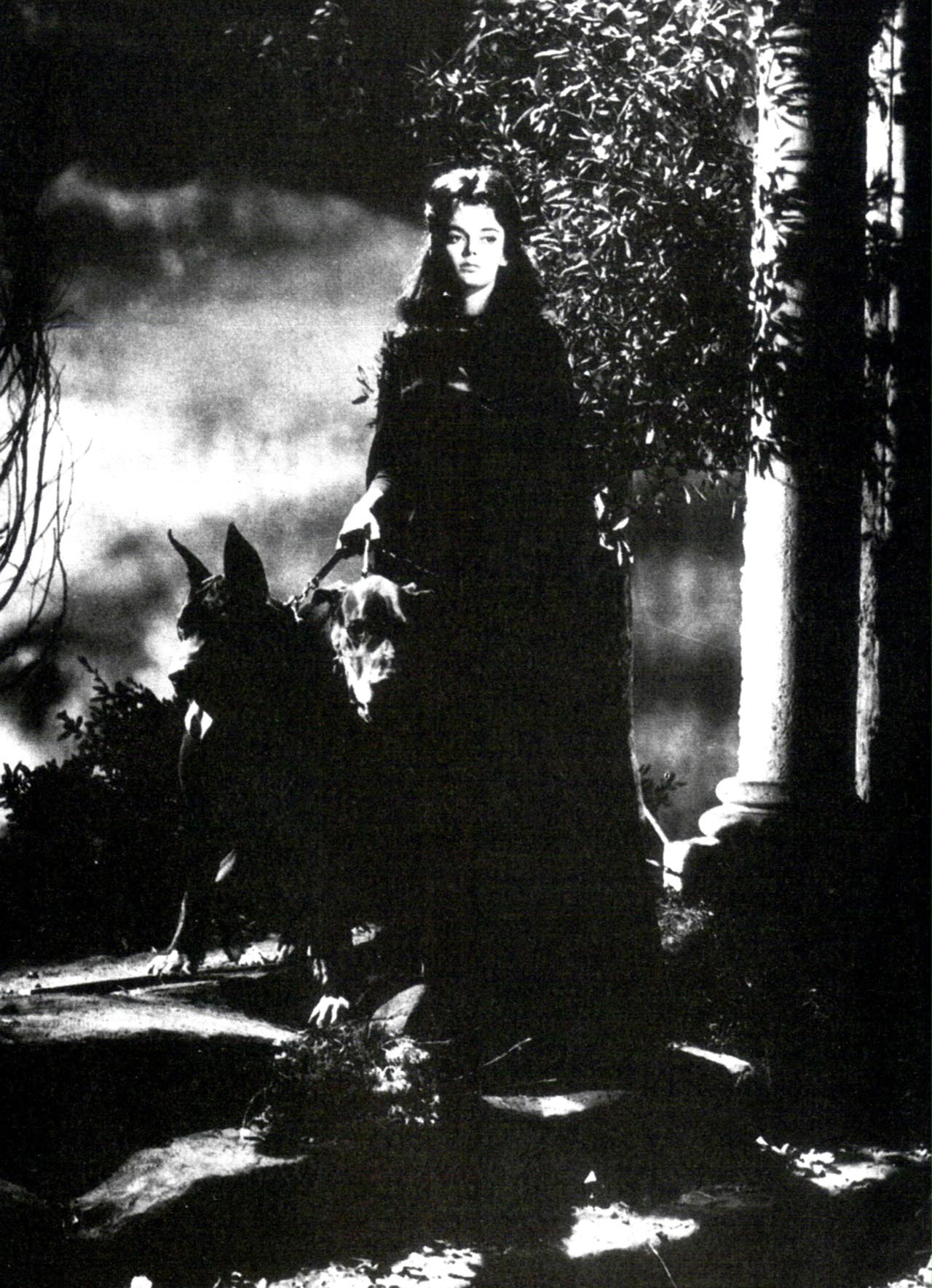
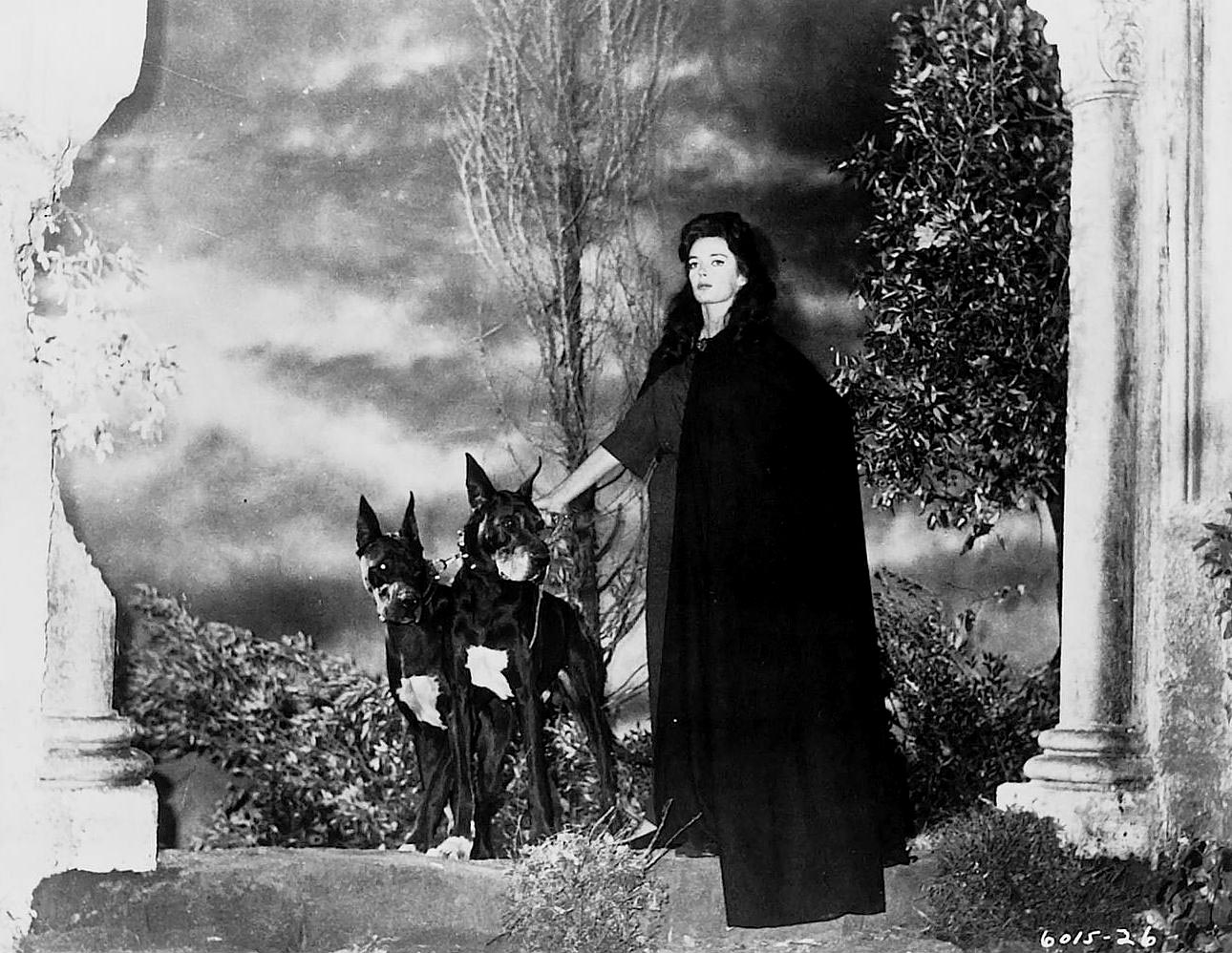
To see what a genius Mario Bava was with lighting and cinematography, compare the way the scene looked in the film above with a production still on the set below. Wow!

Black Sunday Mario Bava

HAPPY HALLOWEEN!

Black Sunday Mario Bava

Stephen Worth
Director
Animation Resources

FacebooktwitterredditpinterestlinkedinmailFacebooktwitterredditpinterestlinkedinmailby feather
Share on Tumblr

Posted by Stephen Worth @ 11:44 am

September 29th, 2012

Members Click Here Membership Email Join Us!

Exhibit: Zim at Judge

ZIM in Judge

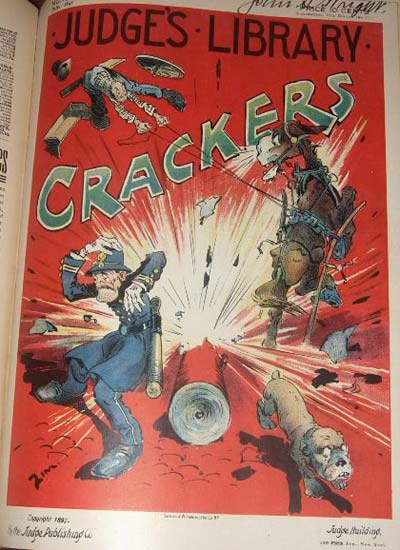
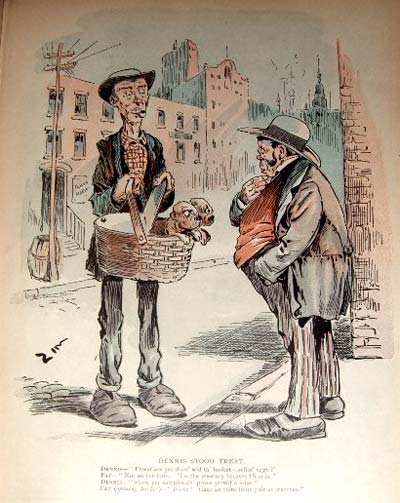
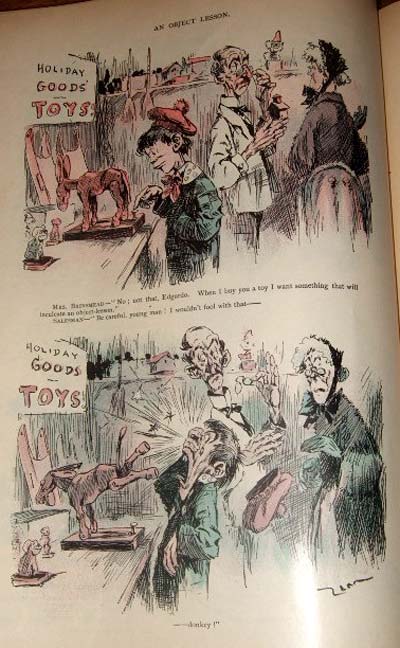
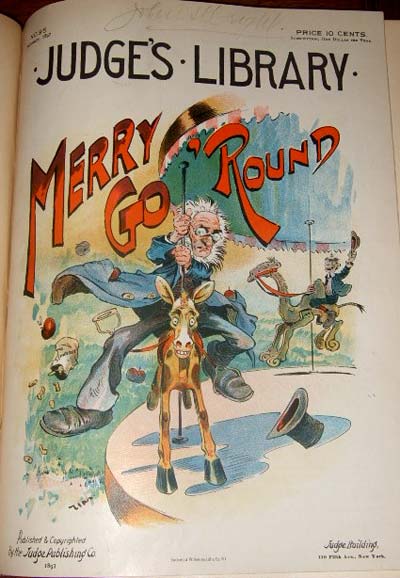
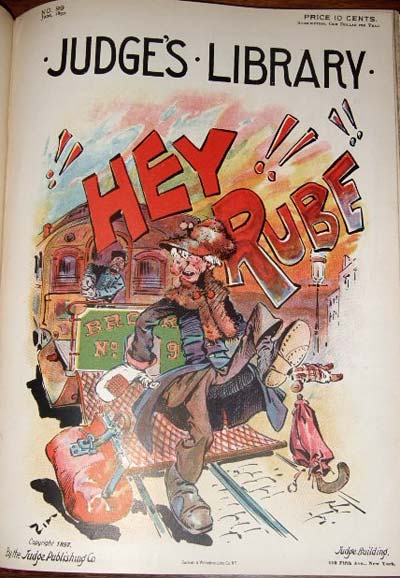
All ethnic groups were fair game for caricature in Judge magazine in the 1880s- even white people. "Crackers" referred to the type of boastful "rube" or "hick" who might be found congregating around the cracker barrel at the general store.

ZIM BOOK NEARING COMPLETION

The Animation Resources volunteers and I have been cranking for the past few months on cleaning up and formatting the over 650 pages in Zim’s Correspondence School of Cartooning, Comic Art and Caricature. This is the granddaddy of all cartooning courses, written by the man who was a pioneer in the art of the humorous caricature. I’ve been in touch with the Horseheads Historical Society, the group that operates ZIM’s home as a museum, and have received some valuable biographical information from them for the upcoming book. At this point, the entire cartooning course spans two large hardback volumes. We may release it as four smaller paperbacks or PDF files in the future.

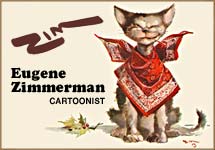
Eugene ZIM Zimmerman

For more on the genius of Eugene "ZIM" Zimmerman, see our Online Exhibit on ZIM.

RALPH LENDS A HAND

Ralph Bakshi has been assembling a collection of ZIMiana for four decades. His collection includes original art, magazine illustrations and books by ZIM. Ralph has agreed to write the forward for our republication of the ZIM course. When he heard that I was looking for examples of ZIM’s watercolor work for the covers and frontispieces, Ralph dug into his collection and came up with some wonderful treasures… enough for another volume of ZIM’s cartooning to follow the cartooning course.

ZIM in Judge

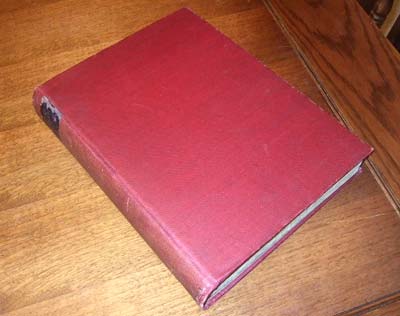
But that wasn’t all… Ralph heard that there was a bound volume of Judge magazines from 1885-1887 for sale at eBay. During this time period, ZIM was the leading cartoonist at Judge, and he was producing the best work of his lifetime. Animation Resources doesn’t have an acquisition budget, so we couldn’t afford to purchase the book. But Ralph felt that we needed it to do ZIM justice, so he dug into his own pocket to make sure we got it.

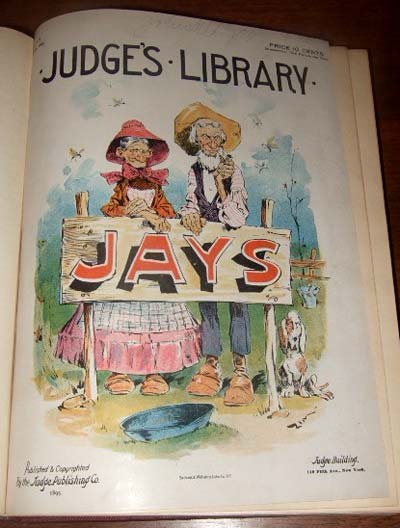
The book hasn’t arrived yet, but check out these photos from the seller…

ZIM in Judge

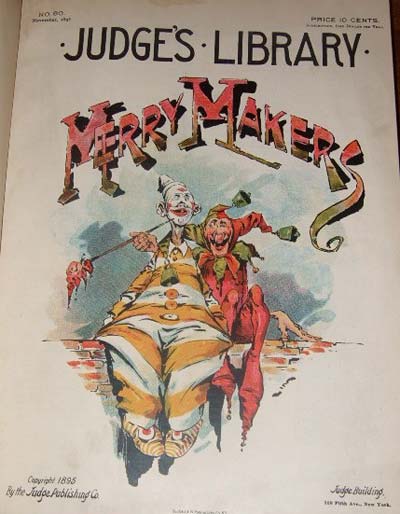
Judge was the National Lampoon or Mad magazine of its day. Each issue was devoted to making fun of a particular subject. This issue deals with "Jays", a slang term for oblivious and reckless people. The stereotypical "jay" was the ignorant rural farmer who came to the big city and ignored all traffic and safety laws. The term "Jay" is the root of our slang term "jaywalker".

ZIM in Judge

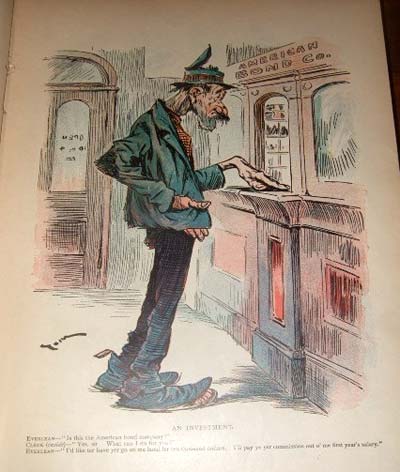
Here, a hobo tries to get a bank to invest in him… ZIM was the first cartoonist to apply the principles of caricature to the whole body, not just the head. Every part of this character, from the hat down to the shoes, exemplifies the type of personality ZIM was trying to convey.

ZIM in Judge

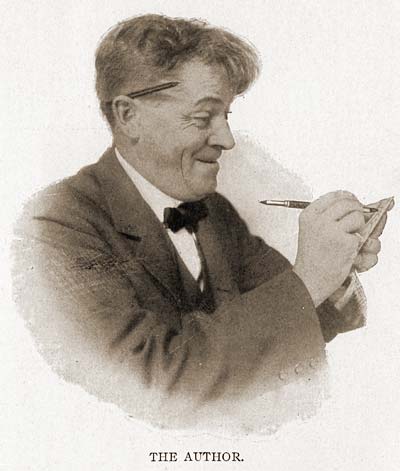
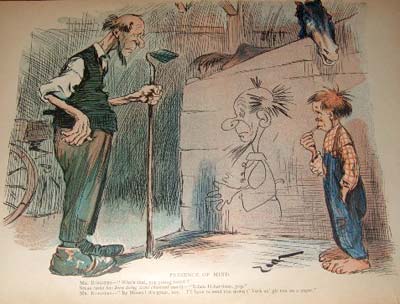
In his boyhood, ZIM worked as a farmhand. The placement of the signature and the familiar profile (see the photo above) indicate that this gag may have been autobiographical. The caption reads…

Mr Rodgers: Who’s that, my young man?
Silas (nervously): B-ben H-harrison, pop.
Mr Rodgers: By Moses! It’s great boy. I’ll have to send ya down to N’ York an’ git ye on a paper.

At the time this was published, Benjamin Harrison was the Republican candidate for President of the United States.

ZIM in Judge

Check out the strange shapes and contrasts in this drawing! Bizzare.

ZIM in Judge

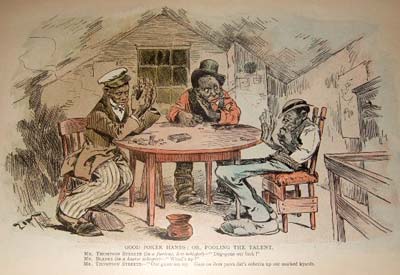
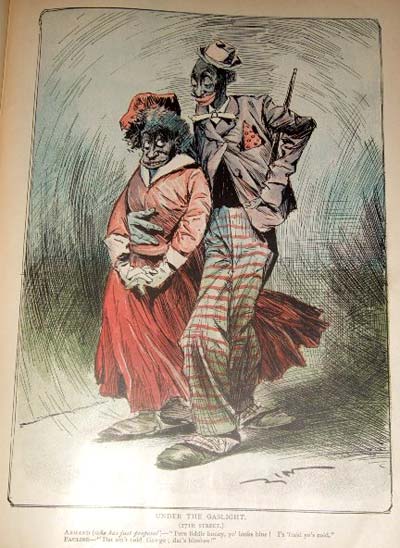
ZIM is largely known today for the racial stereotypes that were the stock-in-trade at Judge and Puck magazines at the time. But although the racial humor may now seem too abstract to translate into today’s world; the caricatures are well-observed and honest. They were undoubtedly based on real people ZIM knew.

ZIM in Judge

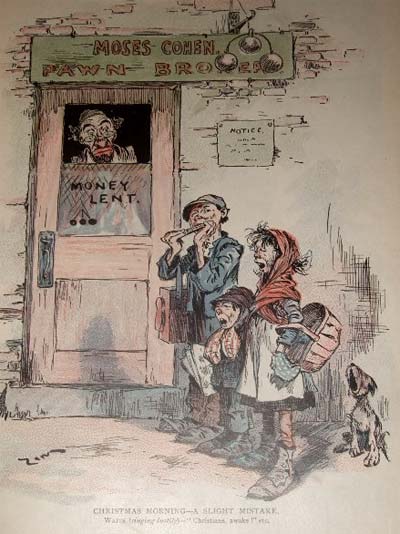
New York City was a melting pot in the late 19th century. Just about everyone was an immigrant. The cartoonists of the day found humor in the juxtapositions of culture one experienced walking through the poorer neighborhoods of the big city. ZIM was no exception. He was an immigrant himself. He arrived in America as a child speaking no English, and quickly adapted to life in a totally new world. His aspiration was to become an American through and through.

ZIM in Judge

Wow, what a drawing! This one really resonates with me. We’re looking at two people who were probably born as slaves not only making the transition to becoming a part of society, but depicted as American citizens- note the American flag pants. When I look at this drawing, I can tell how they walk, their personality and temperament… everything. This is as perfect an example of caricature as I have ever seen. Absolutely brilliant.

ZIM in Judge

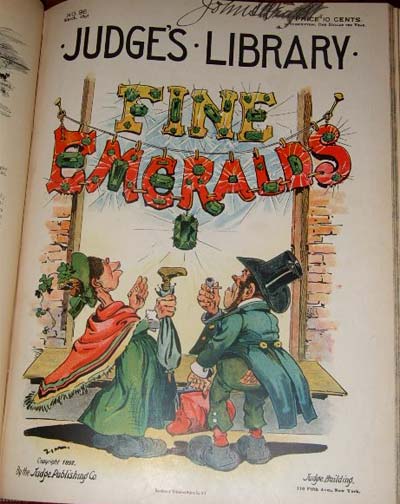
The Irish are lampooned in this issue.

ZIM in Judge

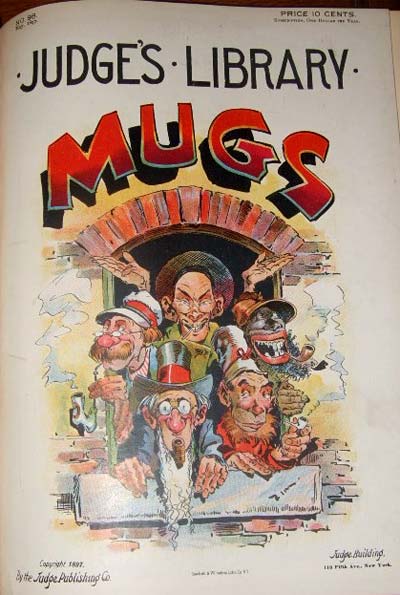
Here we see a dormer window in a tenement building populated by the faces of all the types of people who made up New York City…

ZIM in Judge

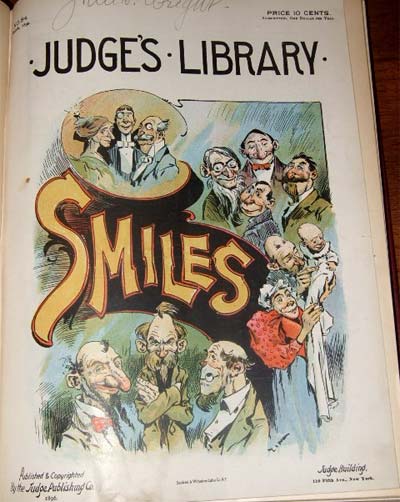
…and here is the common denominator between all of the types of faces in the world- the smile.

ZIM in Judge

ZIM’s eye took in all the details of urban life in the 1880s. He definitely exhibited more of an affinity for the poor immigrants than he did the established well-to-do. This set him apart from most of the othe
r illustrators who drew for Puck, Judge and Life.

ZIM in Judge

Can you see a little bit of Don Martin in this comic? The amazing thing about it is that this comic was drawn when Outcault’s The Yellow Kid was just getting its start. A. B. Frost had just pioneered sequential "time stop" drawings in his book Stuff and Nonsense a few years before. T. S. Sullivant hadn’t even begun his career as a cartoonist yet!

ZIM in Judge

When I saw these images, I was blown away. It’s very difficult for me to wrap my head around the fact that these drawings are 120 years old! Before I discovered the genius of ZIM, I had no idea that the art of cartooning was this advanced in the 1880s. That’s why I’m so pleased to be able to bring this material to you.

ZIM in Judge

I hope you will support Animation Resources by buying a copy of ZIM’s Correspondence School of Cartooning, Comic Art and Caricature when it comes out.

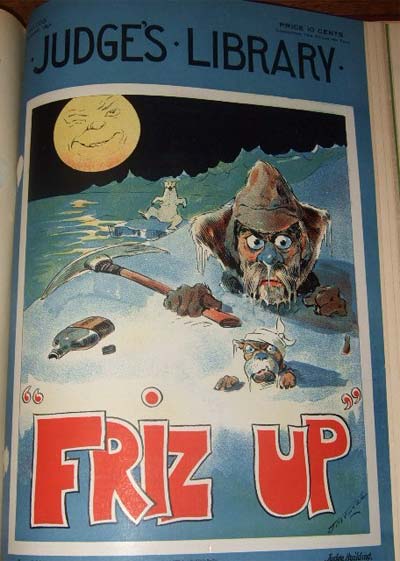
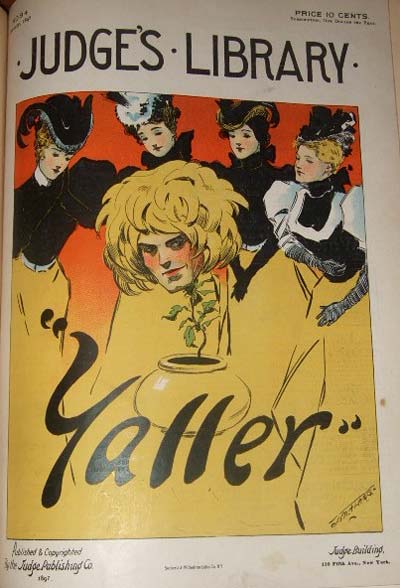
But that’s not all! Check out these amazing covers by James Montgomery Flagg!

ZIM in Judge
ZIM in Judge

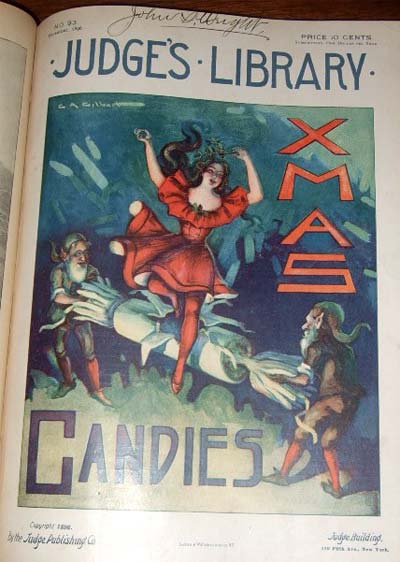
And how about this cover by Gillam…

ZIM in Judge

Whenever I speak to people interested in the history of cartooning, I find that they have pretty much the same frame of reference as I have… the earliest cartoonists they know about are Sullivant, Outcault and Herriman. A few know a little bit about the most powerful cartoonist who ever lived, Thomas Nast. I’m now discovering that there is a rich history of cartooning between Nast and Sullivant. As I discover more about this exciting period, I’ll share it with you here on the Animation Resources blog.

Many thanks to Ralph Bakshi for making this possible. Make sure to bookmark The Bakshi Blog.

Stephen Worth
Director
Animation Resources

Eugene Zim ZimmermanEugene Zim Zimmerman

This posting is part of a series of articles comprising an online exhibit devoted to Eugene “Zim” Zimmerman.

FacebooktwitterredditpinterestlinkedinmailFacebooktwitterredditpinterestlinkedinmailby feather
Share on Tumblr

Posted by admin @ 3:30 pm