Last time we talked about how to objectively judge a person’s current ability within a discipline using the Dreyfus Model. Today I’ll be giving my personal theory about what types of practice are best for students and professionals of various levels, and how to determine what type of practice is right for you.
I formed this theory by combining my own experiences learning sports, art, music, and mathematics with advice given by notable teachers of animation and art. My litmus test has been that I must be able to apply these practice methods to any subject a person might want to learn, although practicing skills is this system’s focus, not academic memorization.
The five categories I’ve identified are listed below with a short description of each and an example of the type of activity you might engage in if your goal was to learn how to draw. Remember that these are broad categories however, and may be applied to any skill or discipline.
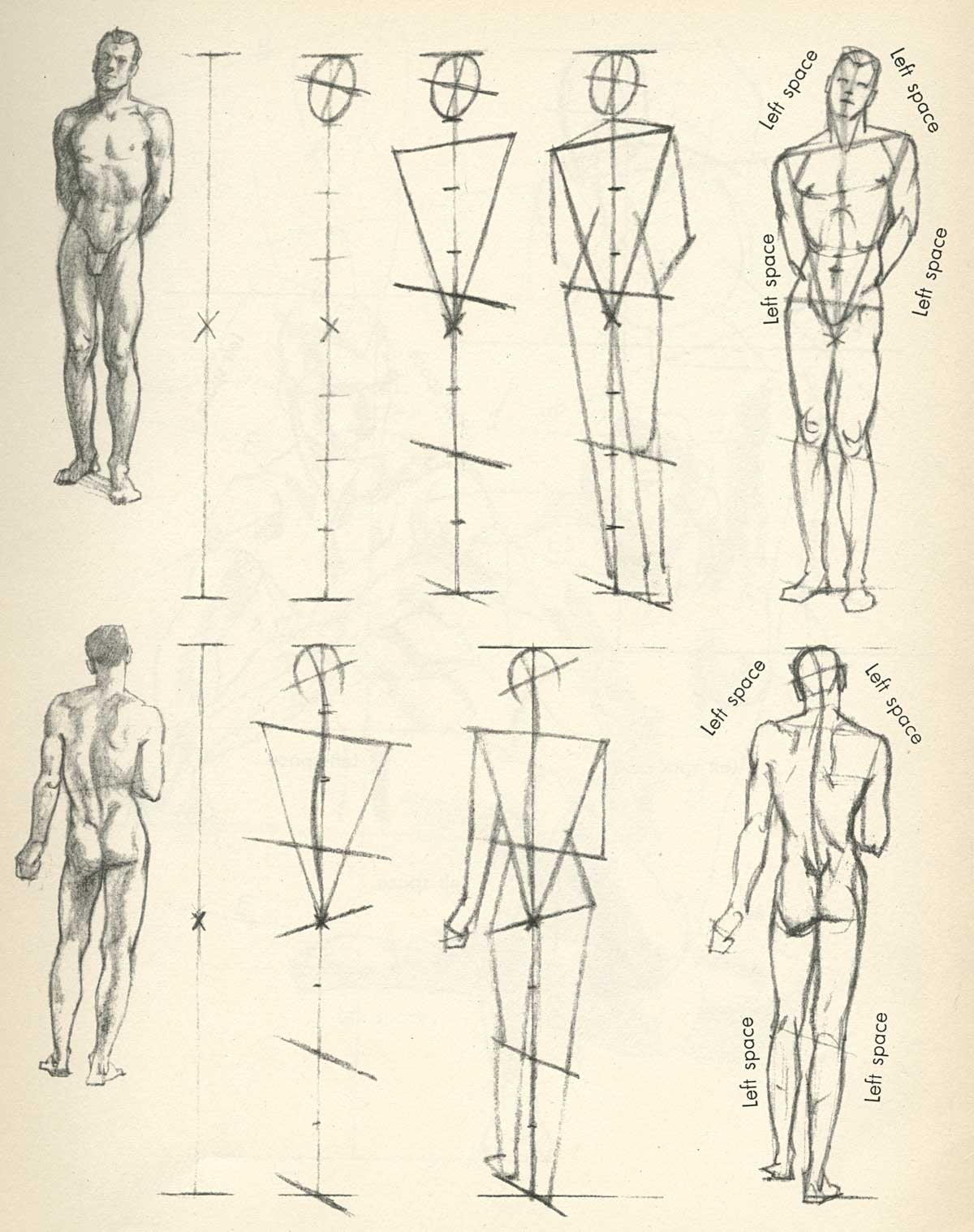
Willy Pogany’s Life Drawing Lessons
Academic
When first approaching a subject, the concepts and working methods are all completely new, therefore the first and most basic type of practice is the type which is most widely used in the classroom: Academic practice. This would include all newly introduced or researched information which comes from an authoritative source such as a textbook, tutorial, lecture, or guide.
This type of practice is most helpful right at the beginning of a student’s study. If you find that general knowledge about the way your discipline works is absent, or that parts of the working methods of your skill are hazy or poorly understood, this is the type of practice you should engage in first. However, as soon as a workable understanding of the concepts is obtained Academic practice should be abandoned in favor of a different type to allow the student to internalize what they’ve learned.
In drawing this would be the equivalent of learning body proportions and anatomy. These are very critical and useful areas of study, but if that’s all you practice, your work can only ever look like a textbook illustration.

Public Sketching – Gordon Grant
Drilling
In order to become a confident and skillful practitioner, a student must commit to hours of practical application. In sports all minute aspects of the game are drilled endlessly until each action becomes as natural as breathing. In music, scales and rhythm exercises are used as warm-ups even by highly accomplished musicians so that they become second nature. Drilling is any task which you already know how to do, and can perform repeatedly in small rapid bursts.
This type of practice is the next most common type of activity employed by students and professionals. In essence, the purpose of drilling is to gain confidence and familiarity with your working methods. A pleasant byproduct of drilling is an increase in speed and a decrease in error making. Many professionals if not most of them continue using drilling throughout their careers as a way to keep sharp.
Drilling in illustration would represent public sketching, thumb-nailing compositions, or plein air painting just to name a few.
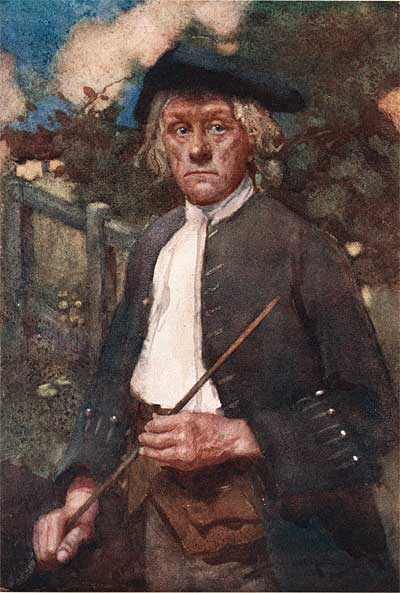
William Lee Hankey
Quality Test
At the point where a student believes they have learned enough to become competent, it may be time to put all of their acquired skills into practice by attempting to perform their discipline to the best of their ability. In sports, this would be game day, in music it would be the concert or recital, and in art, this would represent a single piece of artwork meant to showcase the artist’s talents.
Art made for a quality test should be made carefully, slowly and deliberately. No time limit should be imposed and the artist should be as thorough and careful as they can possibly be in order to push the limits of their ability to the extreme.
Performing work of this type may often have humbling results, revealing exactly what shortcomings the student has yet to overcome. As a diagnostic tool, this type of practice is invaluable, and also provides milestones for the student as they progress so that they can compare their current work to their past work.
Quality illustrations should make up much of a student’s portfolio along with life drawings.
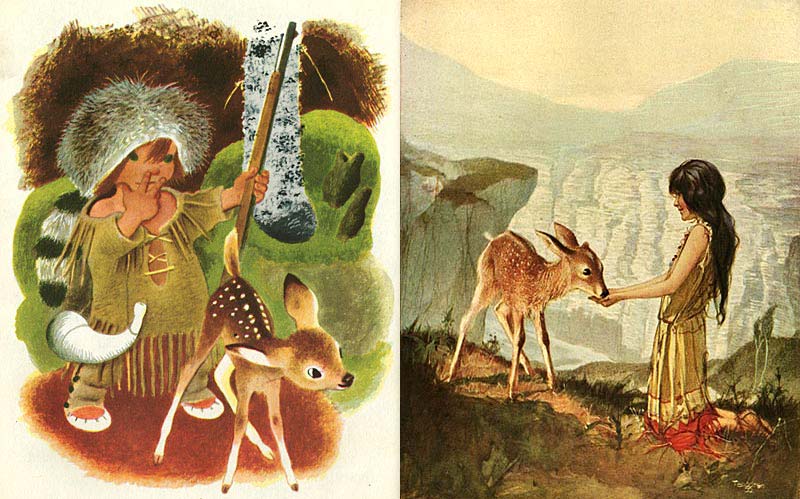
Gustaf Tenggren Comparison
Experimental
After mastering the basics through the use of Academic and Drilling practice, it becomes necessary for a student to explore their own preferred methods and to attempt to expand their ability beyond what can be taught to them explicitly. Experimental practice is done to attempt to create a new work method or a unique result which is entirely the student’s own. It is important to note that this type of practice is most useful in the hands of an already skilled practitioner of their craft, but it may be useful to novices as well, as a method of discovery.
In my opinion, this is where many graduate students and professionals fail to expand their abilities. It’s very easy to copy and reproduce from textbooks, instructors, and tutorials, but it’s a very different and altogether more frightening thing to try to create a new method of working, or a new way of seeing the world.
In illustration and art in general, those artist who are synonymous with a particular style or artistic movement likely owe their success at least partially to experimental practice. The need to perform this type of practice need not be that grand however, as even small modifications to an artist’s working methods help to personalize and internalize their craft.
![]()
Albert Hurter
Freeform
The last form of practice is the free and non-structured kind which children indulge in. Although non-academic and not strictly intended to improve a practitioner’s ability, freeform practice serves as a crucial way for the student to enjoy themselves with their chosen craft. Although it may seem unnecessary to list it here, I believe that maintaining a fun and creative attitude toward your work is at least as important as academic study, if not more so.
Work of this type has one goal: to make you happy. After all, why are you putting in all of this time becoming skillful if not to use that skill in a way which pleases you? Very often unfortunately it seems that the mark of a professional artist is that they draw at work but not at home, having long since ceased to enjoy what it is they do for a living. Don’t fall into the trap of slowly choking the life out of your art, have a little fun now and then!
I hope these practice methods are helpful to you or your students. Next time I’ll be talking about motivation and forming a practice habit!
Right now, it’s Back To School time at Animation Resources, and for the next two weeks we will be sharing reasons why students and educators should be a member of our important project. There is no better way to feed your creativity than to be a member of Animation Resources. Every other month, we share a Reference Pack that is chock full of downloadable e-books and still framable videos designed to expand your horizons and blow your mind. It’s easy to join. Just click on this link and you can sign up right now online…
JOIN TODAY!
https://animationresources.org/membership/levels/
FREE SAMPLES!
https://animationresources.org/join-us-sample-reference-pack/
Not Convinced Yet? Check out this SAMPLE REFERENCE PACK! It will give you a taste of what Animation Resources members get to download every other month!



 by
by 





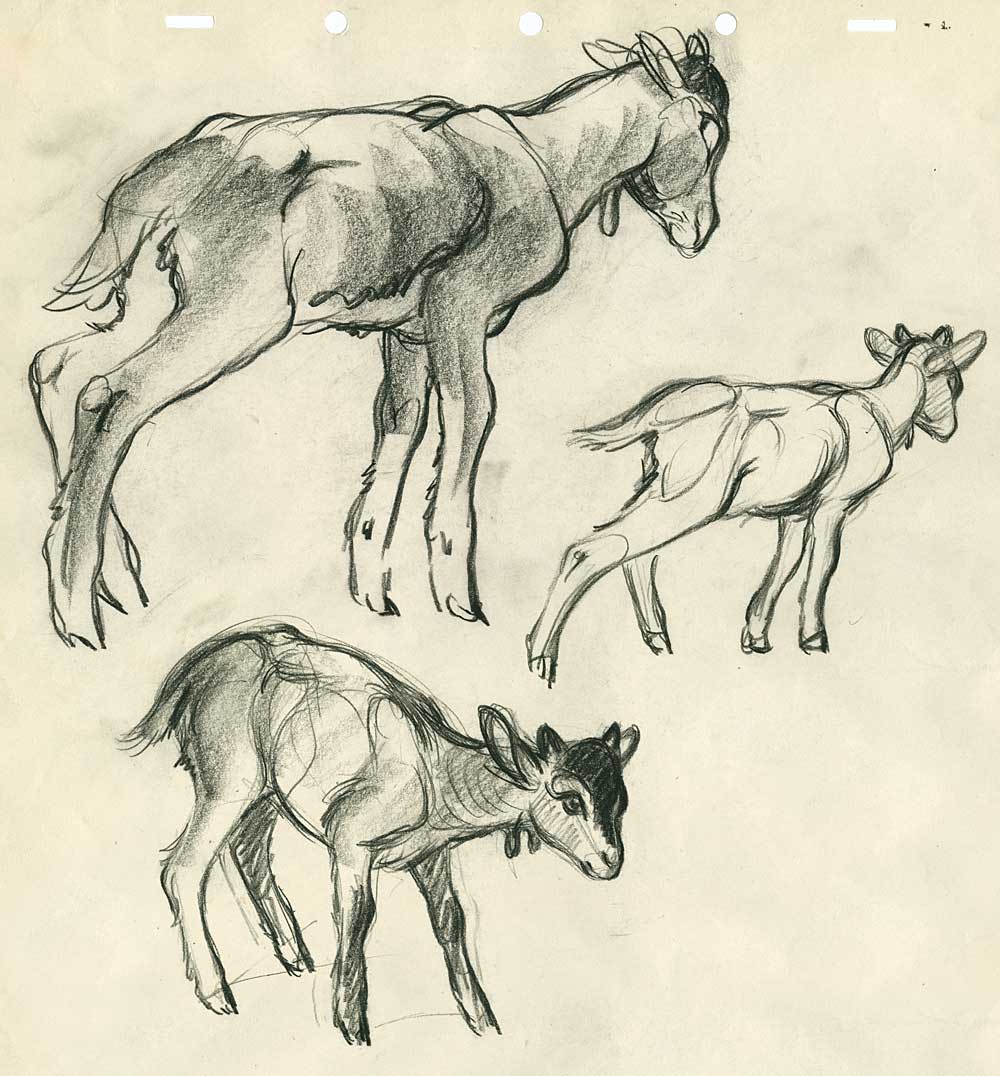
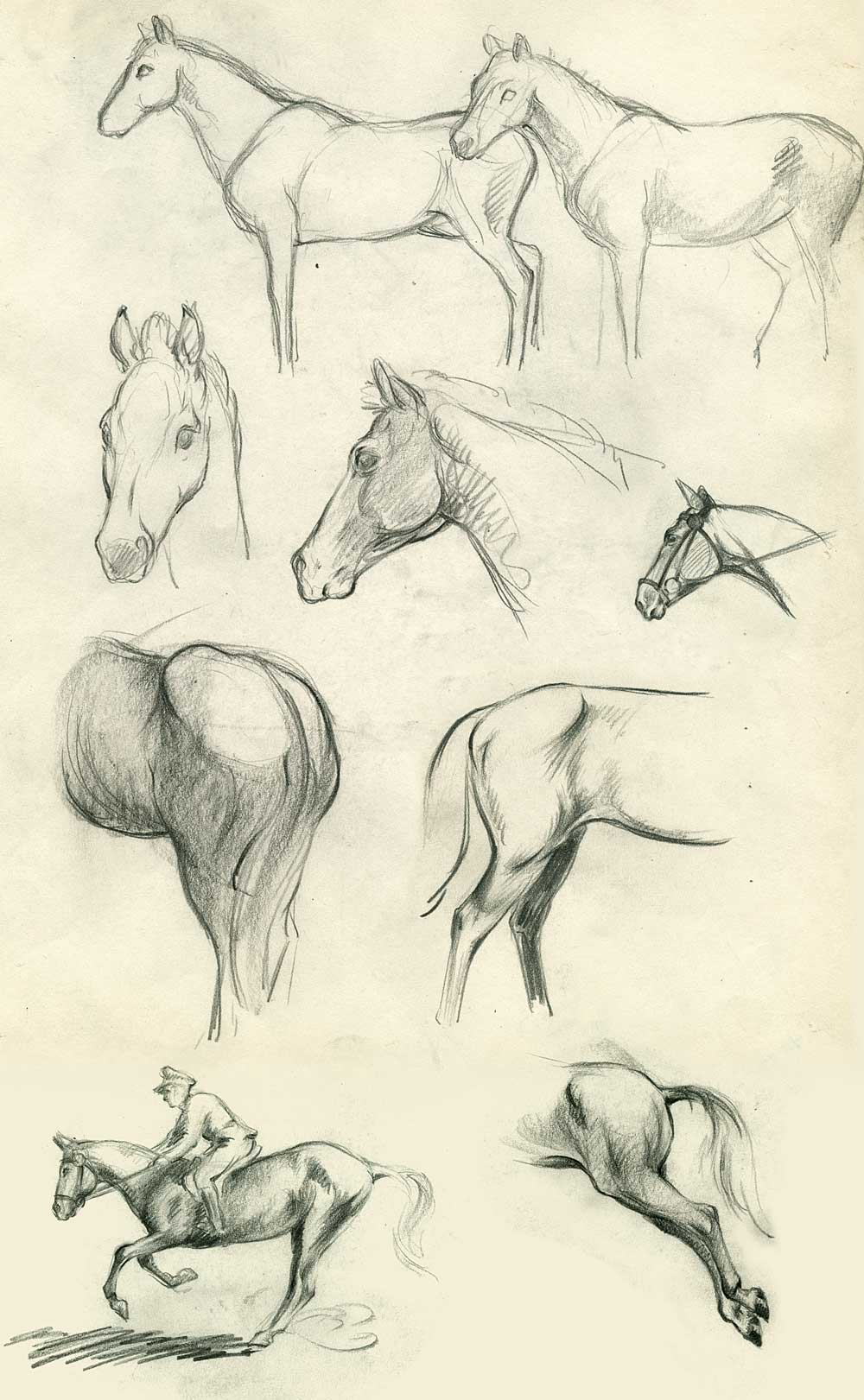
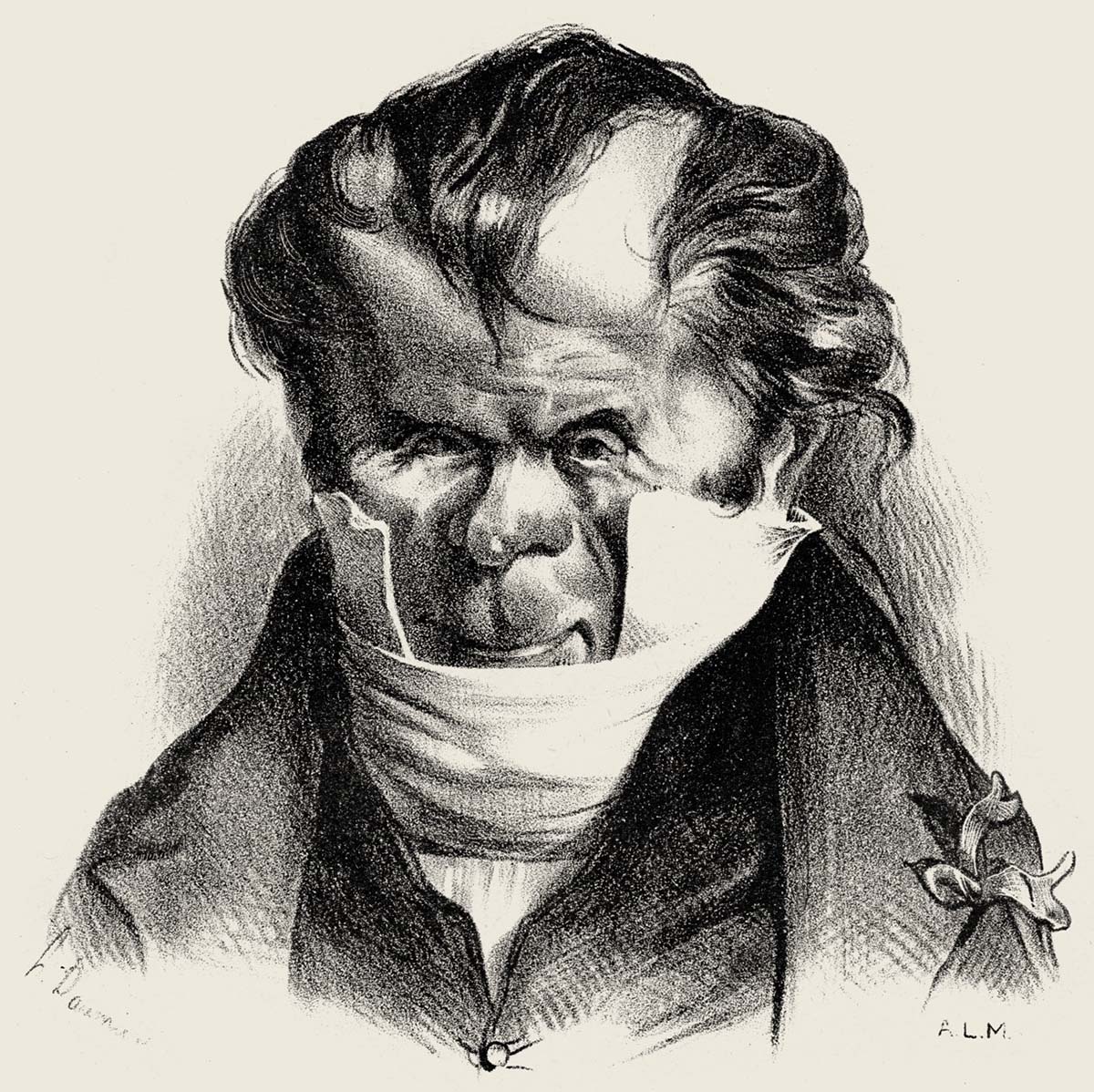
 Today, I’m proud to present more amazing treasures from the Clair Weeks collection. As I mentioned in an earlier post, Weeks was born the son of a missionary in India. At DIsney, he was often teased about his resemblence to a village parson or pilgrim. (See caricature to the right.)