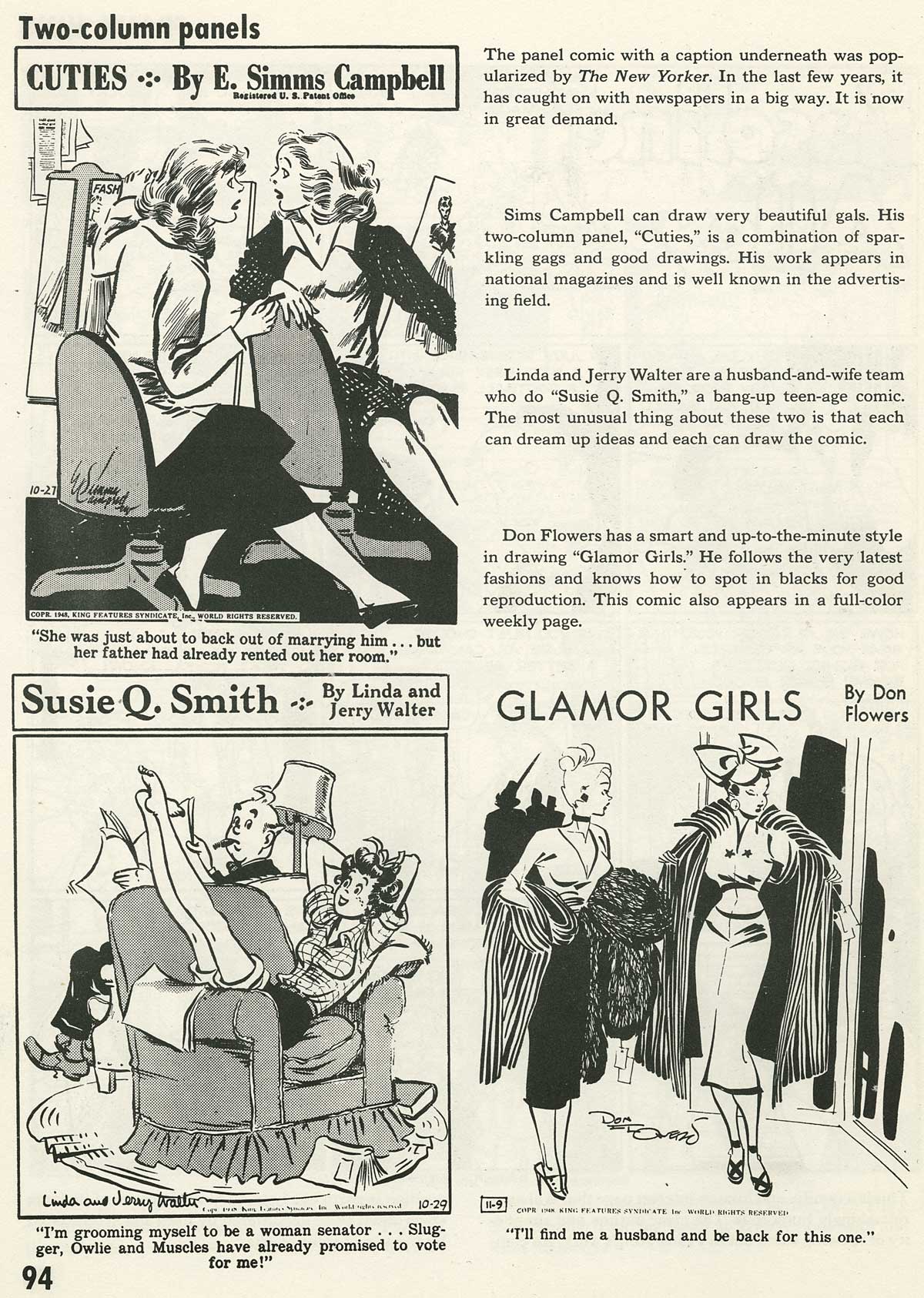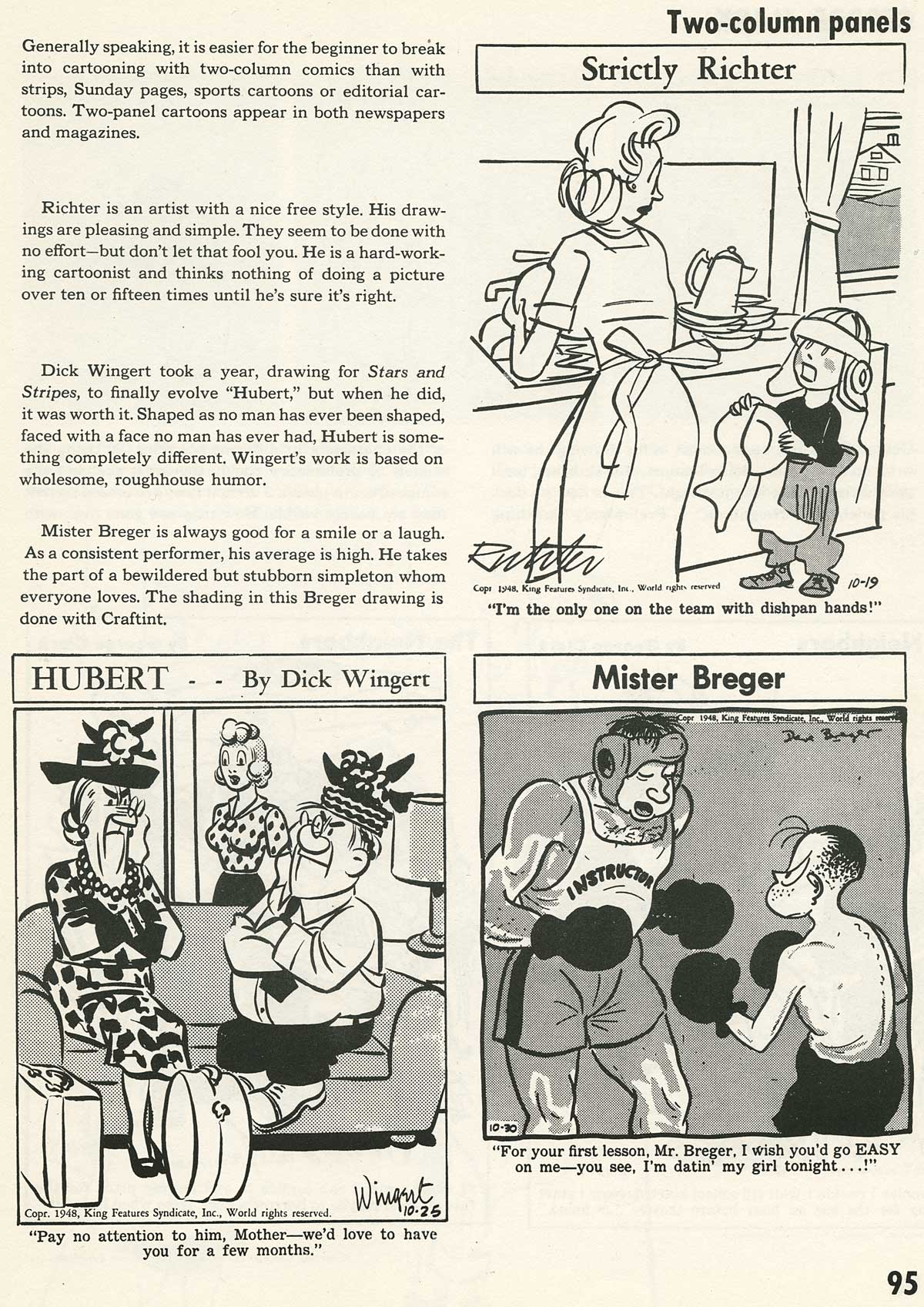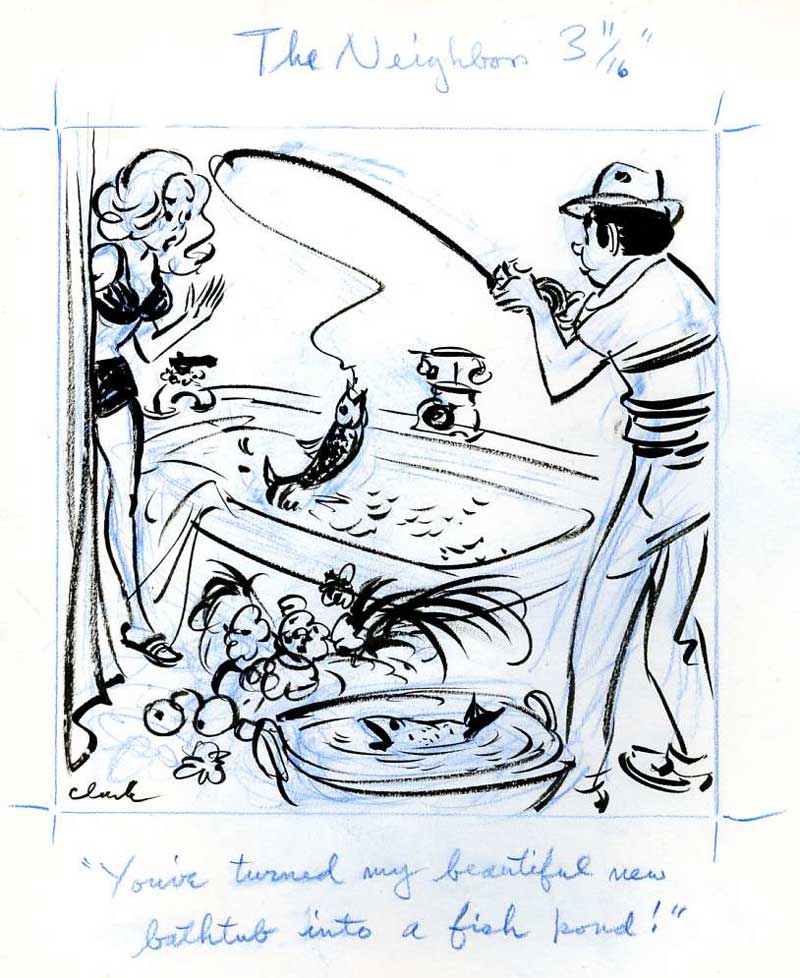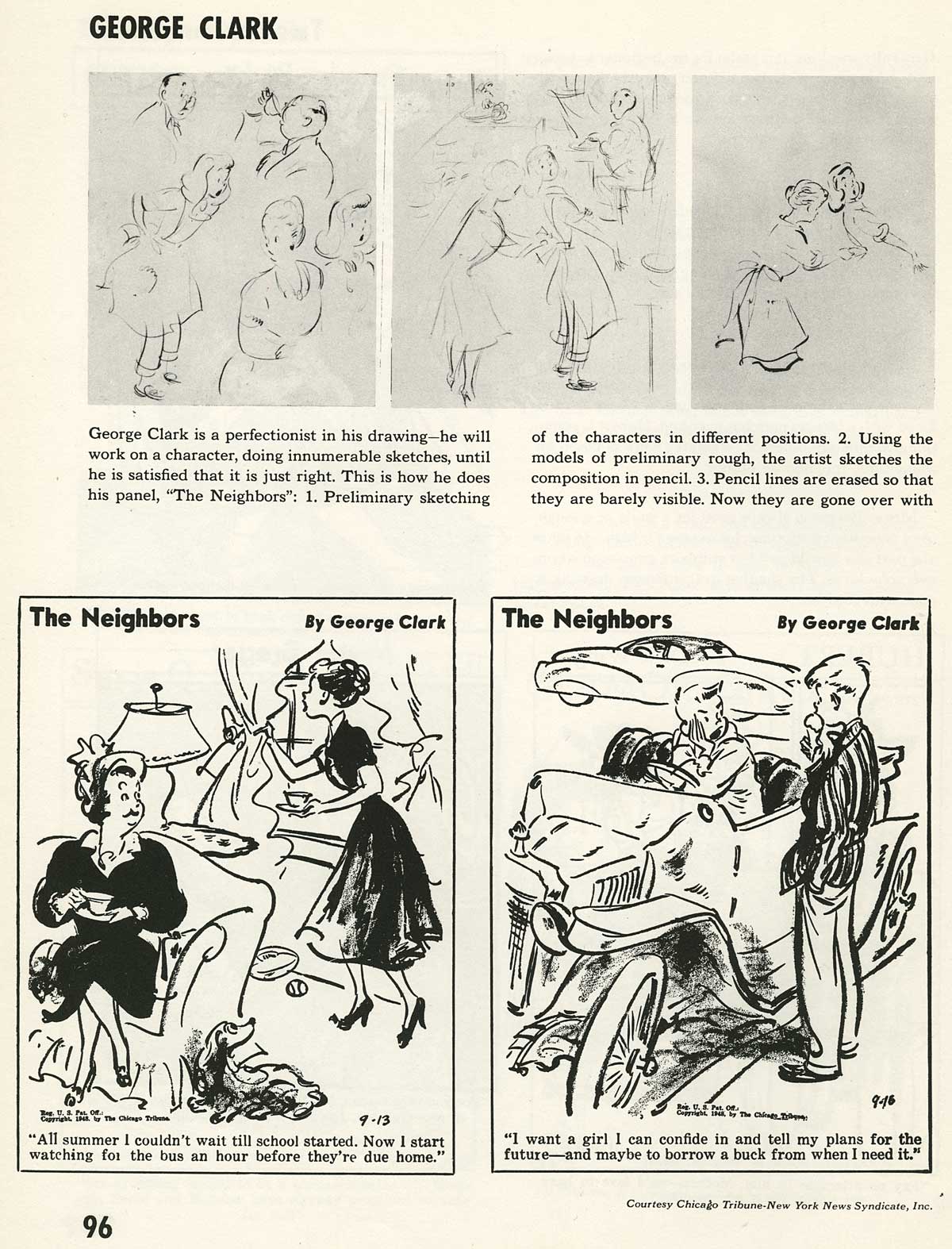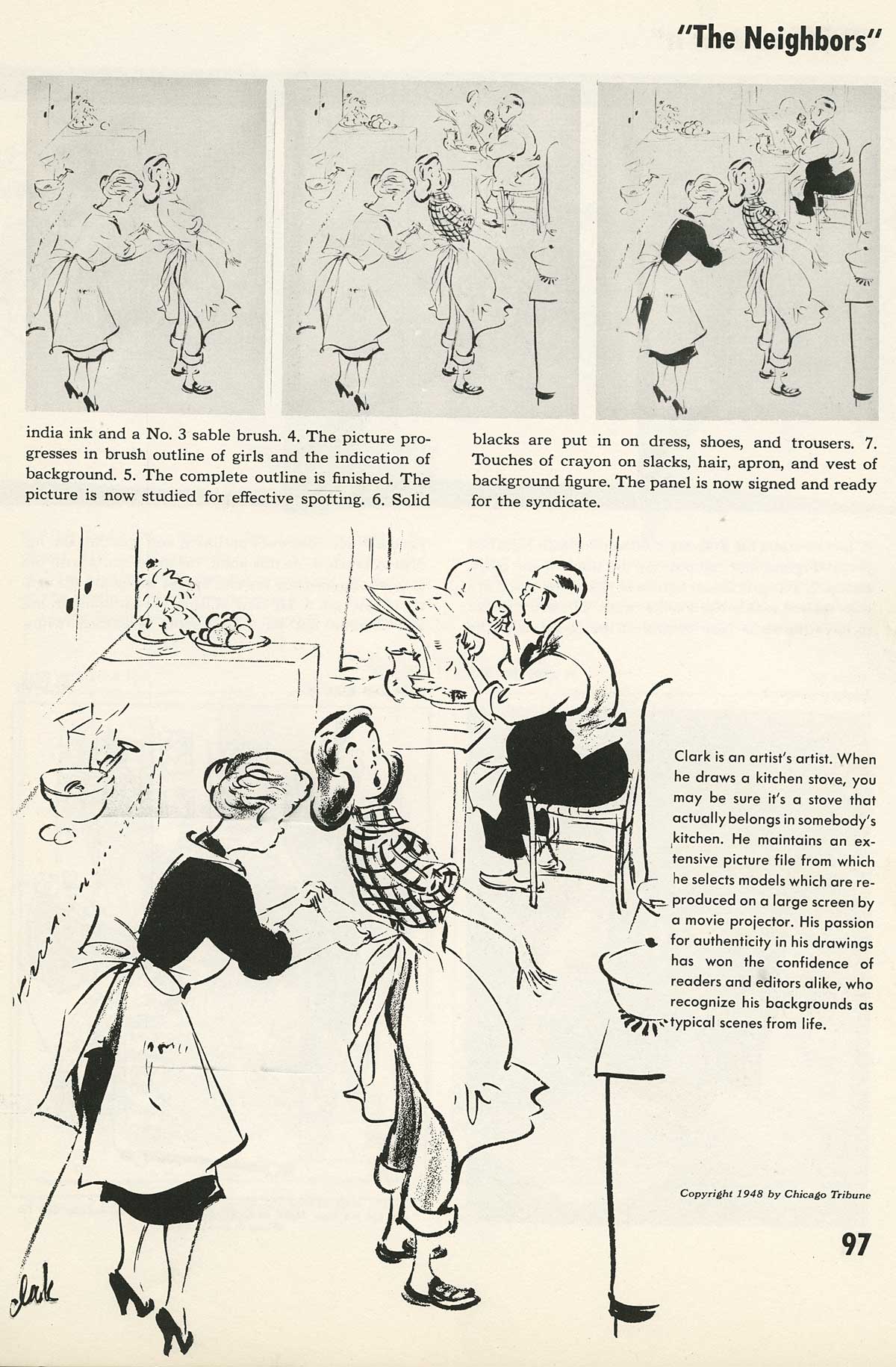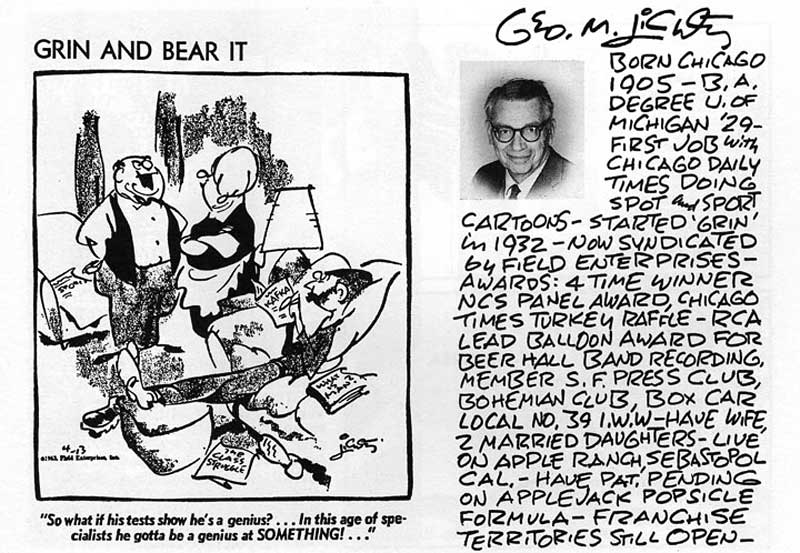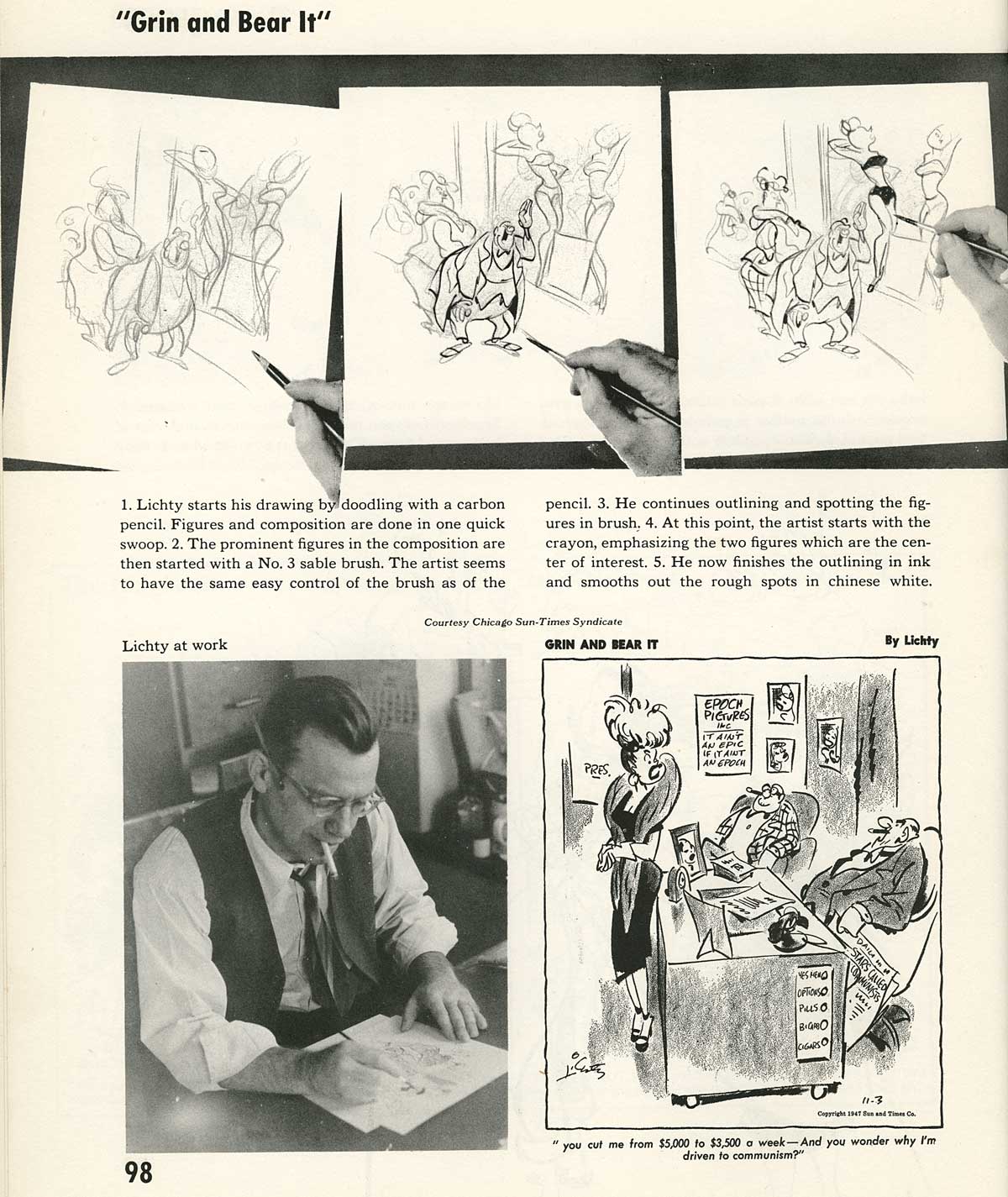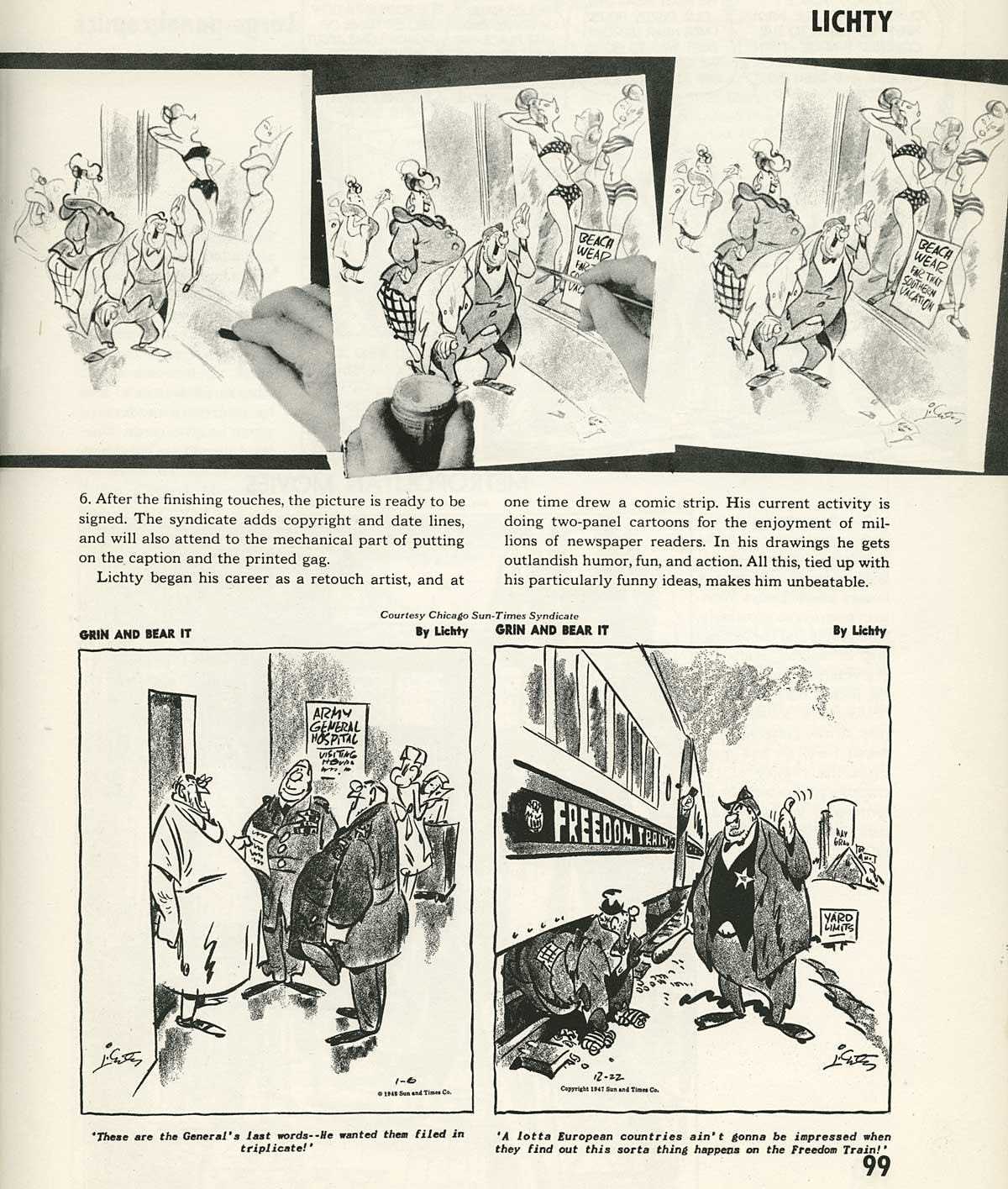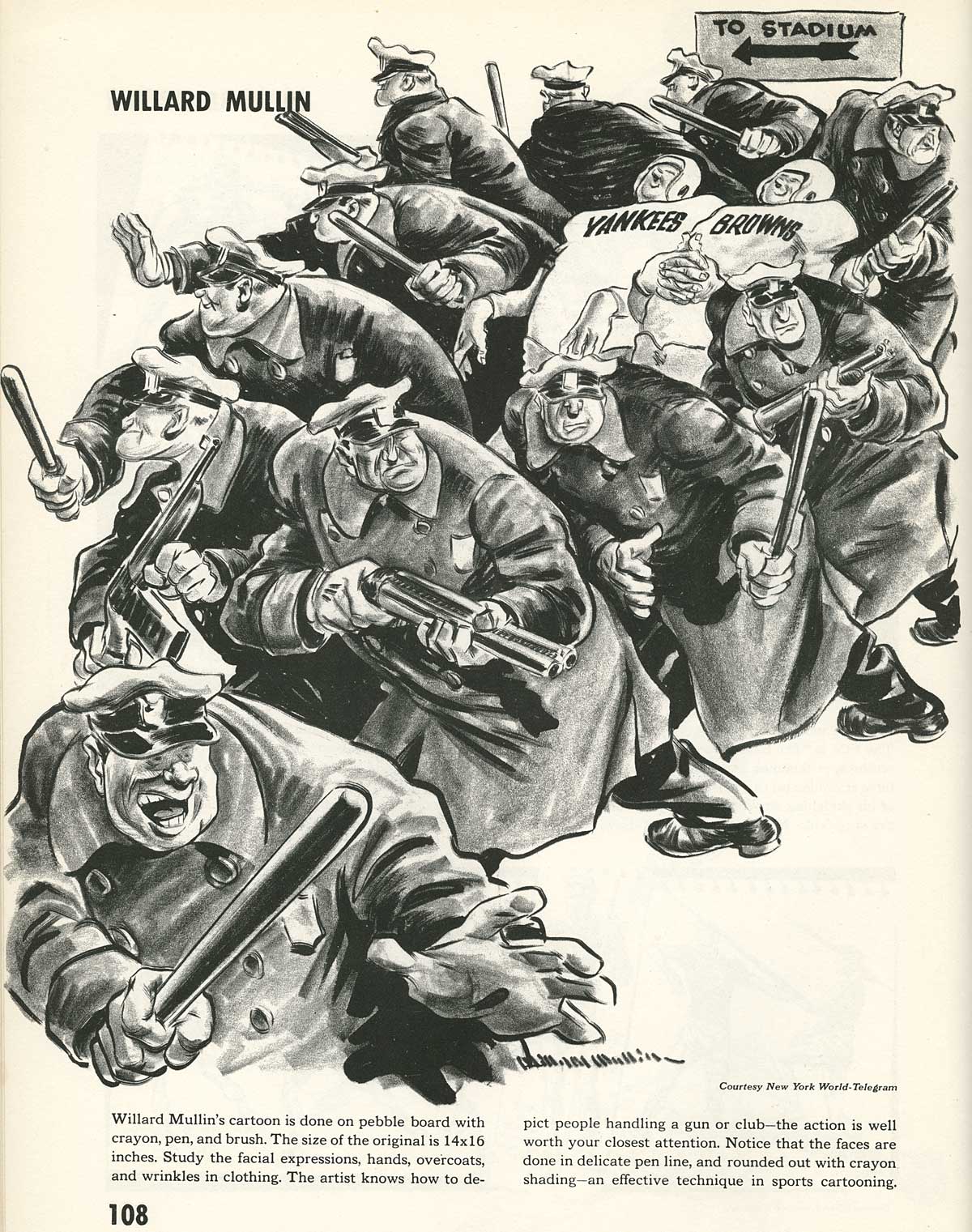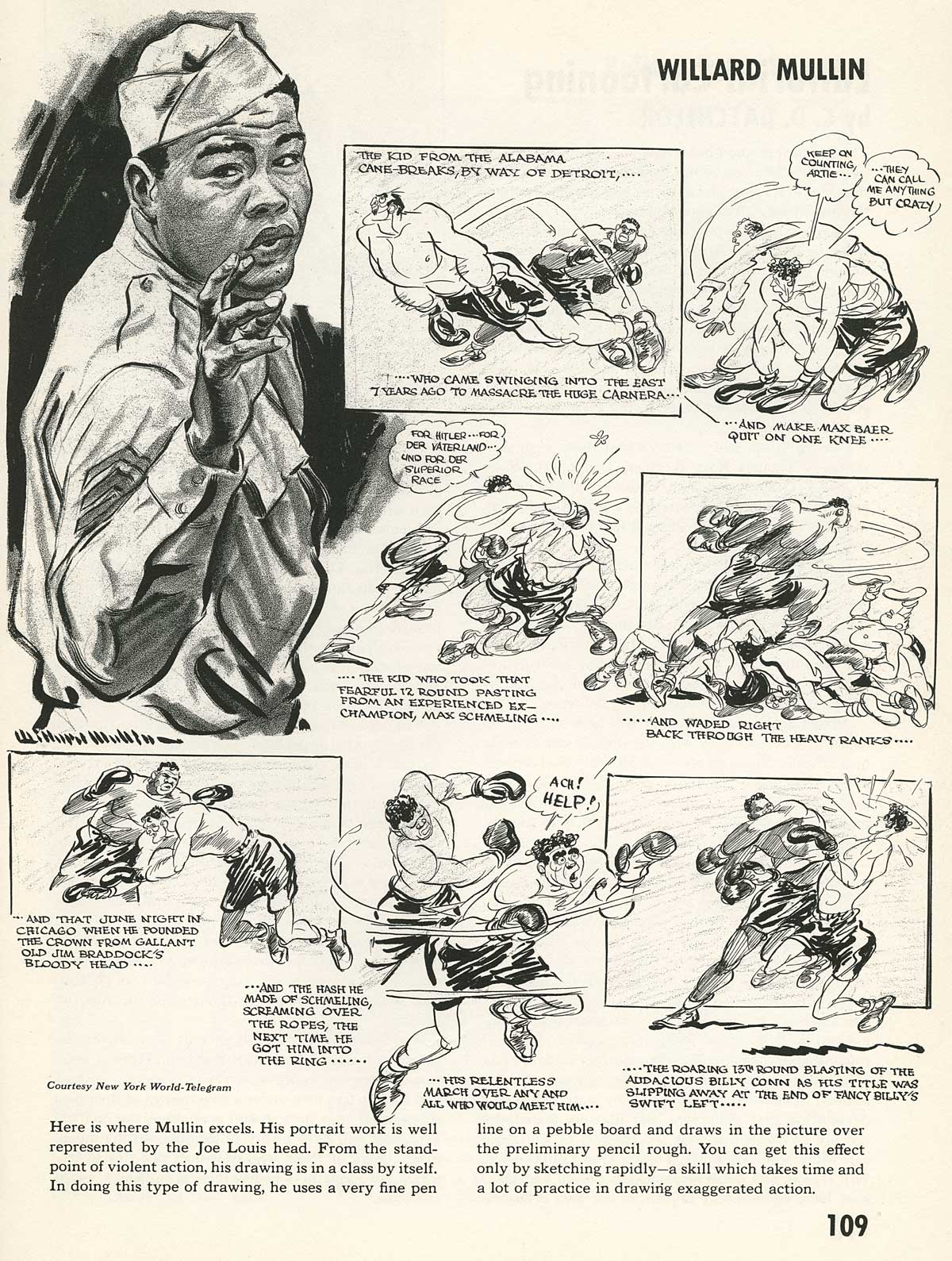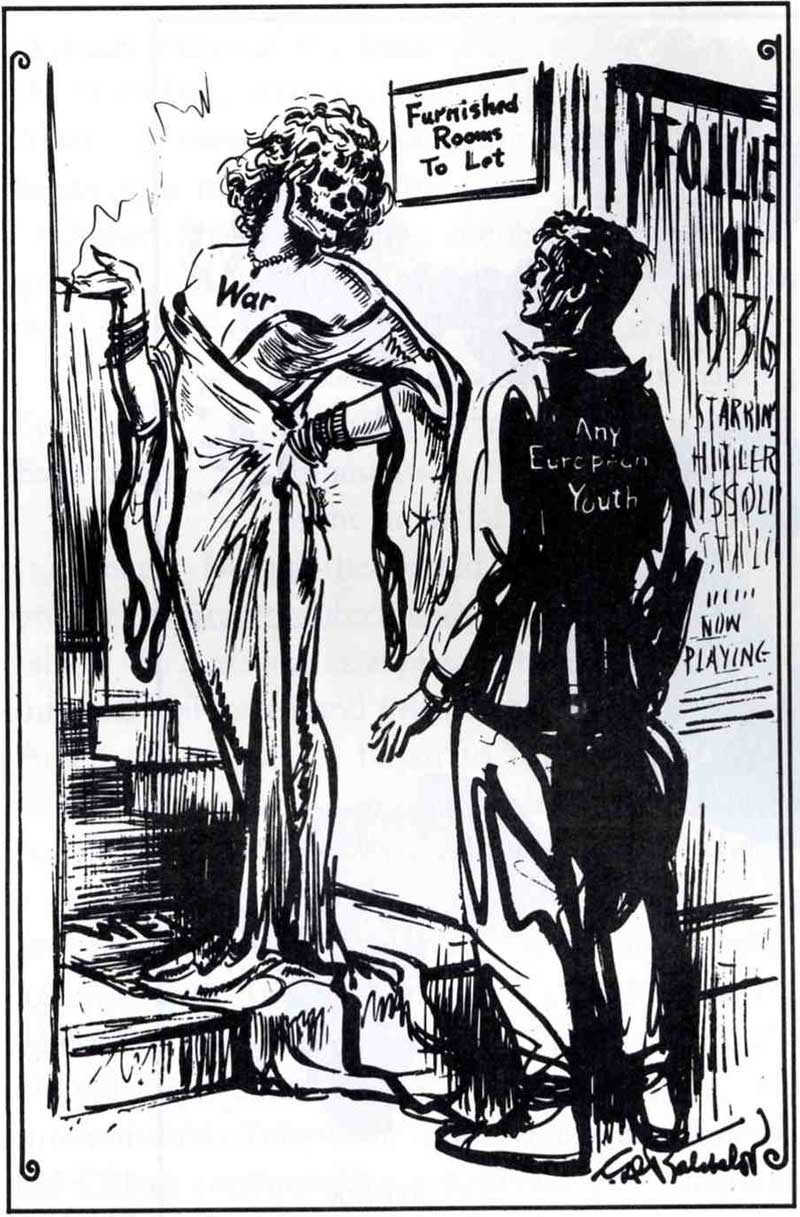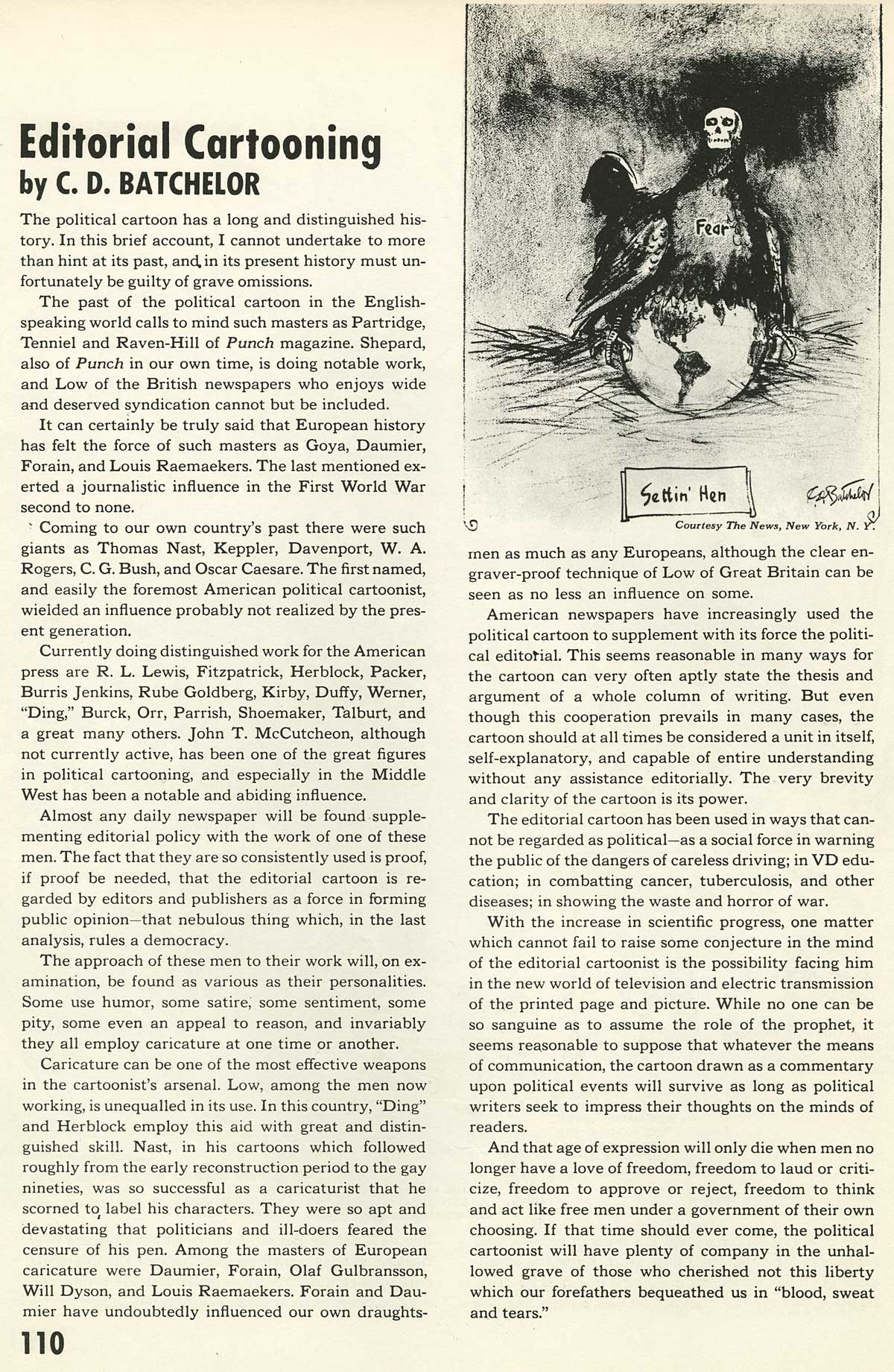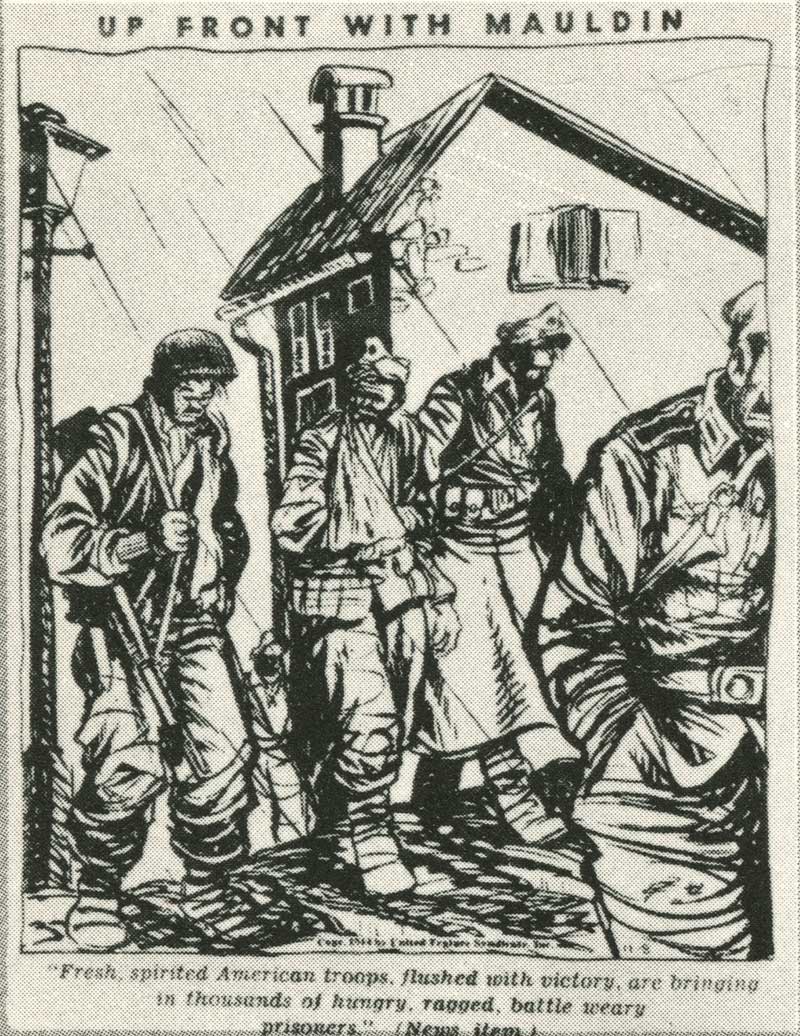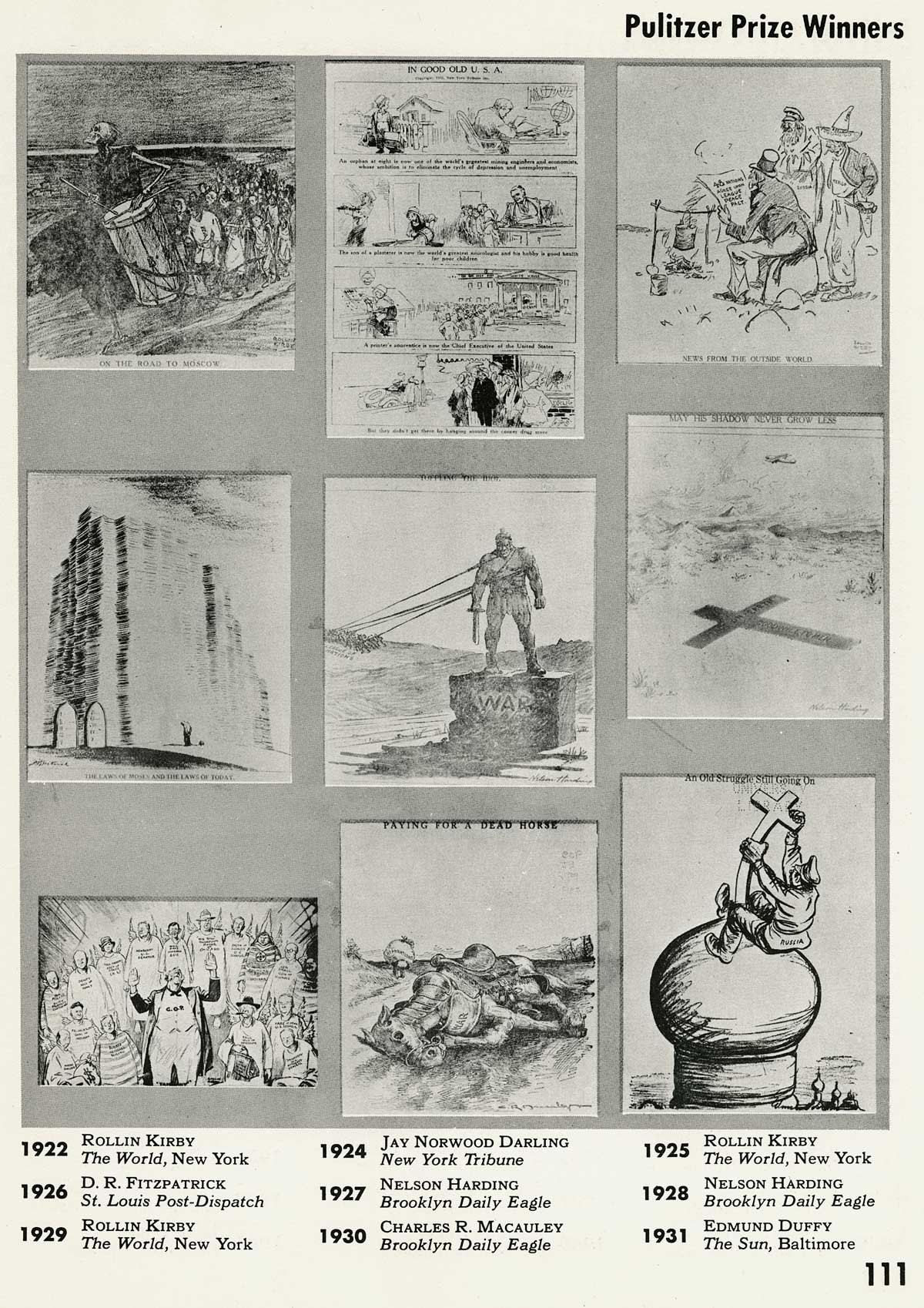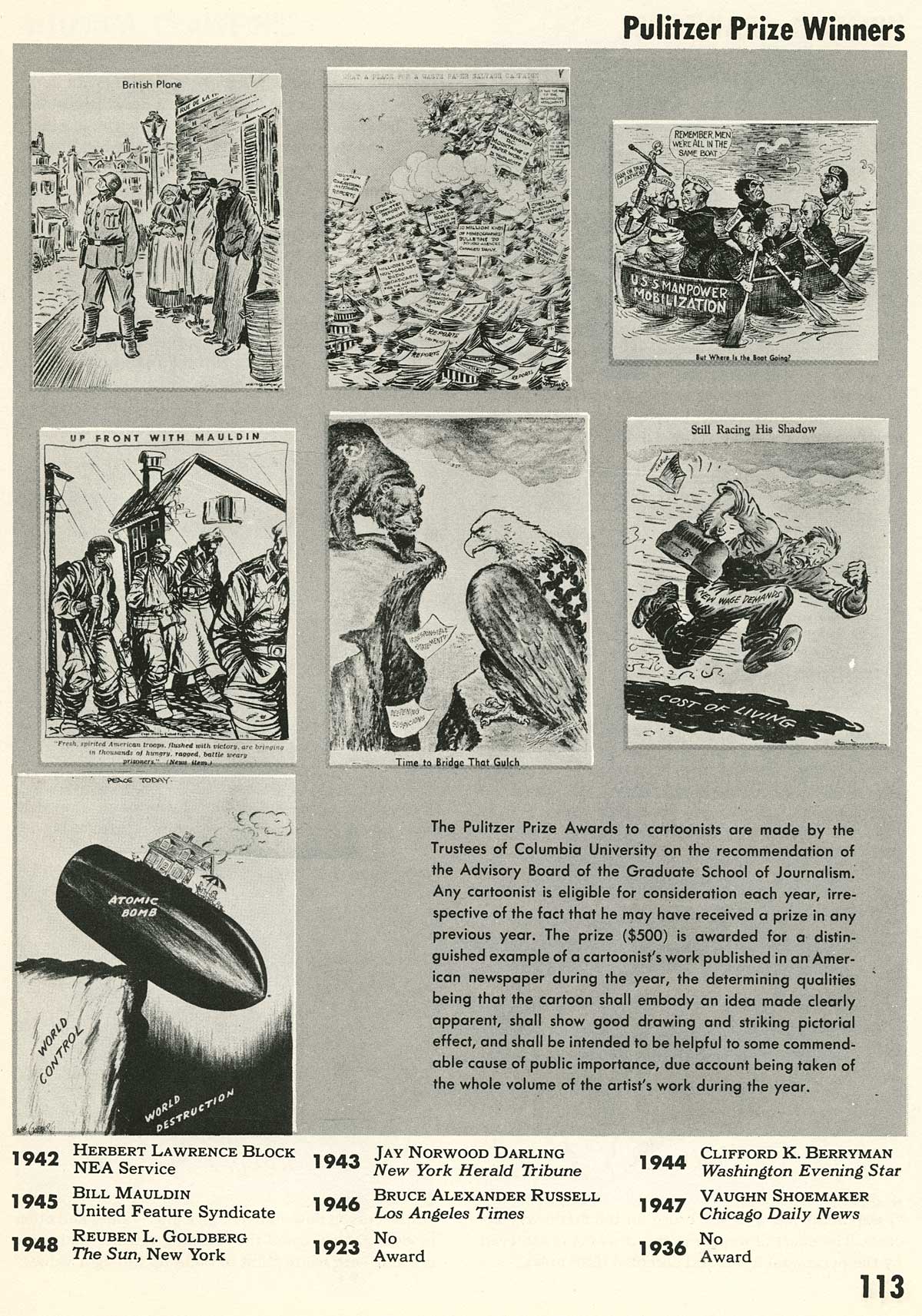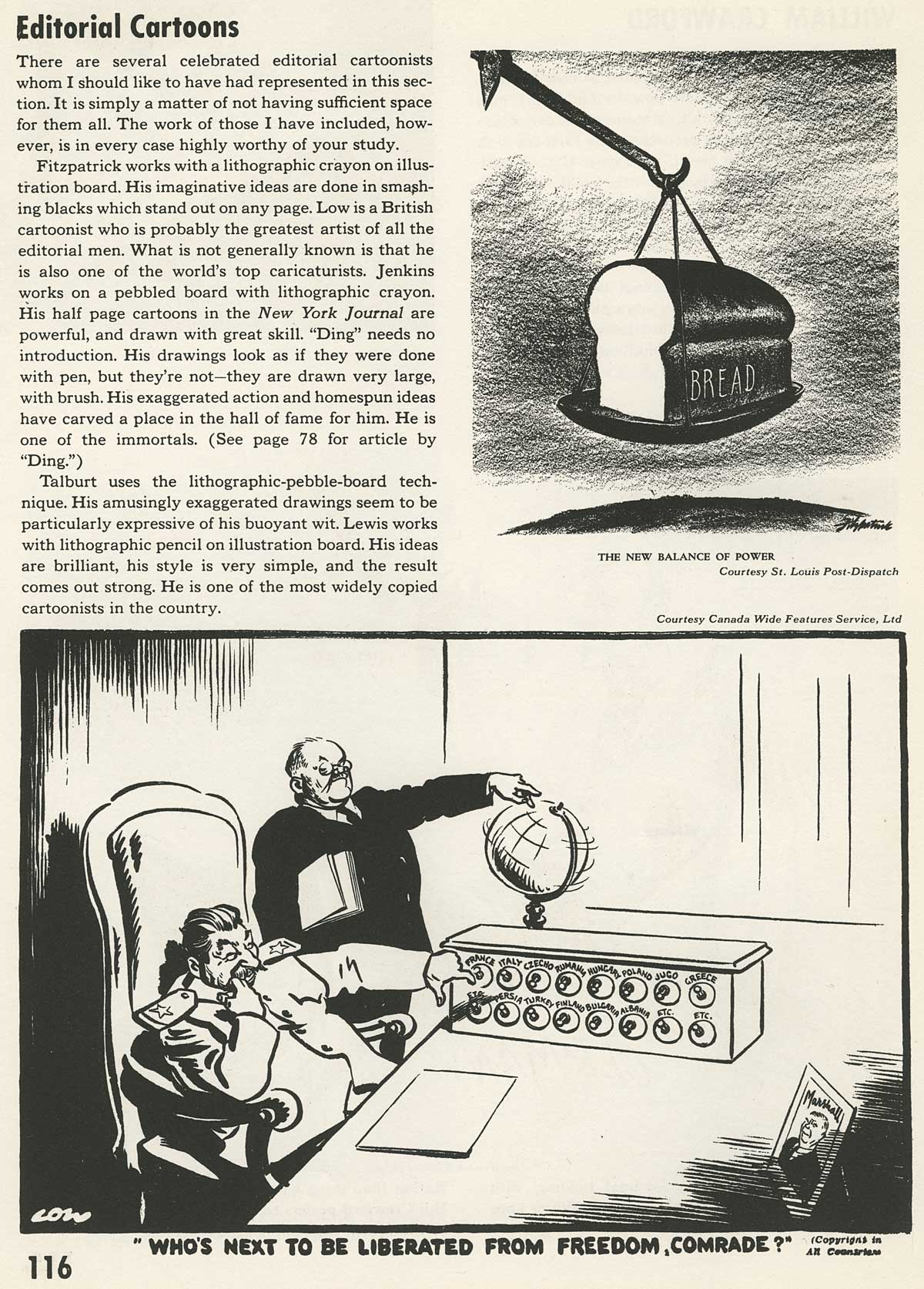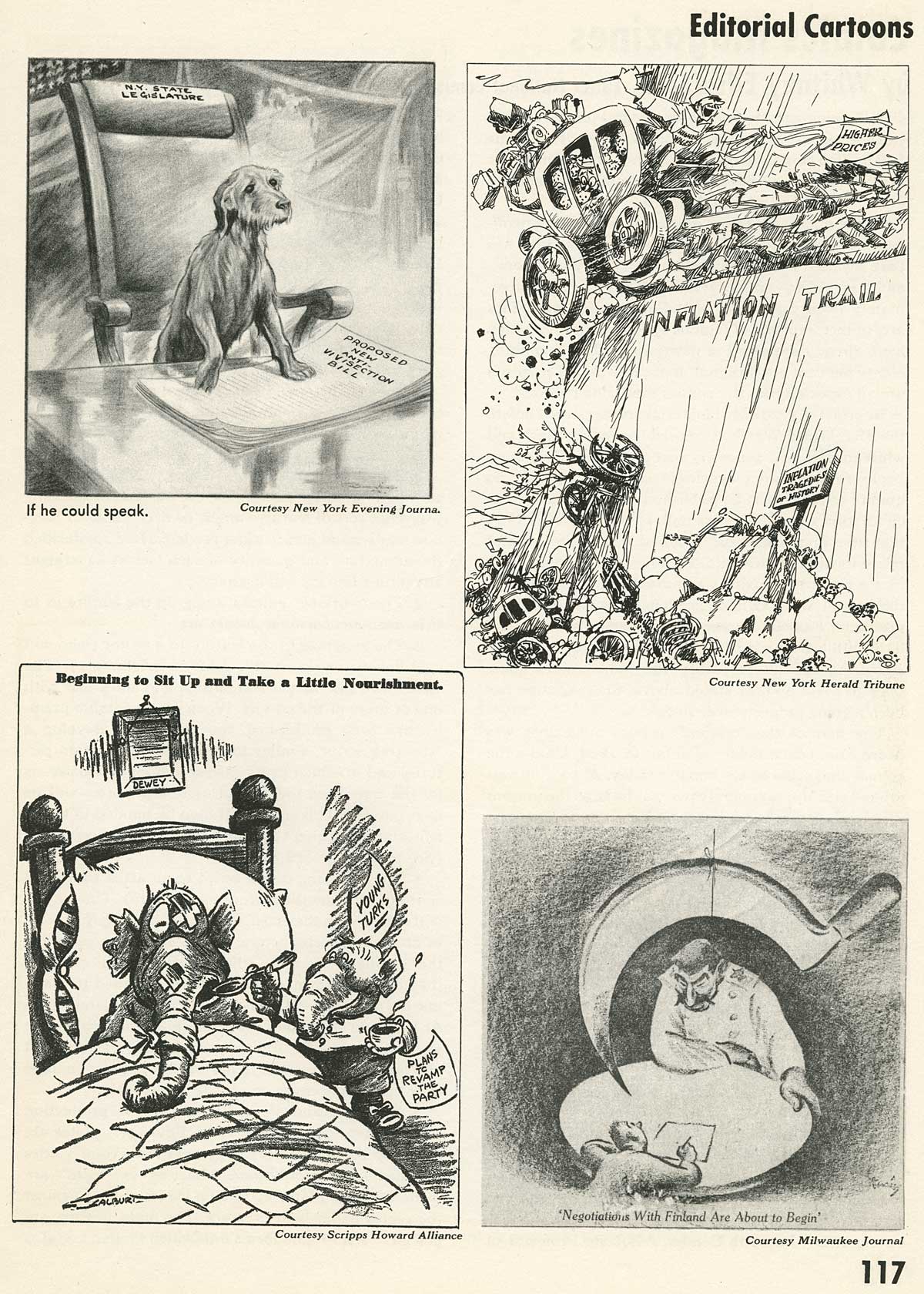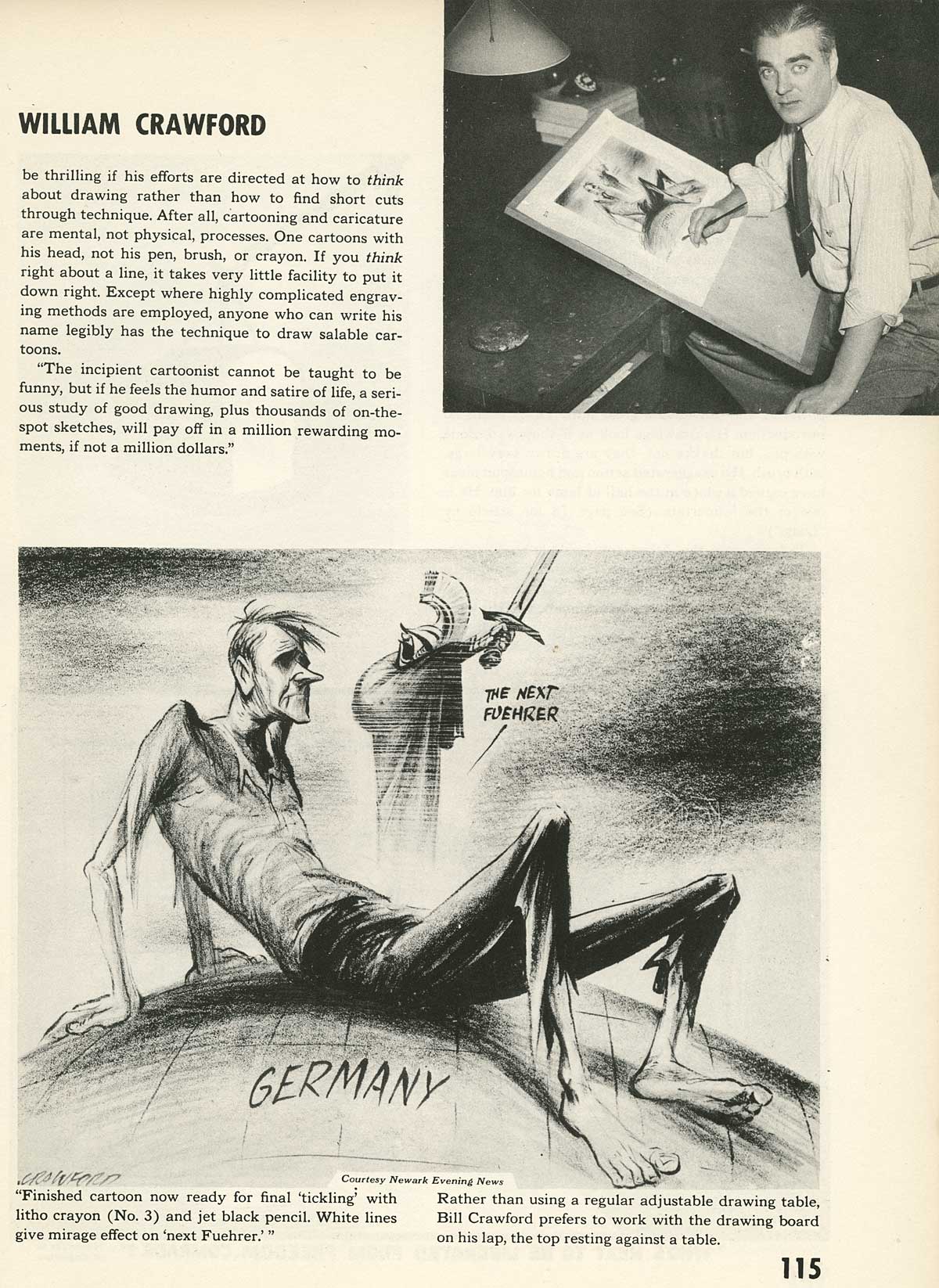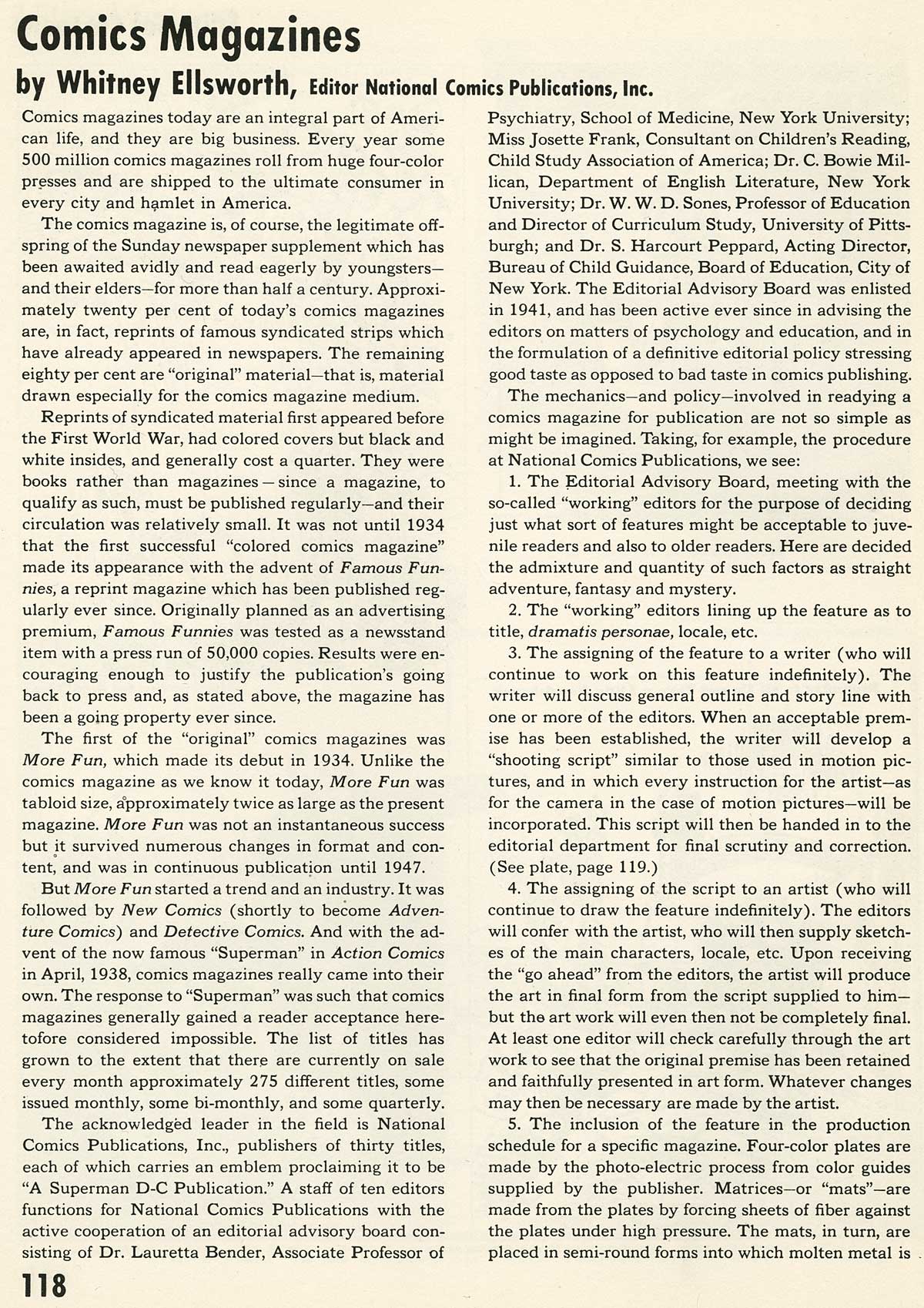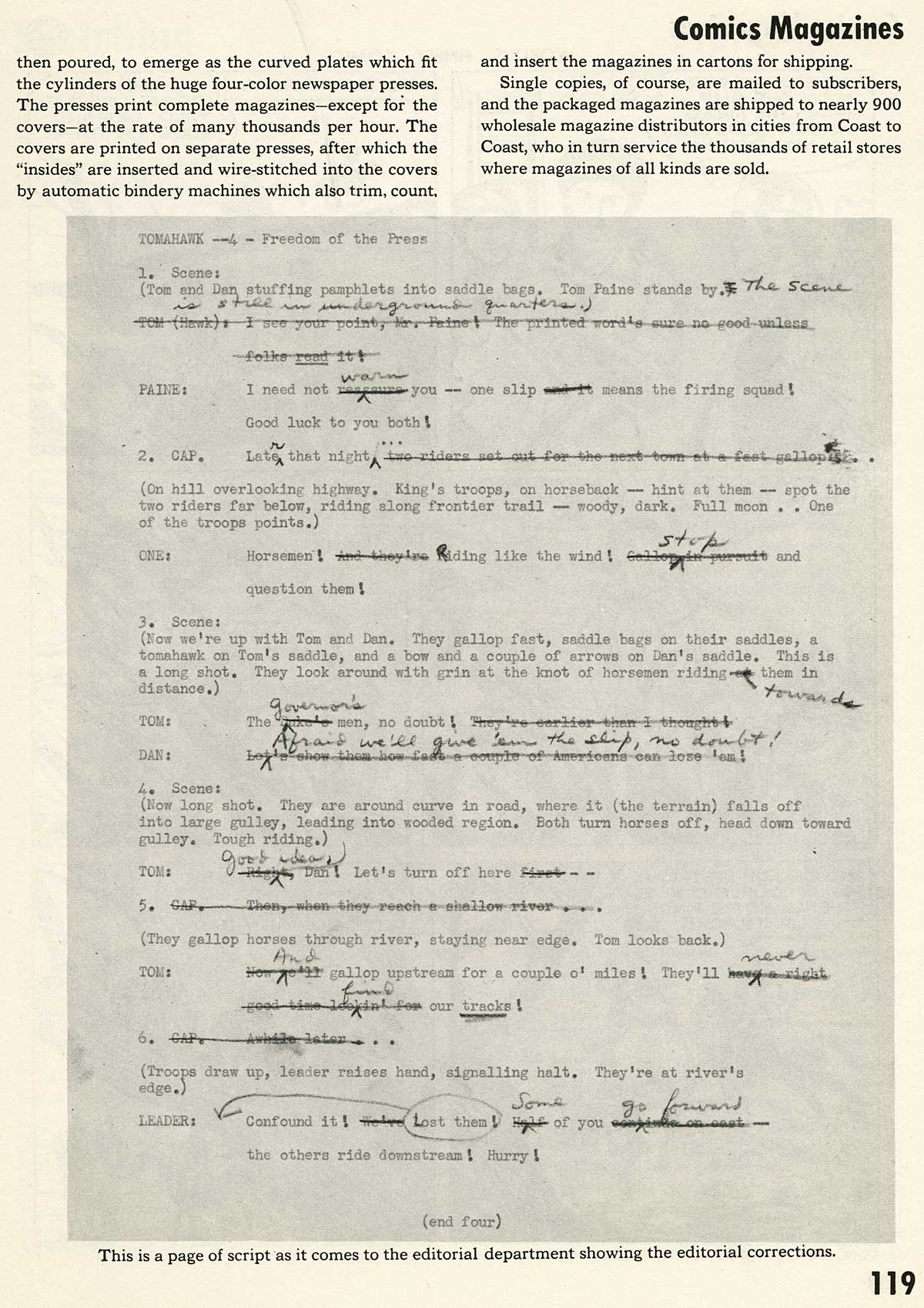


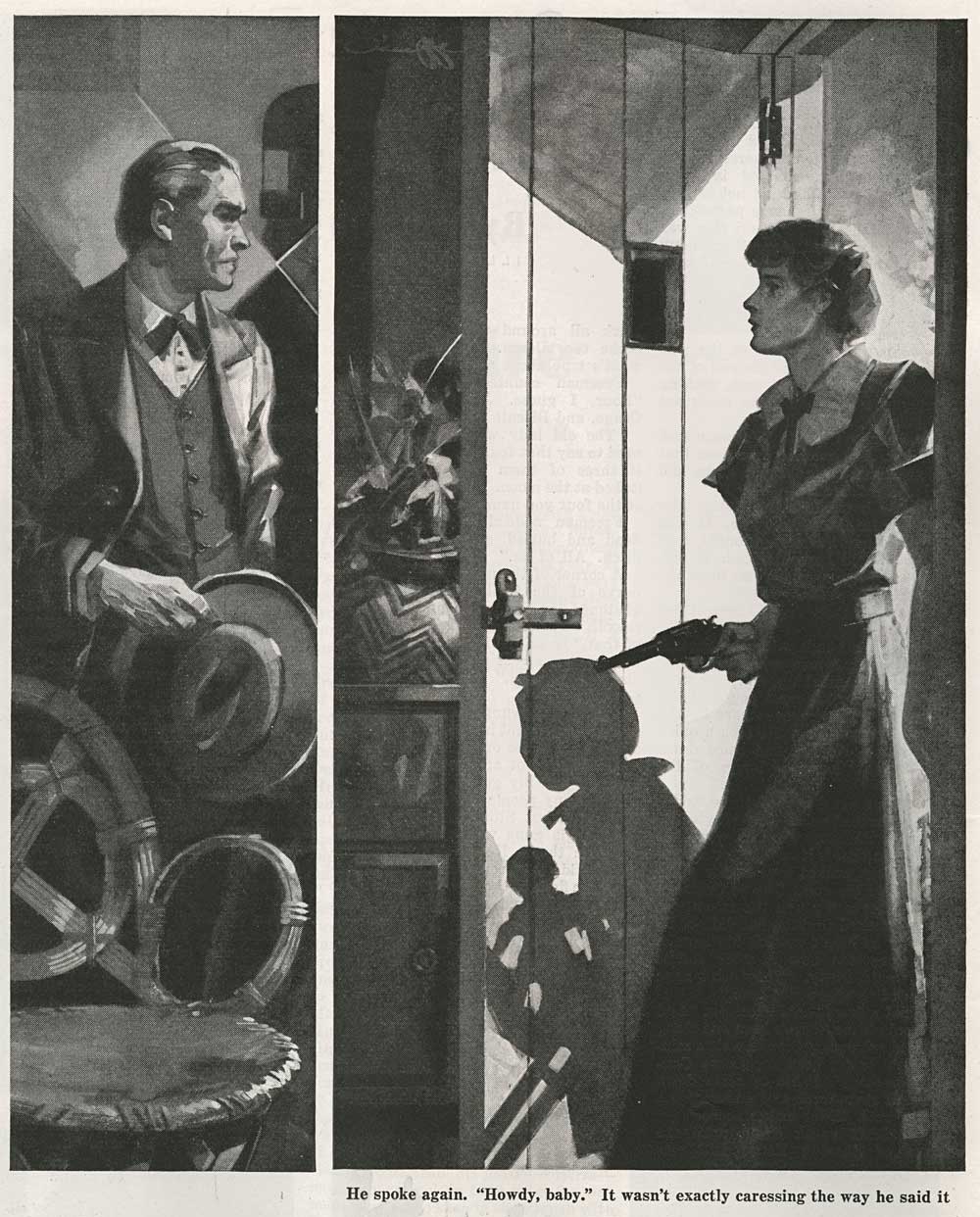
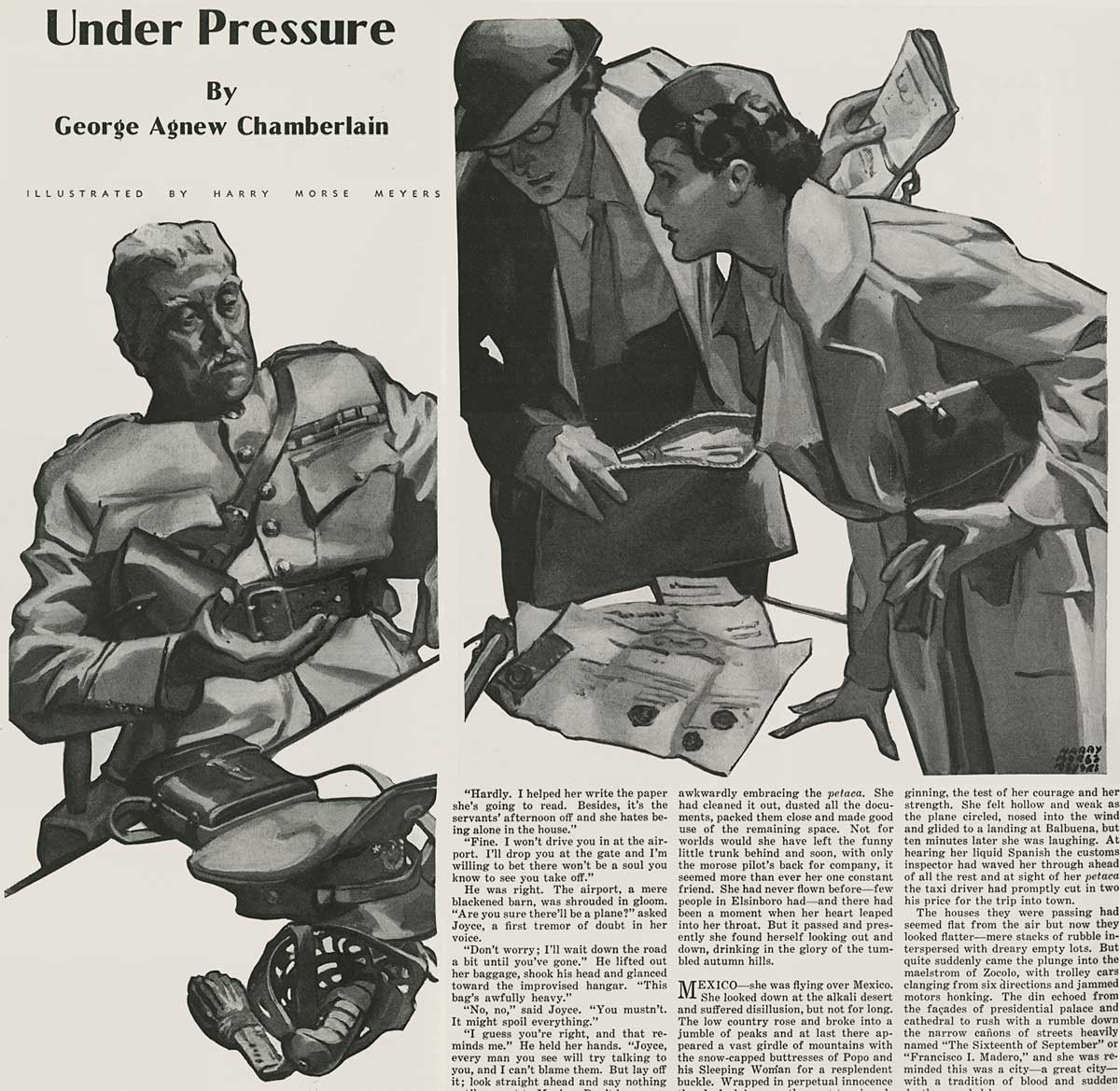
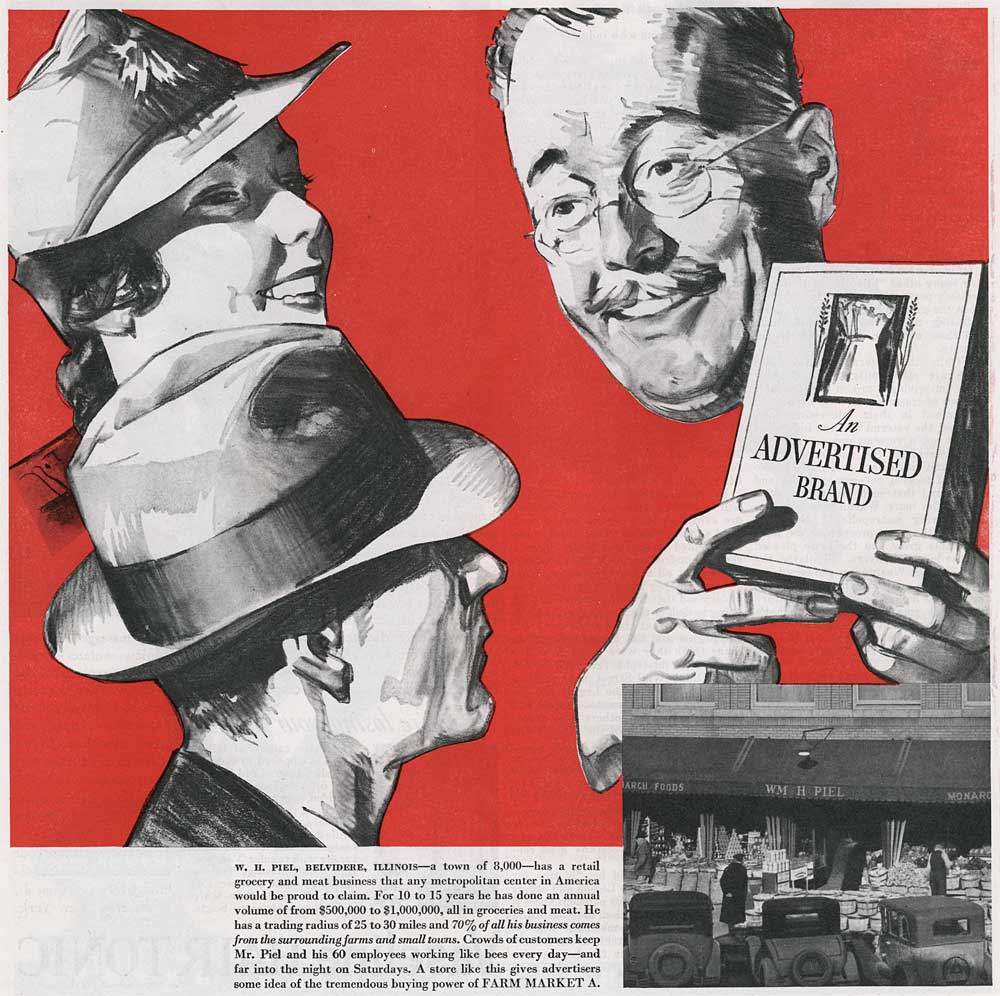
Animation Resources supporter, Mike Fontanelli brought by a stack of mid-1930s Colliers magazines for us to digitize. Colliers was the "Rolls Royce" of weekly magazines for many years, employing some of the greatest illustrators in the business. In browsing through page after page of beautiful wash paintings, I was struck by how rare it is to see illustrations like this any more. That’s just plain wrong.
In our digital age, programs like Photoshop have replaced brush and pen. But Photoshop doesn’t come close to the flexibility and variety of natural textures that water painting can provide. And in the hands of an experienced artist, a brush can knock out a finished painting much faster than with a computer. It just takes advance planning, concentration and an experienced hand.

Look at the beautiful compositions in these examples. The artists were working from a carefully constructed drawing, and they worked out every detail before paint touched paper. The light source and the value scale are precisely controlled to make the image "mesh" in your eye. There’s no wasted effort or extraneous detail. The paintings themselves were executed very quickly.
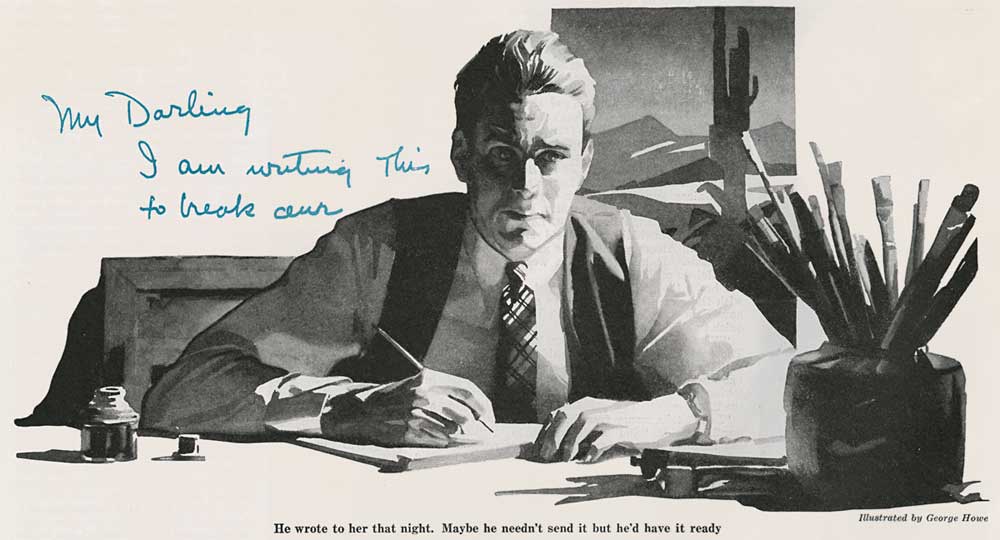
That’s the exact opposite of the way that a digital image is created. Instead of making all the creative decisions up front, the digital artist makes those decisions as he paints. In Photoshop, it’s typical to build up the illustration in layers, stacking up planes that can be shifted around as needed. The composition evolves, created in sections and joined with blurred seams to connect them. This evolutionary process may result in an image that is acceptably complex, but it doesn’t lend itself to creating a strong or unified statement.
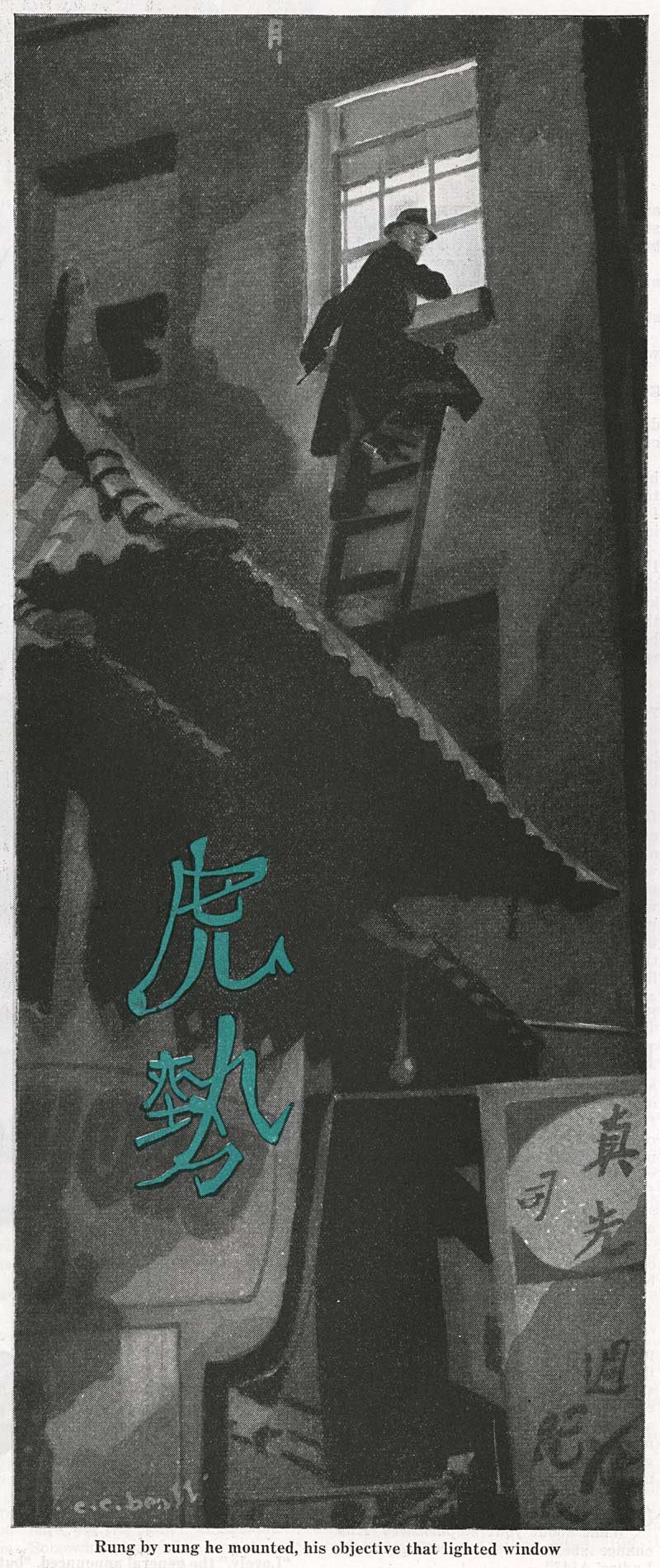
 Recently, I saw a cityscape background from an animated feature that had been created by cutting and pasting pieces of images together. The light came from six different directions. The perspective changed from one part of the image to another. If you looked at any one small section, it looked OK, but the whole didn’t work together. The overall impression was cacophony. Worse yet, the image looked terrible if it was reduced in size or resolution. The scale of the overall composition and the degree of detail was uniform across the entire image. When you resized or reduced the resolution, it all turned to mush.
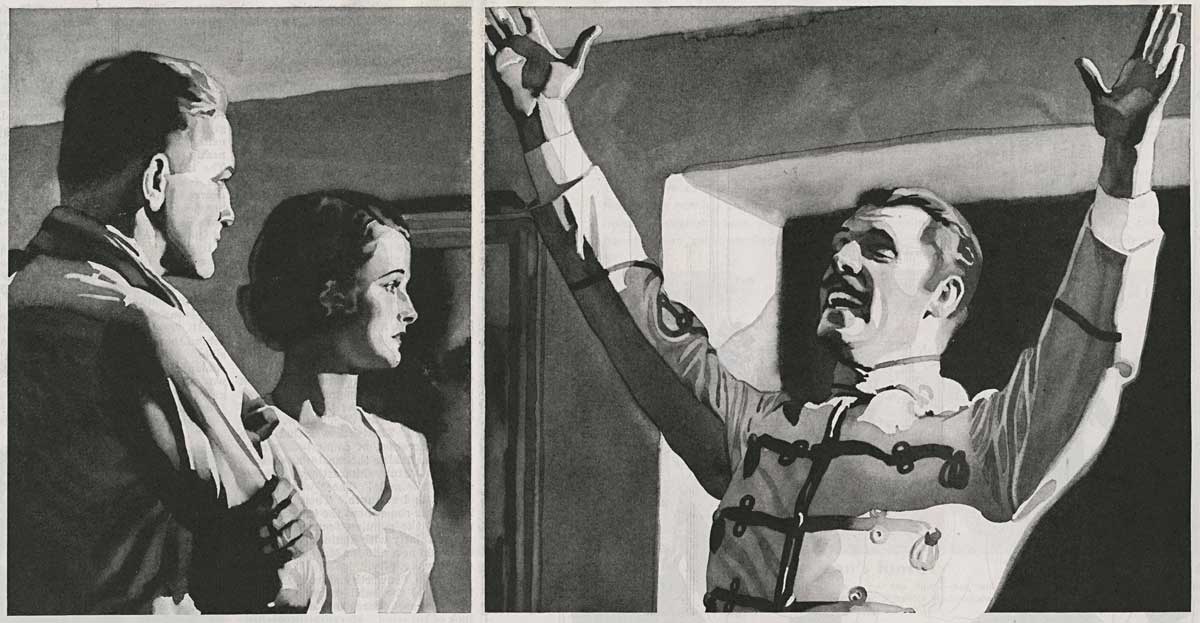
Contrast that with these beautiful wash paintings… The overall composition reads no matter how small you make it, and there’s a lot of variety between sharp details (in the faces and hands) and loose brushwork (in the fabric and backgrounds). This keeps your eye focused on the important part of the composition. But there’s an even bigger difference… Even when enlarged many times, these paintings still look good because of what watercolor painters refer to as the "happy accidents". Any digital anomaly or seam between layers in a Photoshop image will stand out like a sore thumb, but a loose brush stroke, a bit of paper peeking through the dry brush, or a bleeding bit of pigment can look beautiful. The accidents are natural looking.

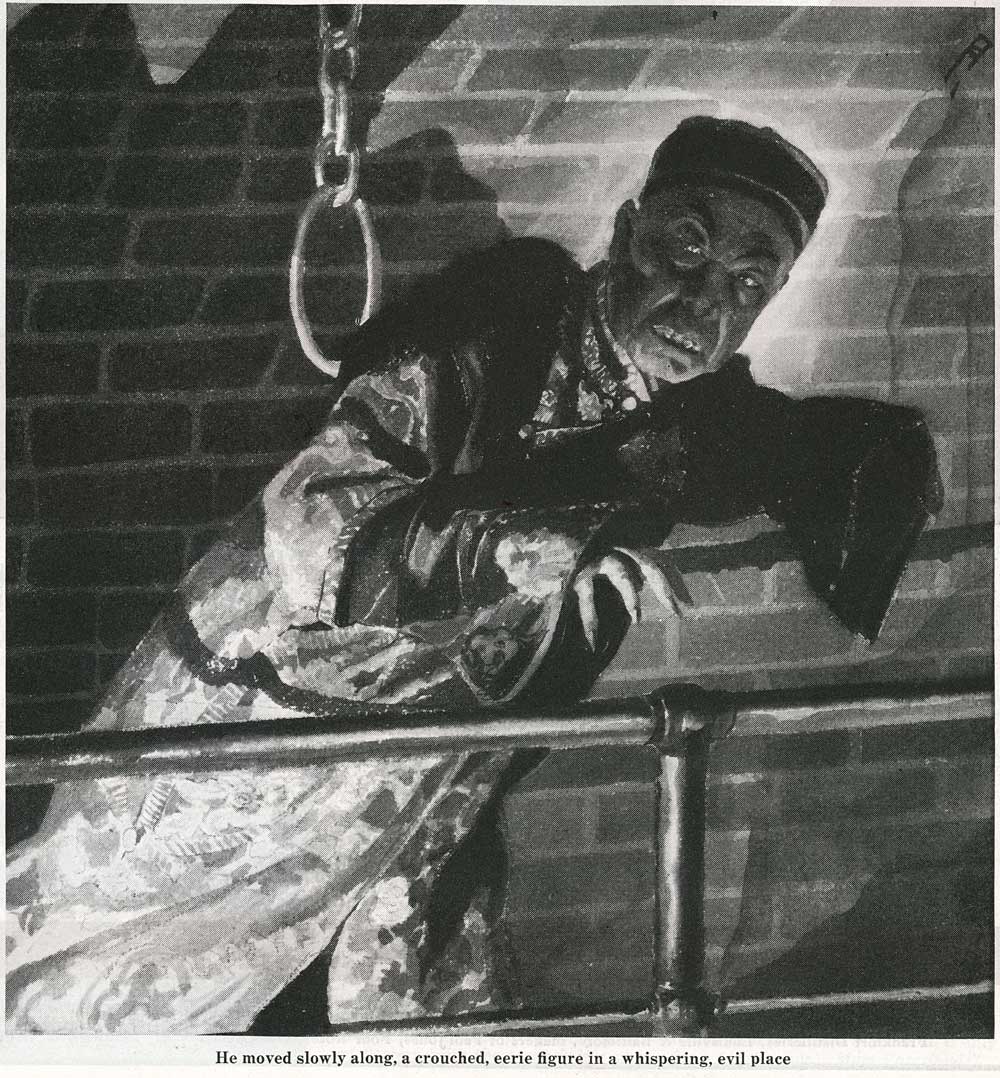
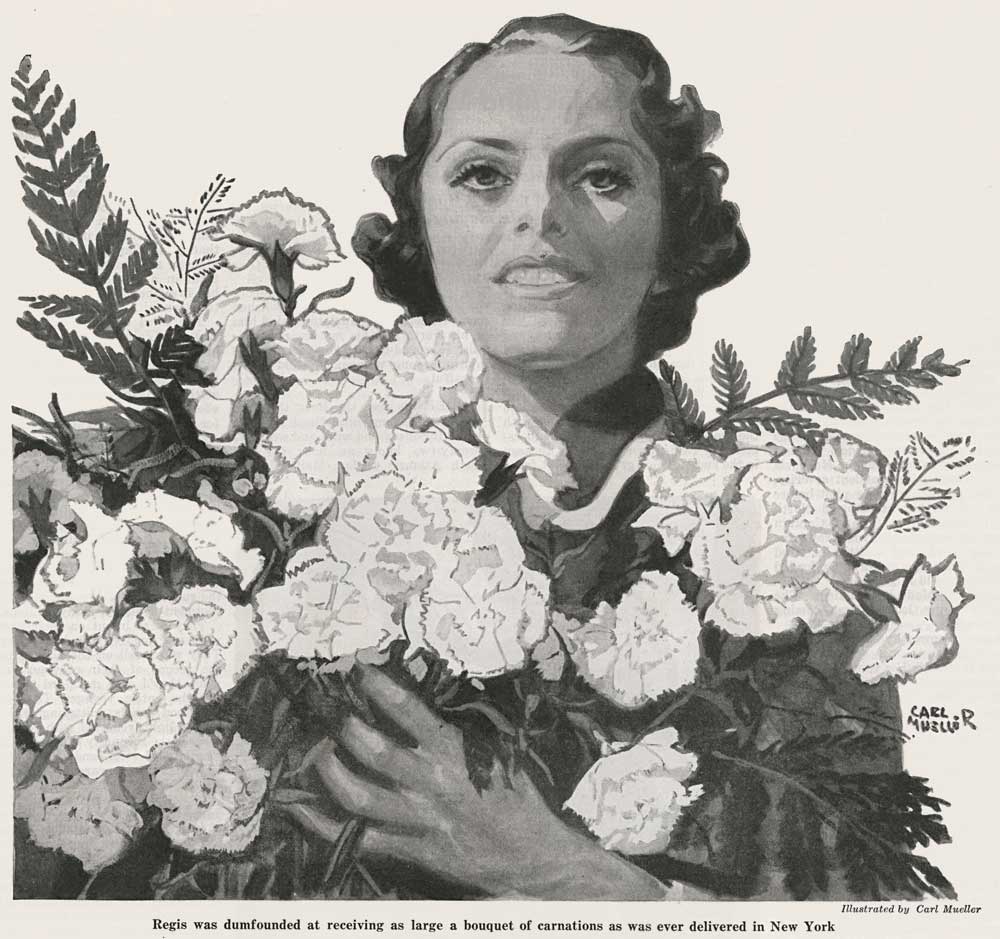
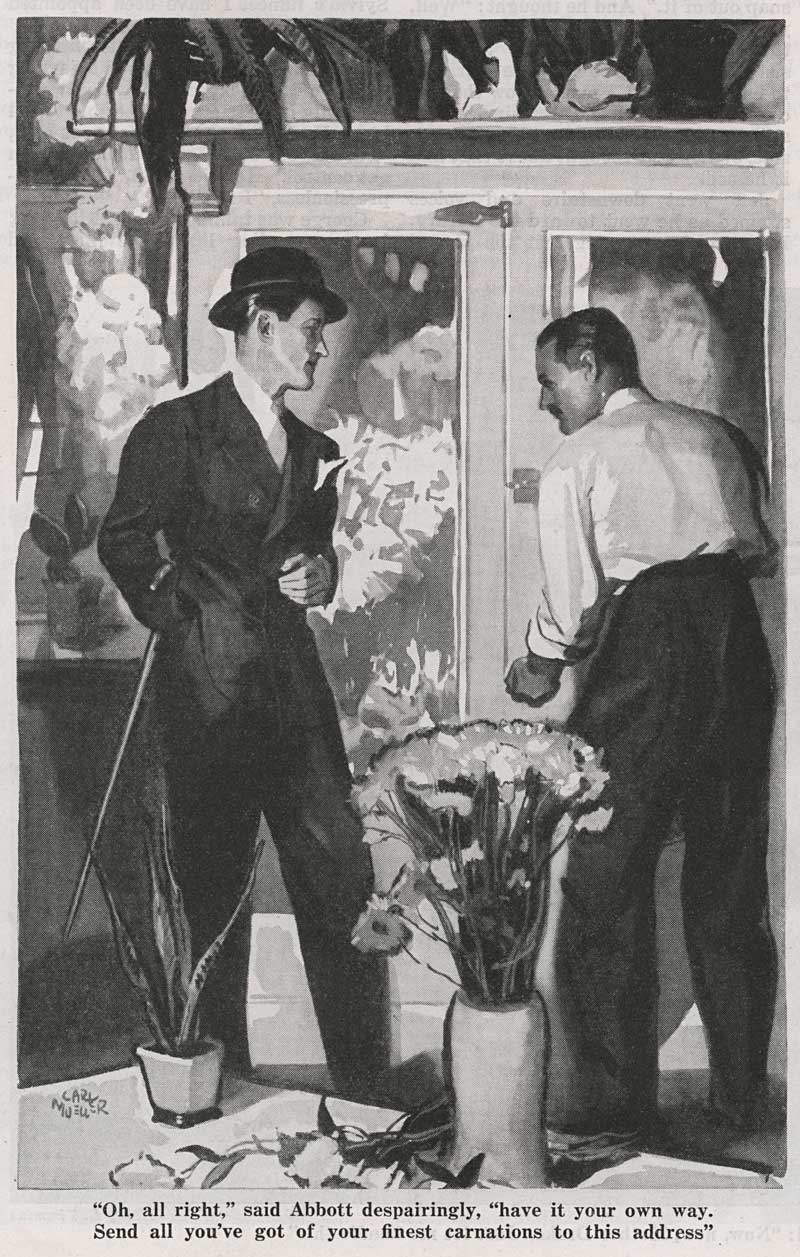
All of the images you see here come from two issues of Colliers from 1934. Every week, the staff artists had to quickly produce striking images to accompany the articles. Speed was of the essence. Wash painting was a quick and beautiful solution.
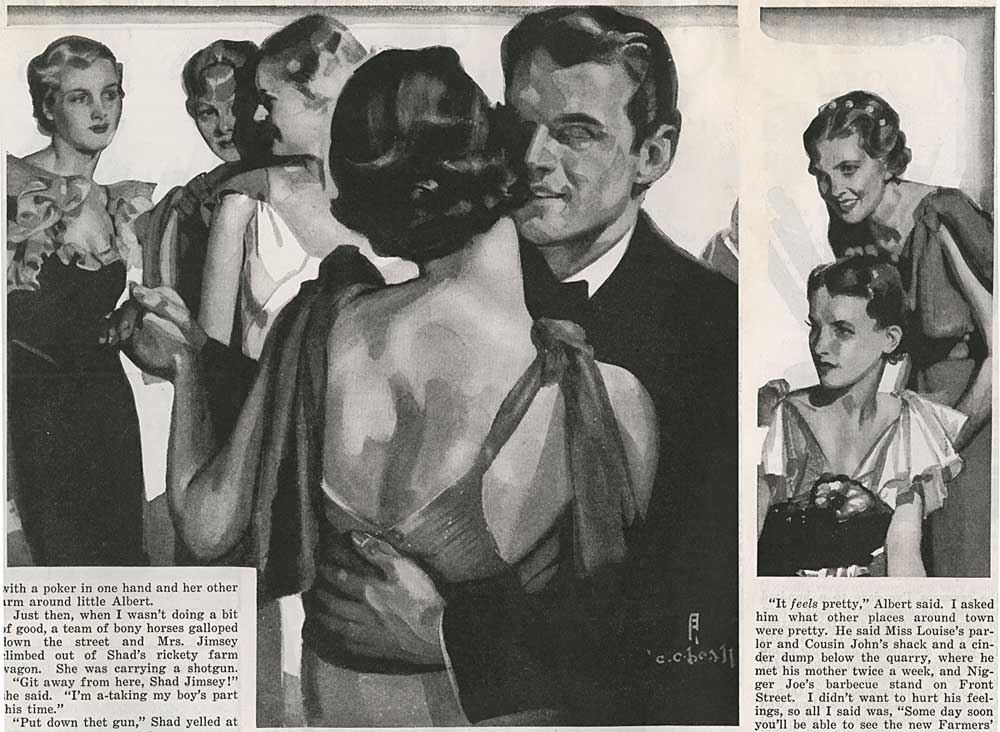
One week, an artist might be illustrating a romance…
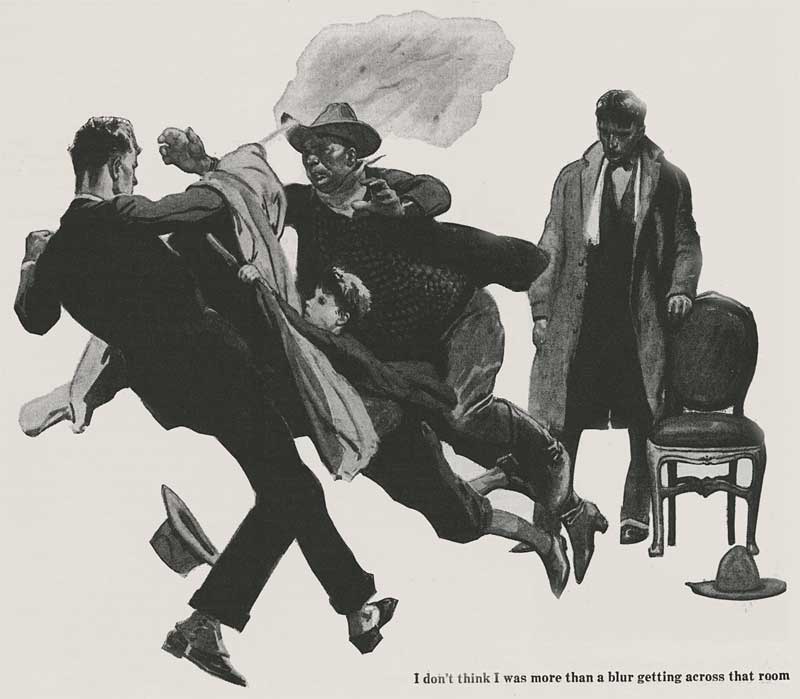
The next week a Western adventure…
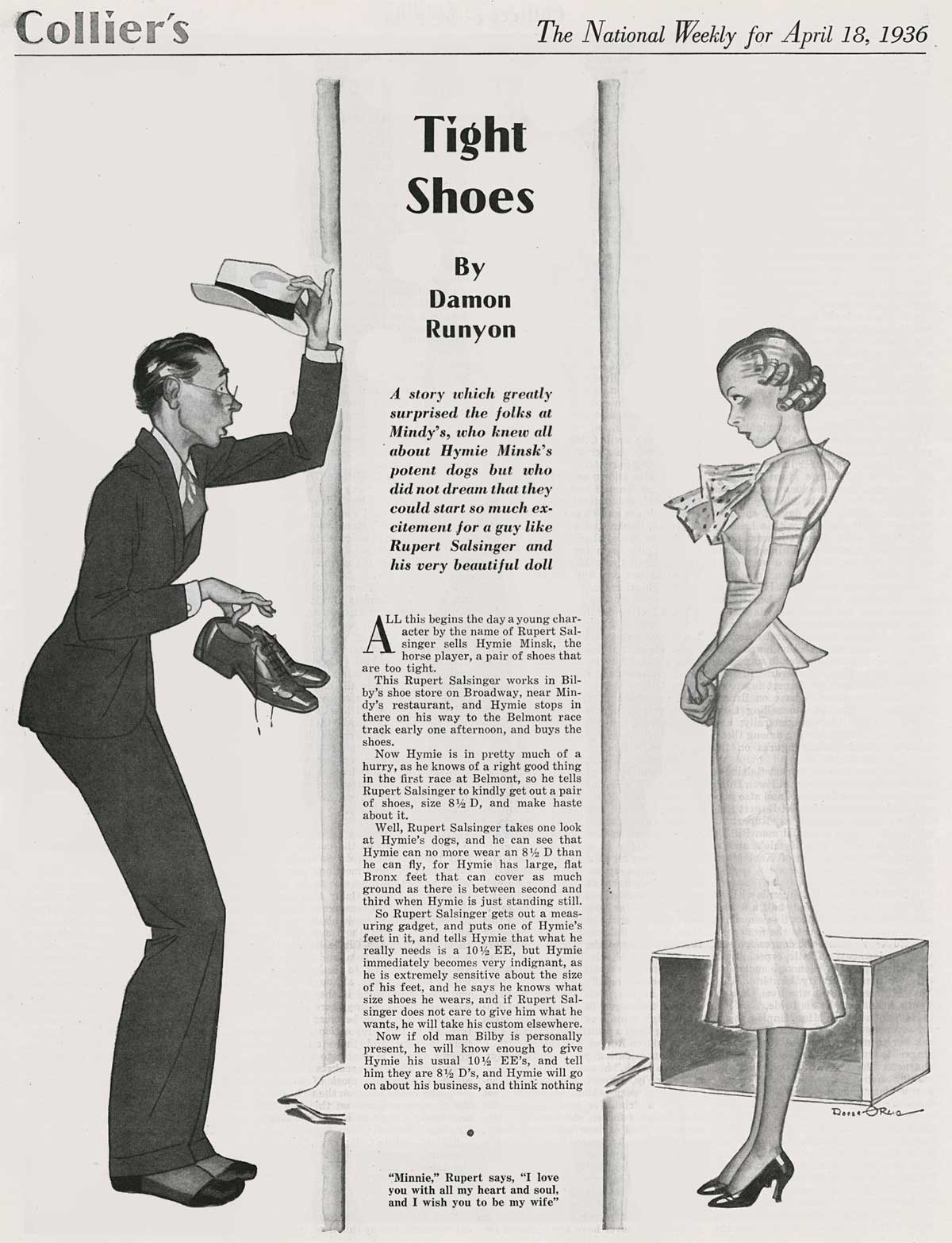
The technique lent itself to both realistic depiction and cartoony stylization.
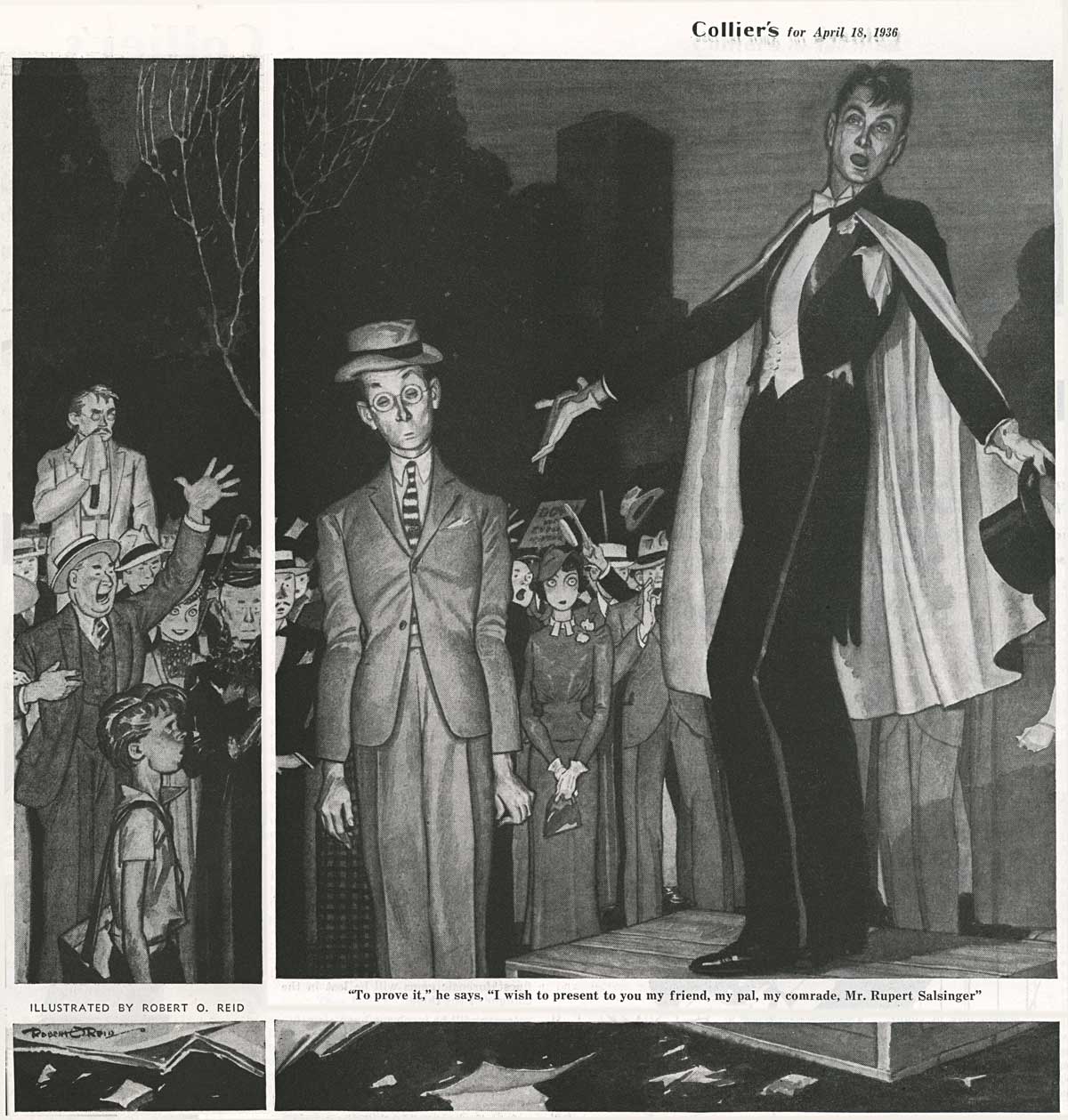
If you haven’t checked them out yet, make sure to take a look at our previous posts on 30s & 40s Colliers illustrations and Wartime Colliers. There’s a wealth of great images in old magazines like this.

Many thanks to Mike Fontanelli for sharing these with us. He has a stack of Colliers with Earl Oliver Hurst covers that he will be bringing by soon. I can’t wait to see those.
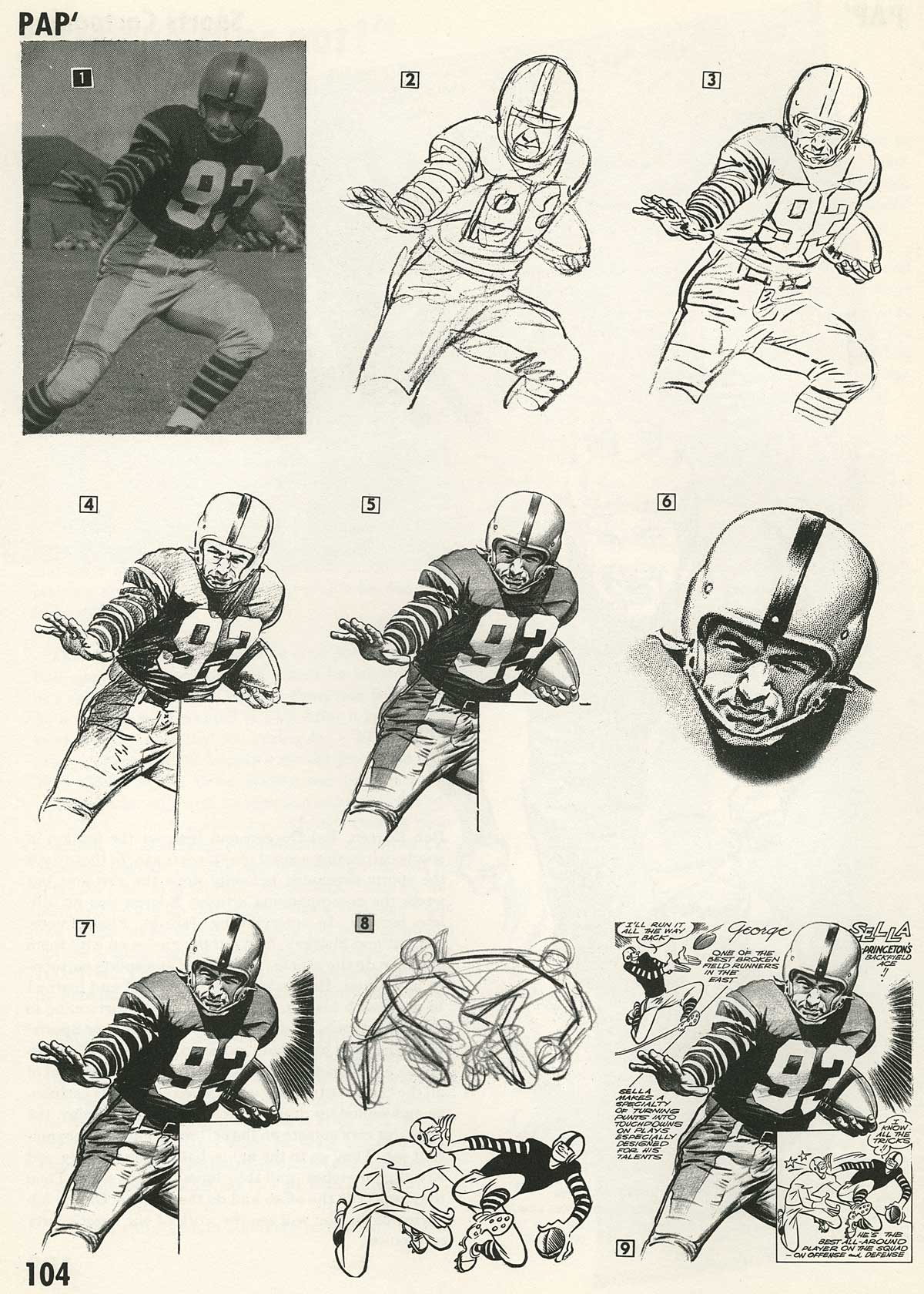
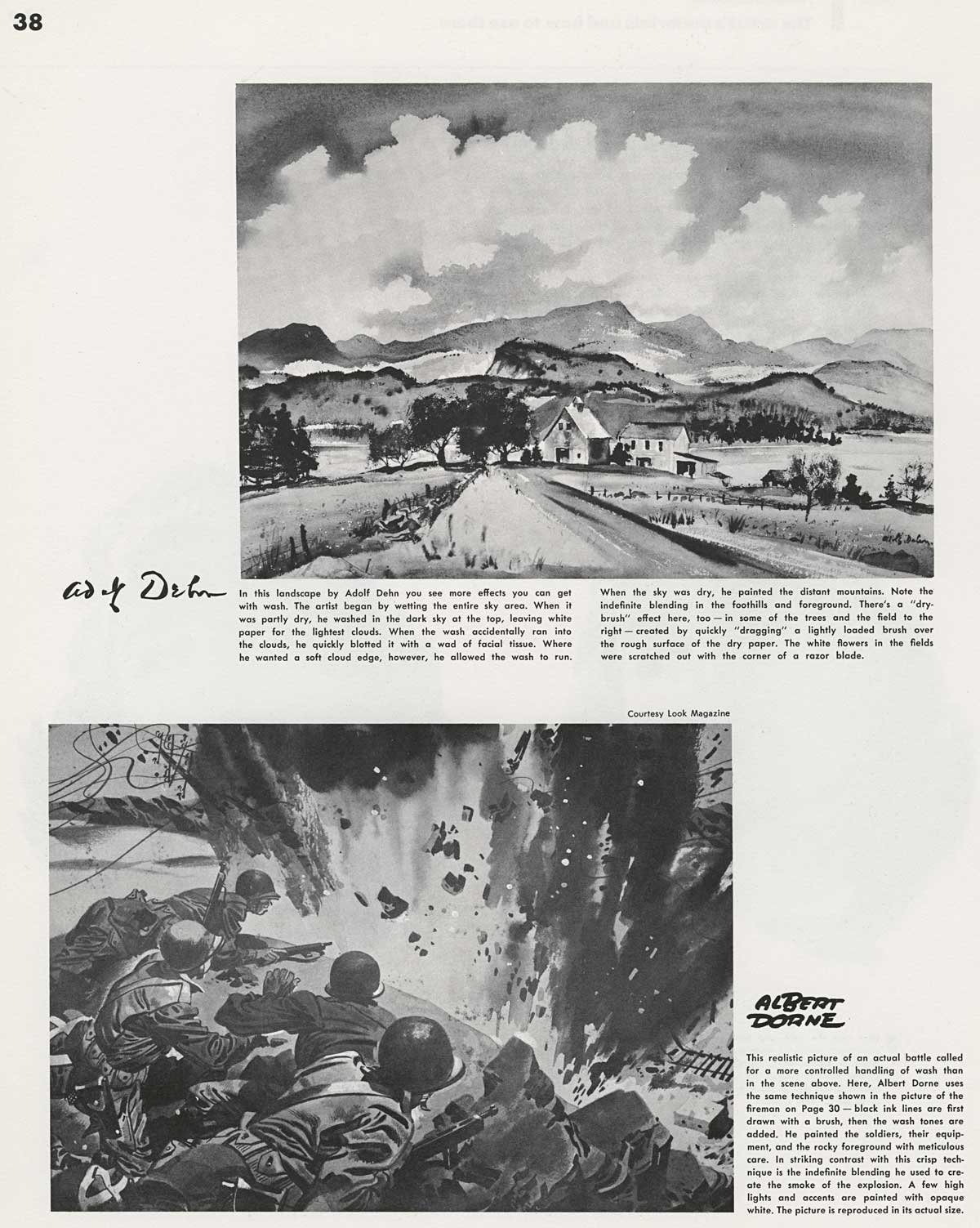
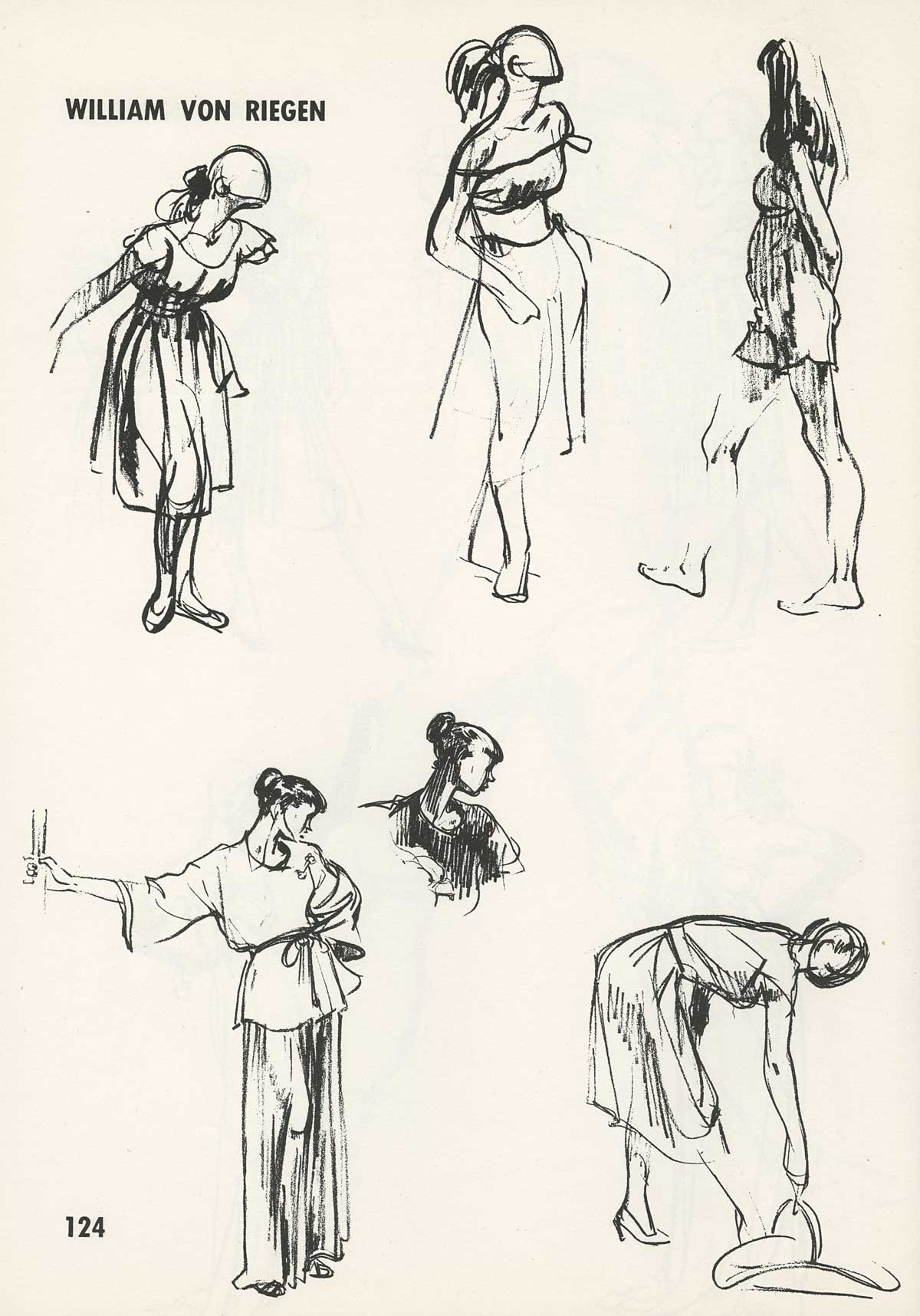
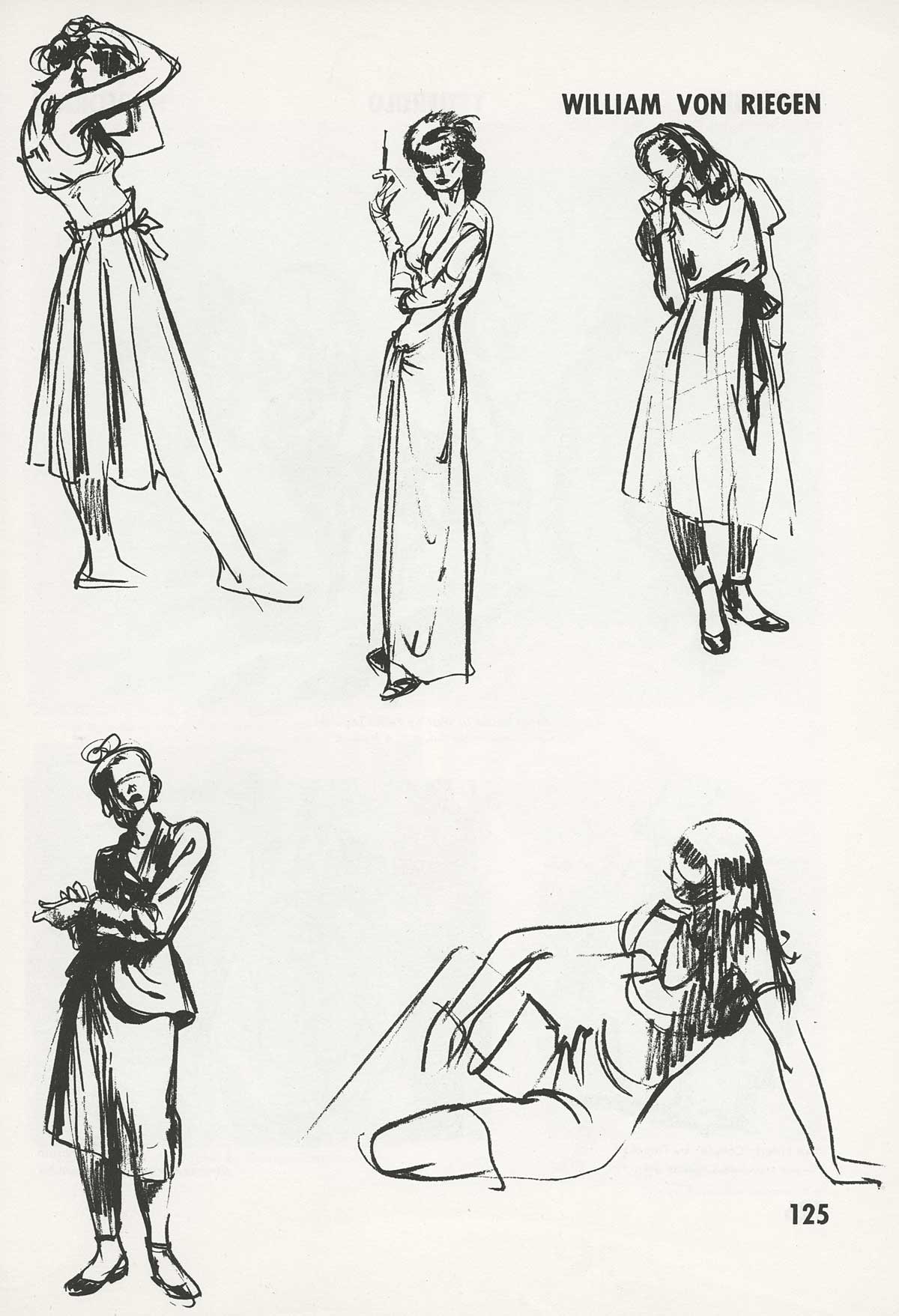
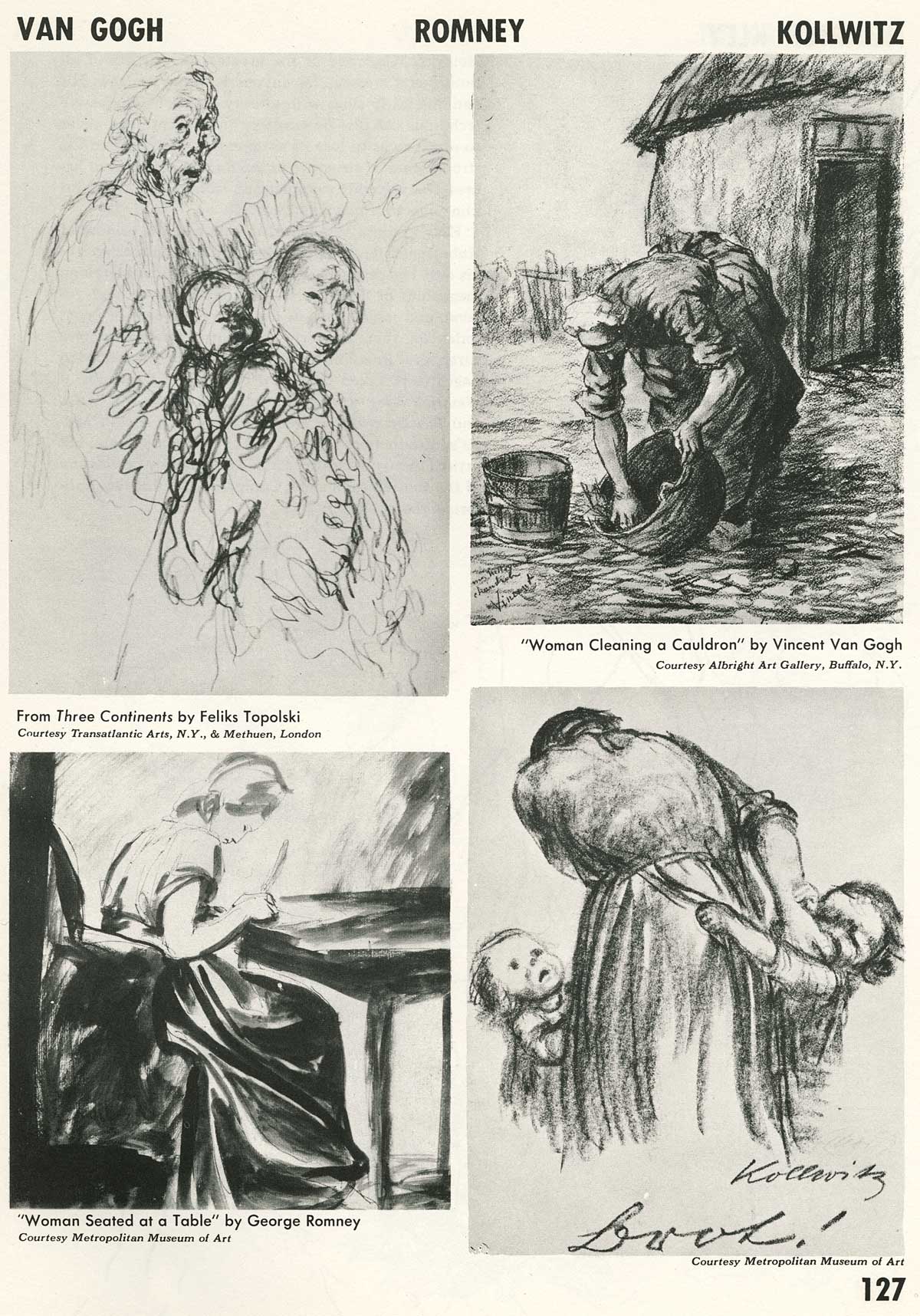
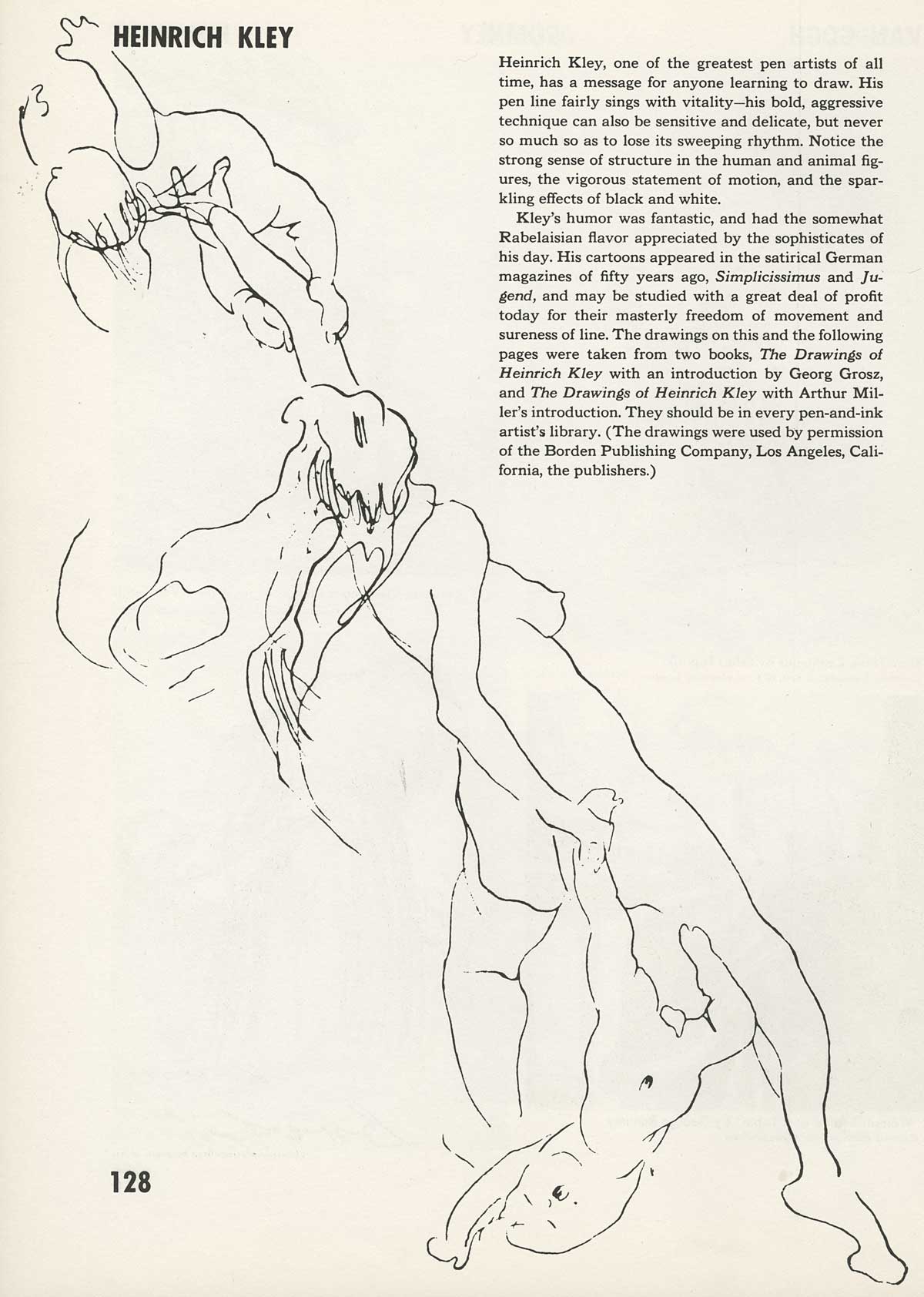
If these amazing images have inspired you, and you’d like a project to sharpen your art skills, here’s a lesson from the fabulous Famous Artists Course. Pull out your brushes and some lamp black and give it a try. Have fun!
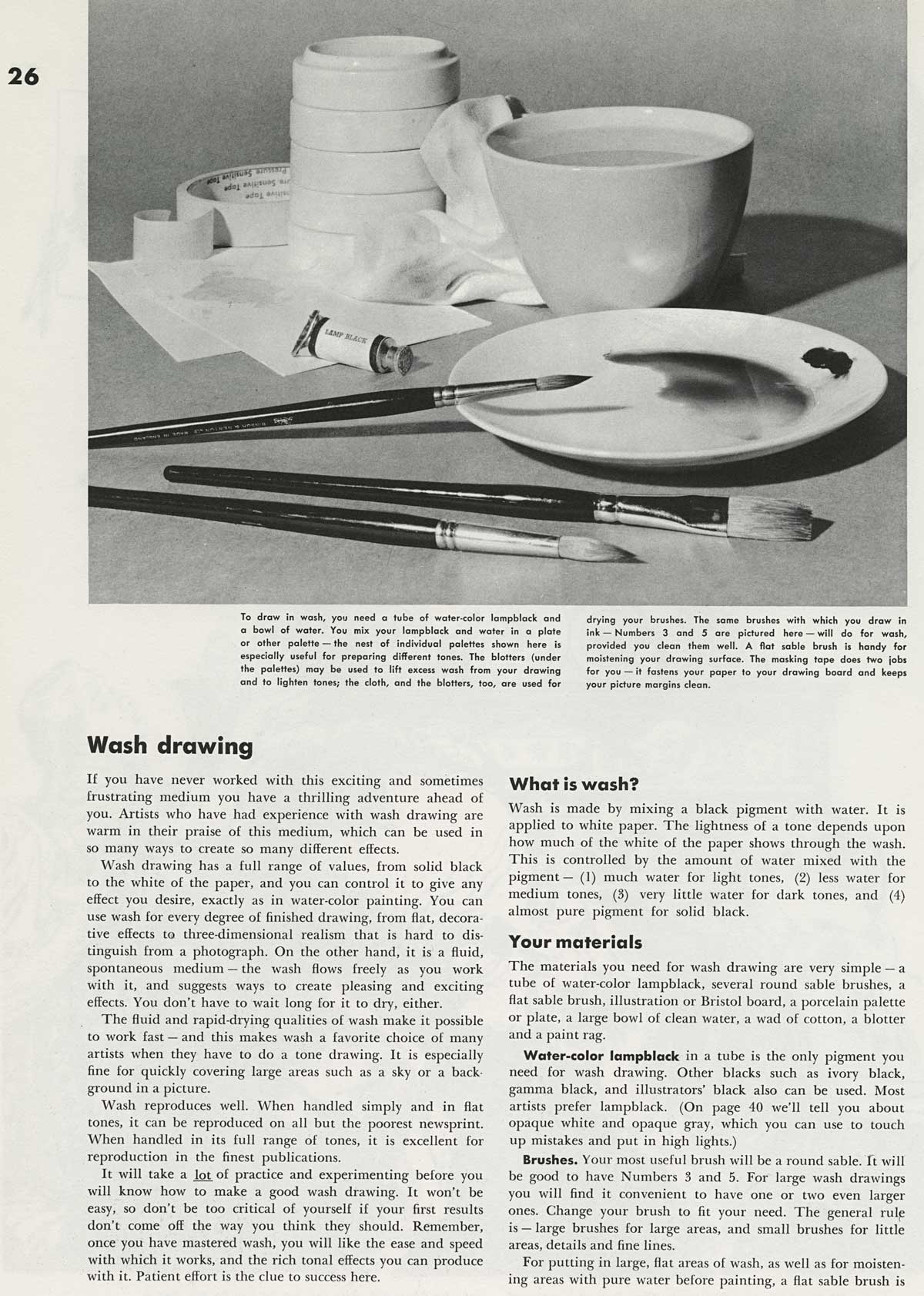
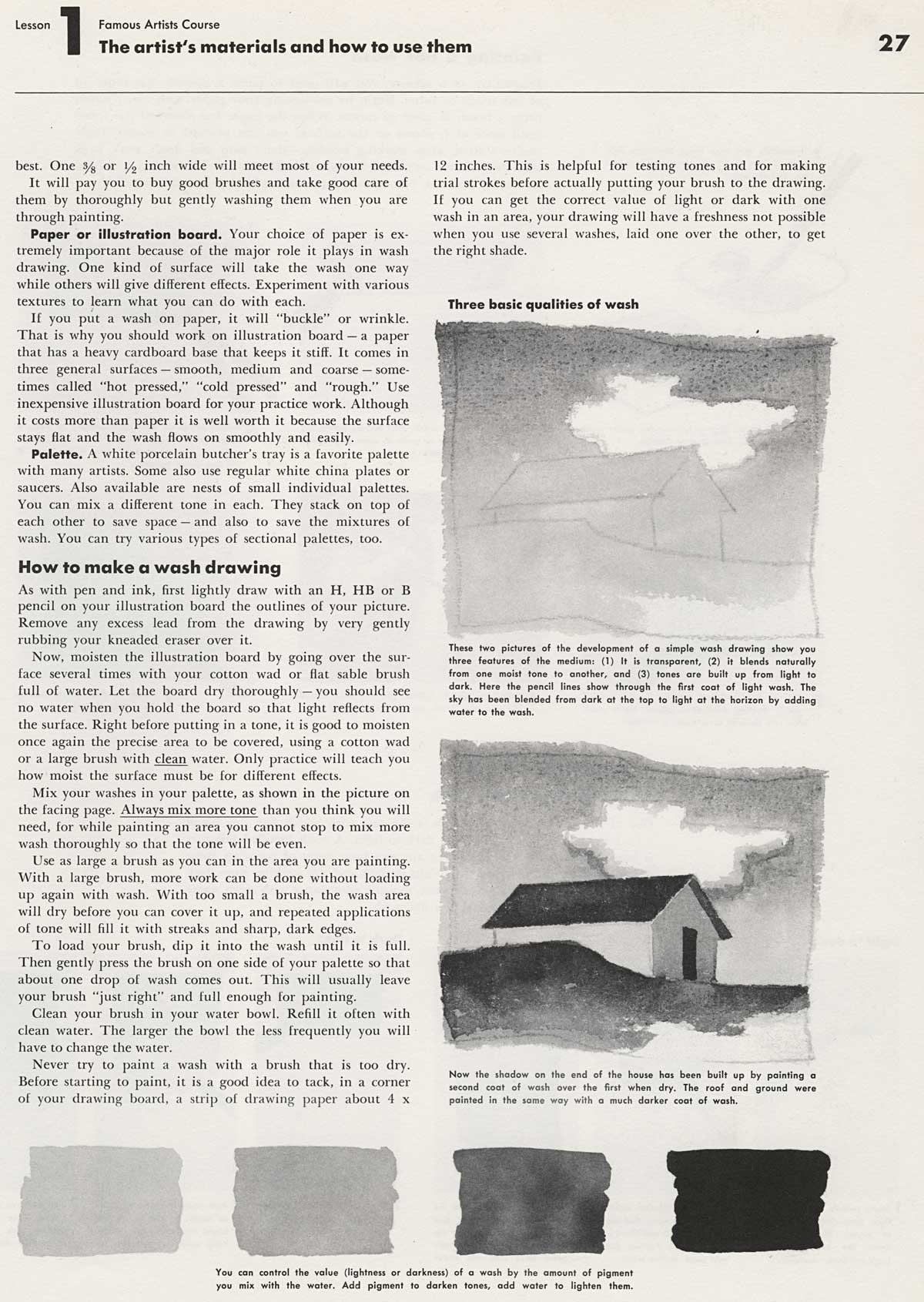
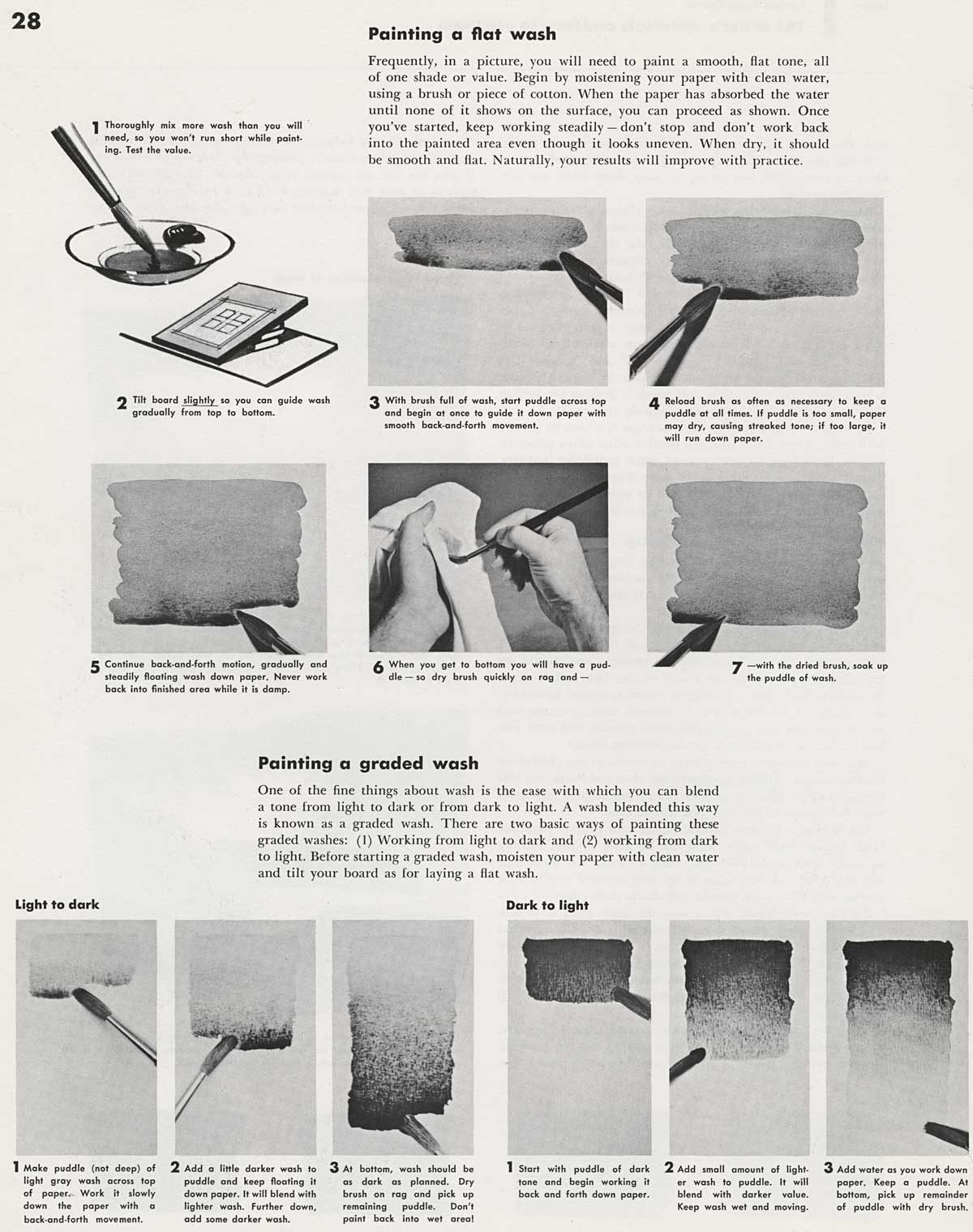
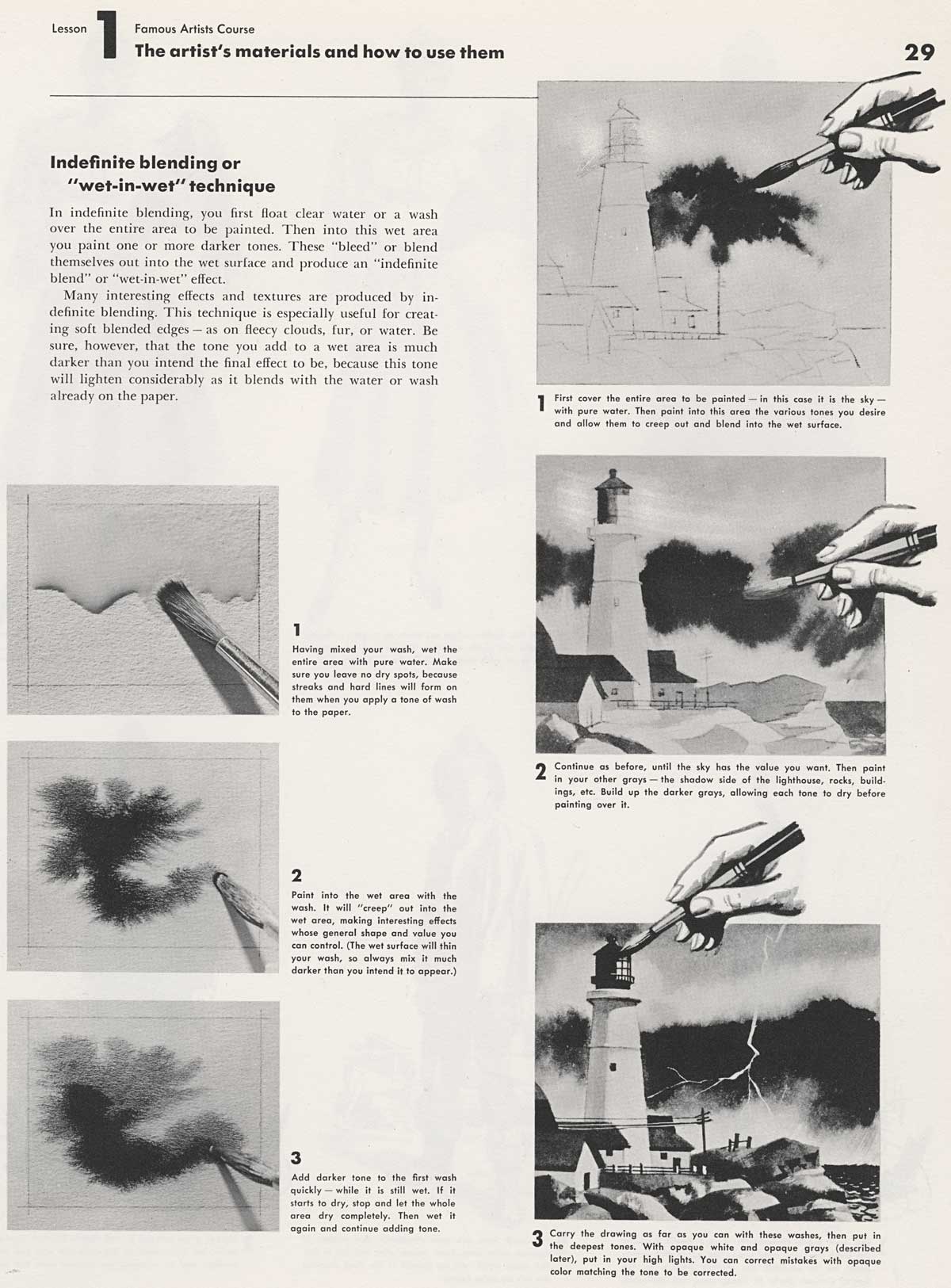
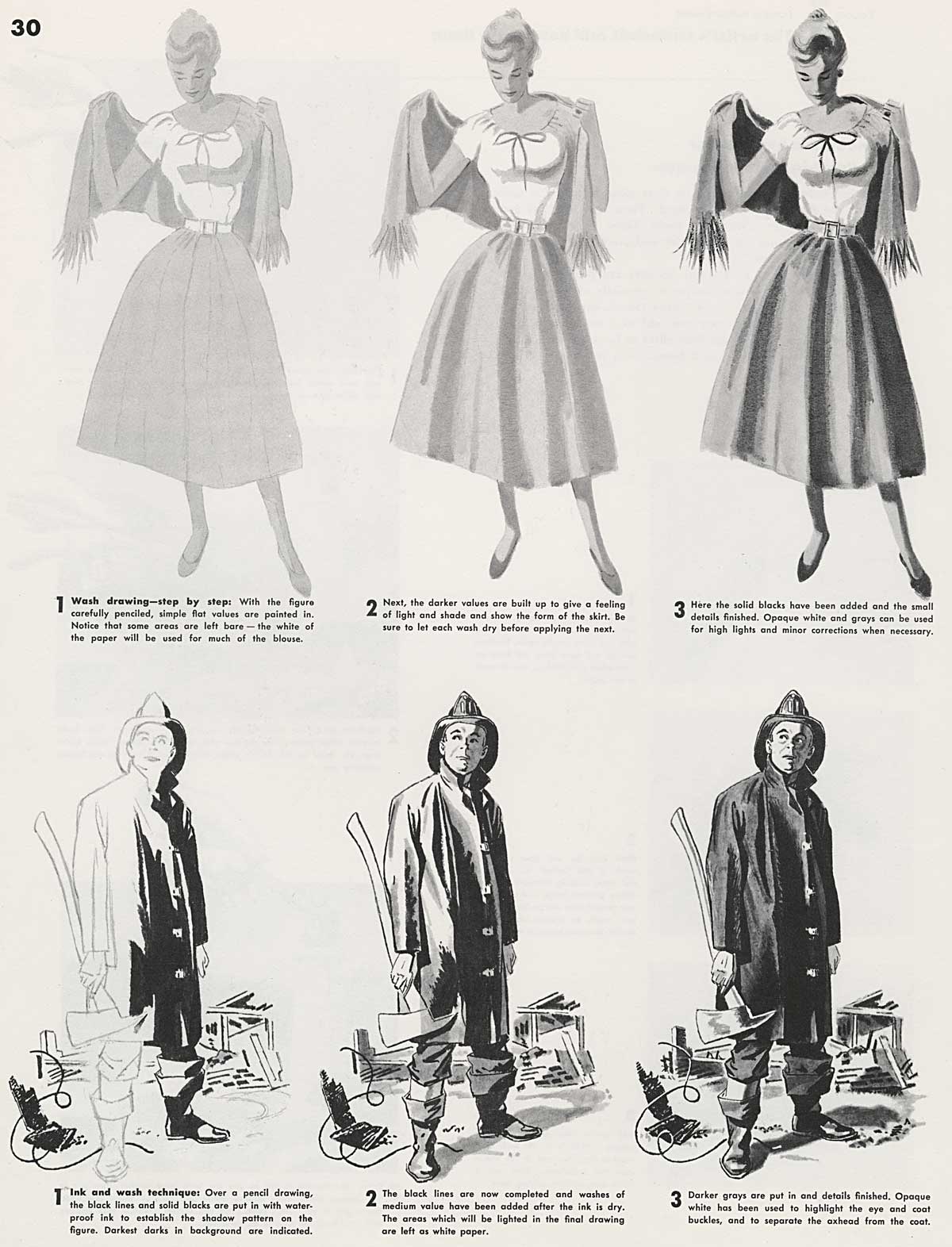
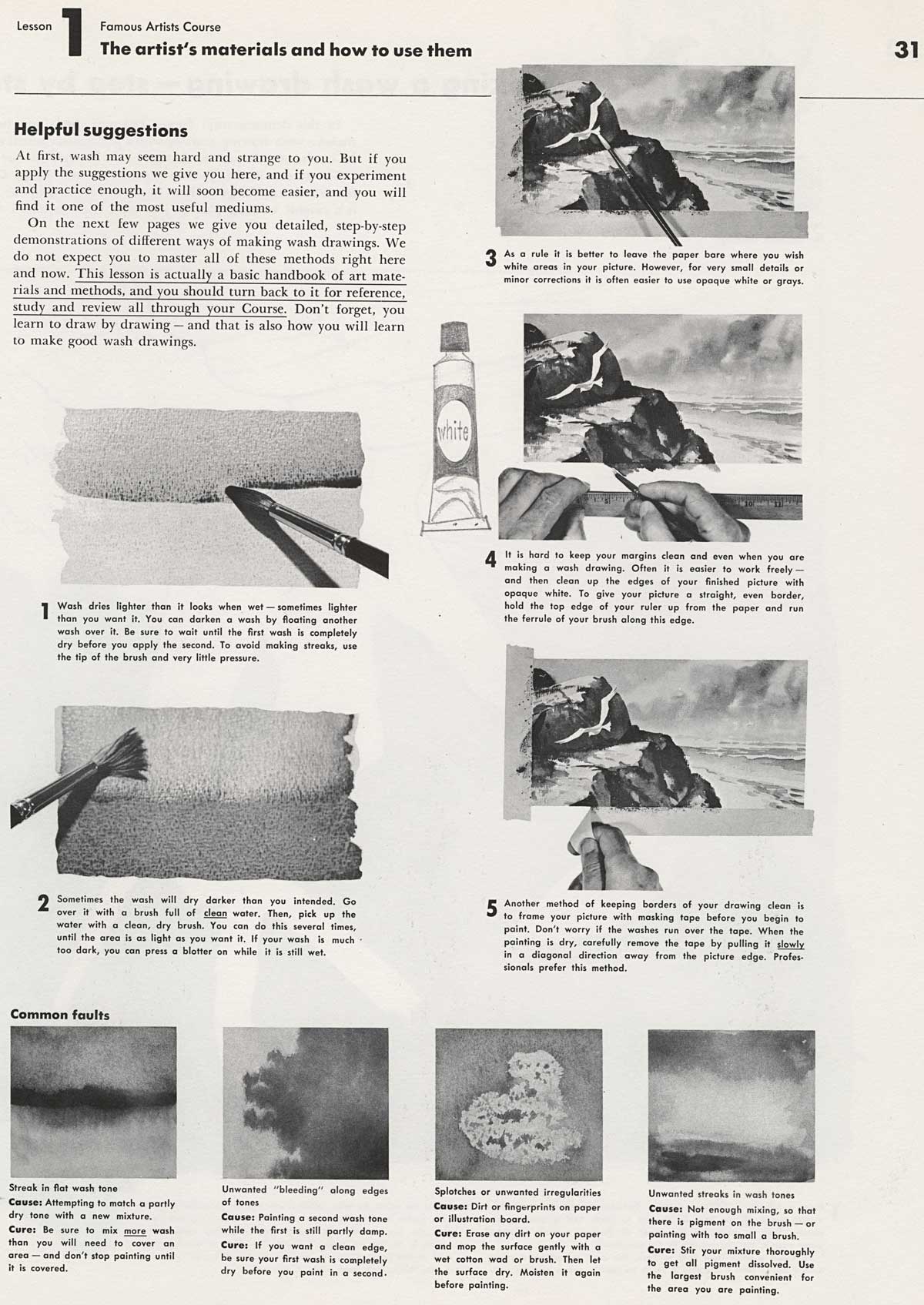
FAMOUS ARTISTS ON WASH PAINTING PART TWO: Step By Step Through Paintings By Dohanos and Whitcomb

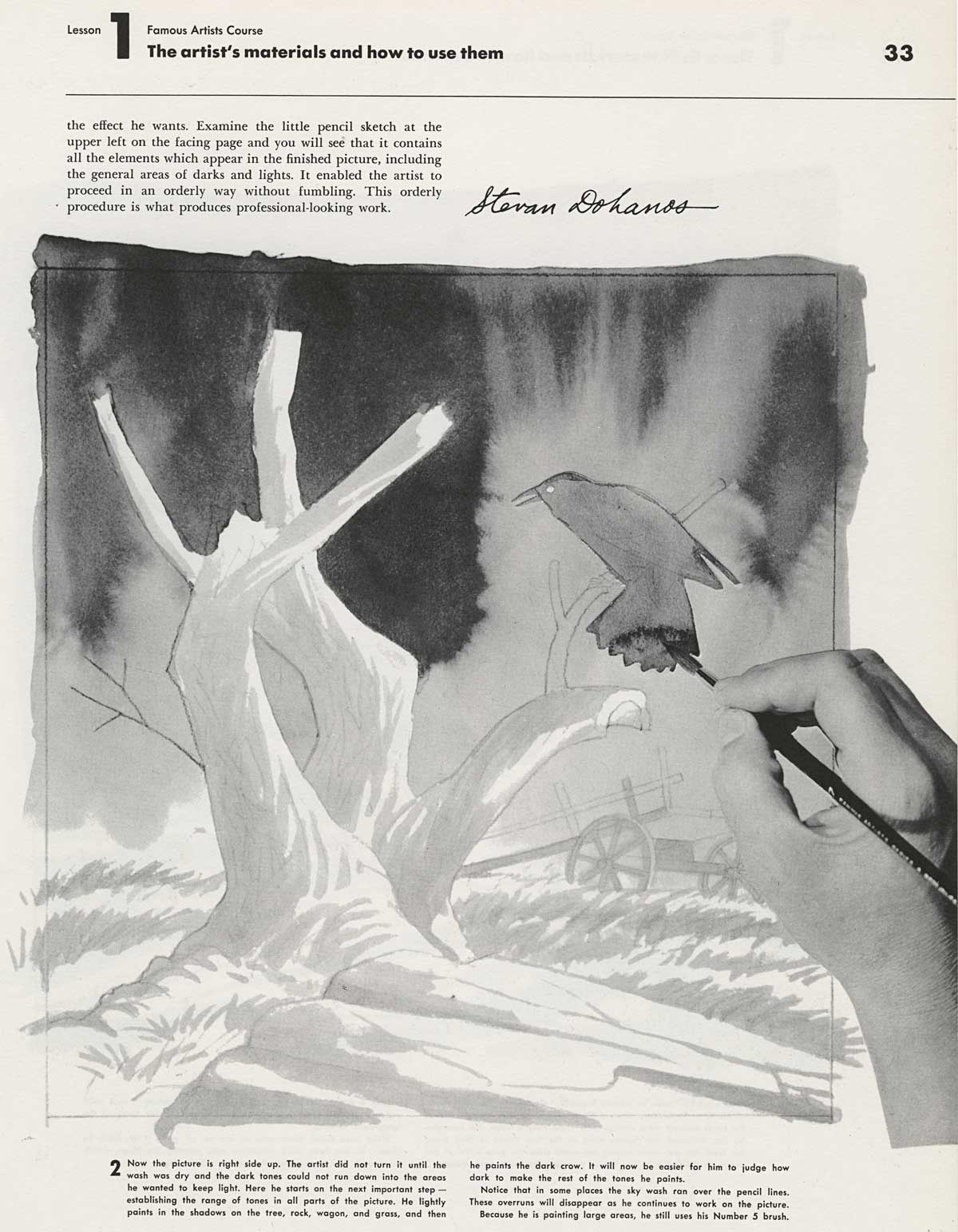
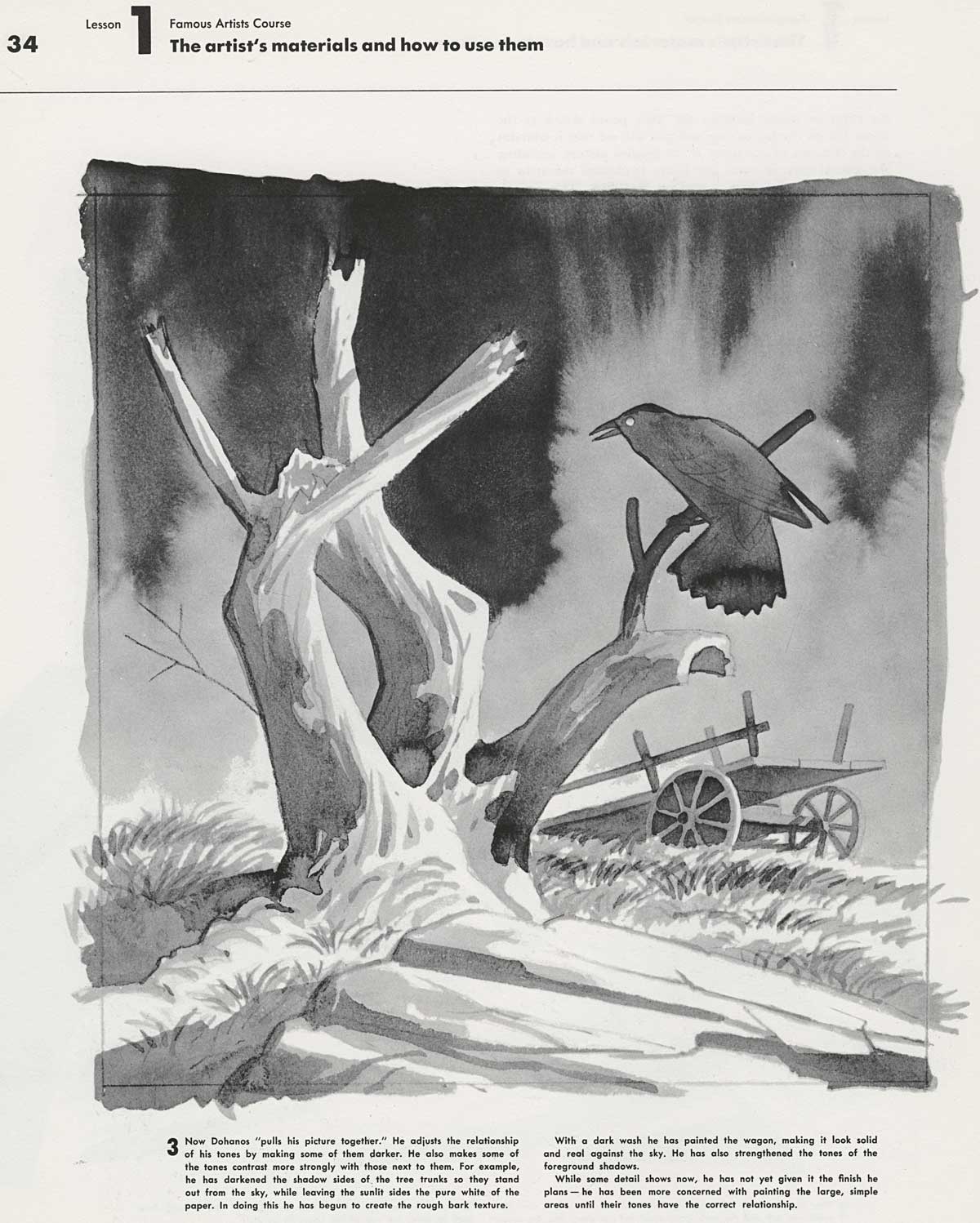
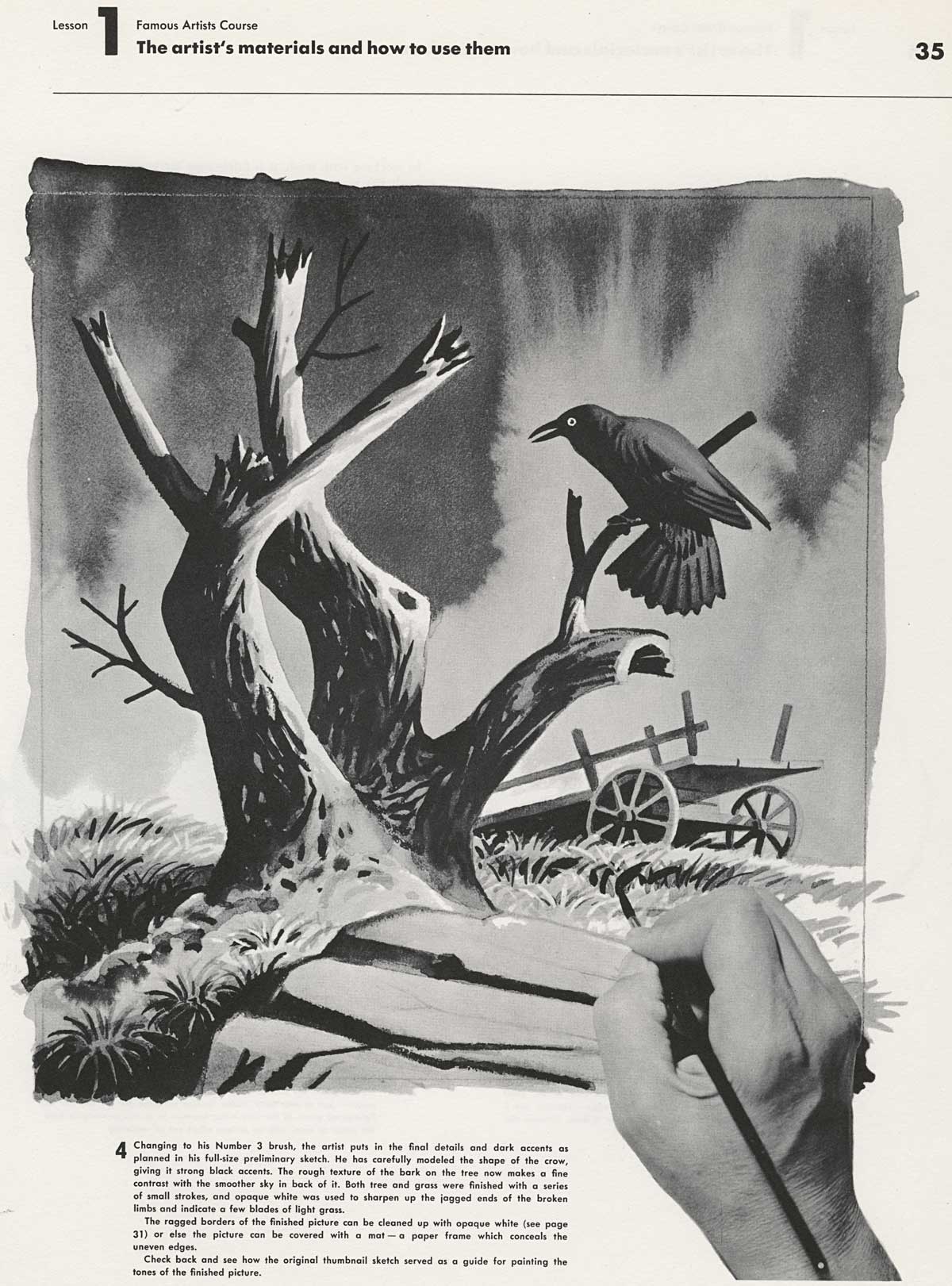
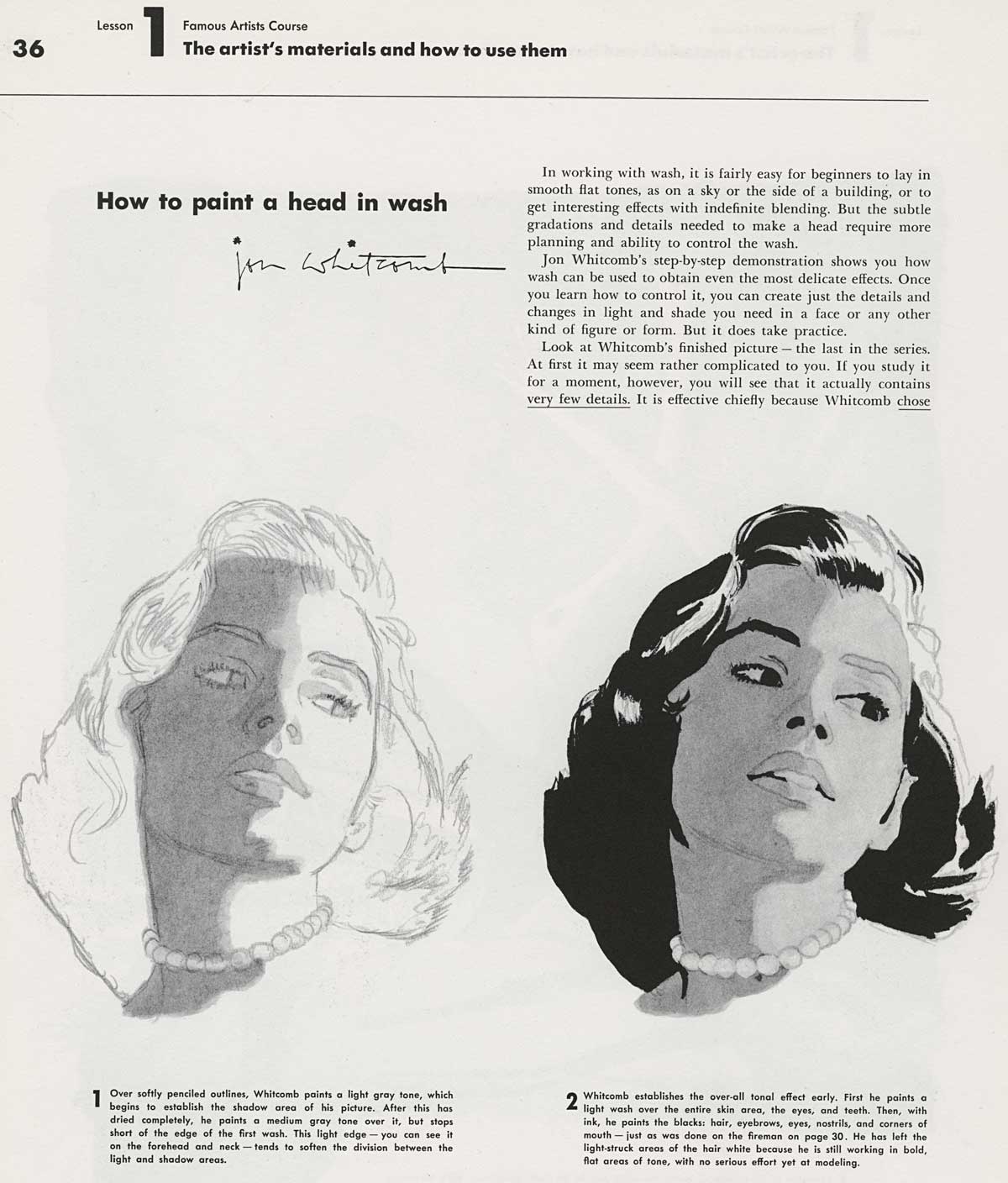


Let me see what you come up with.
Stephen Worth
Director
Animation Resources

This posting is part of an online series of articles dealing with Instruction.
This posting is part of a series of articles comprising an online exhibit spotlighting Illustration.
THIS IS JUST THE TIP OF THE ICEBERG!
Animation Resources has been sharing treasures from the Animation Archive with its members for over a decade. Every other month, our members get access to a downloadable Reference Pack, full of information, inspiration and animation. The RefPacks consist of e-books jam packed with high resolution scans of great art, still framable animated films from around the world, documentaries, podcasts, seminars and MORE! The best part is that all of this material has been selected and curated by our Board of professionals to aid you in your self study. Our goal is to help you be a greater artist. Why wouldn’t you want to be a member of a group like that?
Membership comes in three levels. General Members get access to a bi-monthly Reference Pack as well as a Bonus RefPack from past offerings in the in-between months. We offer a discounted Student Membership for full time students and educators. And if you want to try out being a member, there is a Quarterly Membership that runs for three months.
JOIN TODAY!
https://animationresources.org/membership/levels/
FREE SAMPLES!
Not Convinced Yet? Check out this SAMPLE REFERENCE PACK! It will give you a taste of what Animation Resources members get to download every other month! That’s 560 pages of great high resolution images and nearly an hour of rare animation available to everyone to download for FREE! https://animationresources.org/join-us-sample-reference-pack/


 Animation Resources depends on your contributions to support its projects. Even if you can’t afford to join our group right now, please click the button below to donate whatever you can afford using PayPal.







 by
by 






 In his blog,
 If you don’t have